“Gifts of time and love are surely the basic ingredients of a truly merry Christmas.”
Peg Bracken
If you are a fan of #Christmas365, there is never a letdown after the holidays. This holiday season brought the heartwarming experience of holiday traditions, events, and concerts of nonprofits hosted by their incredible volunteers and staff. How wonderful to know that the gift of Christmas kindness continues throughout the year.
The celebrations sped by like a Santa train – or maybe his firetruck! (Thank you, firefighters!) The Eastern Orthodox Church celebrates Three Kings Day on January 19th this year, which I’m using as an excuse to roll out holiday posts a little longer to applaud so many lovely people and places that made the holiday bright.
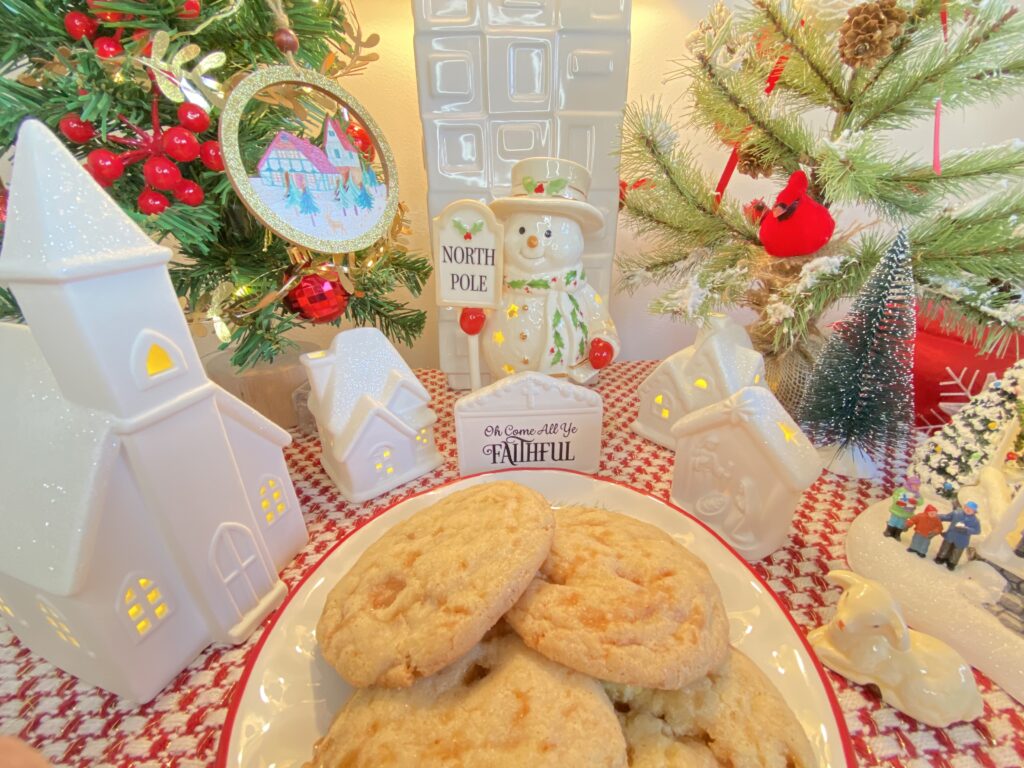
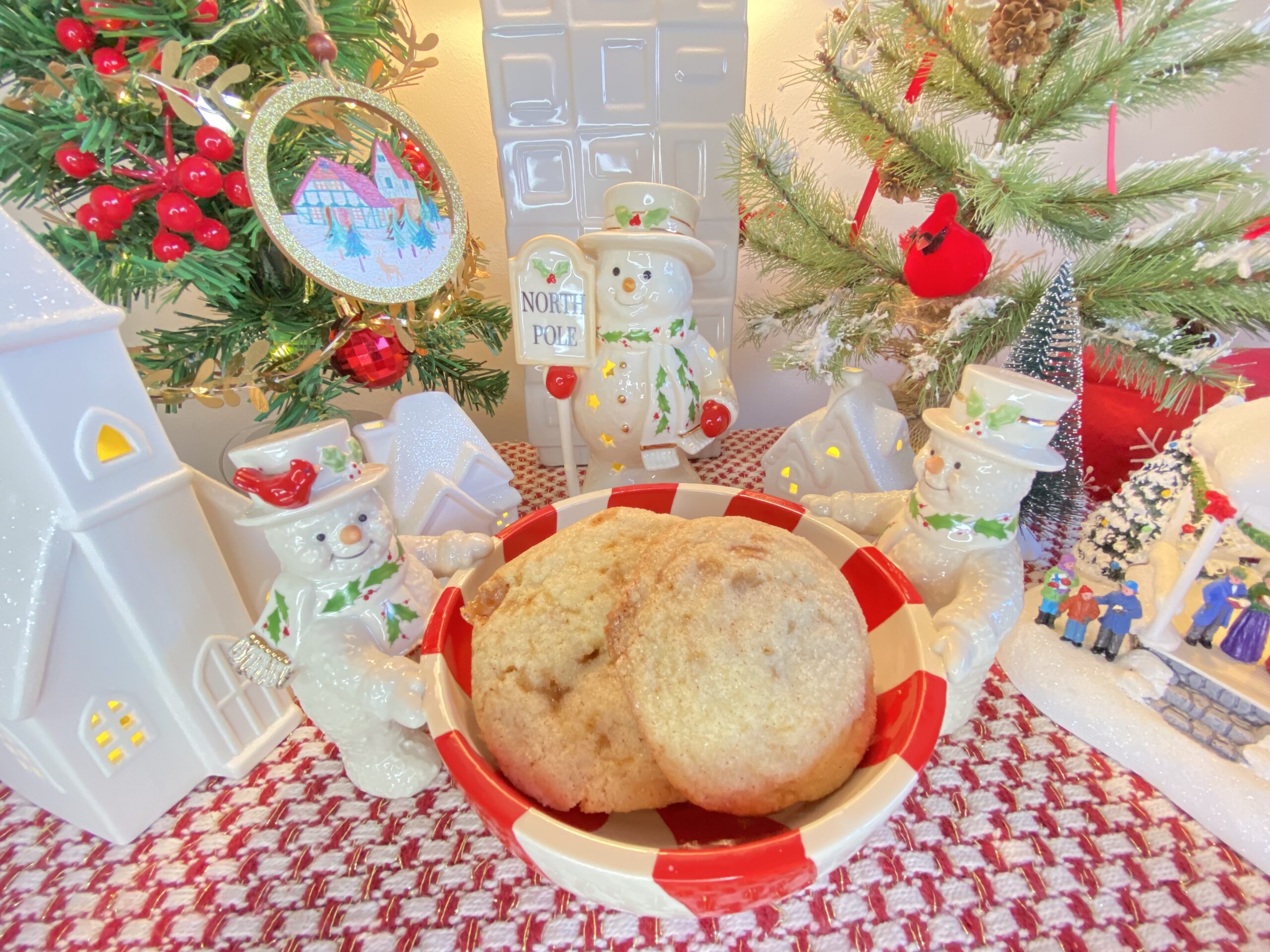
This year’s cookie recipe for the annual holiday thank you is caramel snickerdoodles, which are both a sweet treat and fun to say. (My nickname for them is “dulce de leche cookies,” which is equally delightful. Since there’s no snickerdoodle aisle in the supermarket, for the sheer pleasure of it, enjoy asking, “Does the store carry dulce de leche?”) Regarding “snickerdoodle,” Cheryl’s Cookies notes that term comes from the German “schneckennudeln,” or “snail noodles,” the name for a pasta dish, then a cinnamon roll, and finally for a cookie that traveled with immigrants from Germany to the US in the early 1900’s. Other theories are that the name is from the Dutch snekrad (“wrinkle” or “crinkle”) or from the snipdoodle cinnamon-topped cake of the Pennsylvania Dutch. A final theory is that this is a silly promotional name that bakers created to appeal to children.
The caramel snickerdoodle recipe is via Southern Living, a new addition to the holiday repertoire that went over well. Helpful hints: Place the extra sugar for the cookie coating aside; in one gift batch, I rushed and put the extra into the batter, which resulted in cookies that were too sweet. Crunching the candy caramels in double baggies with a hammer works better than using a rolling pin; it also gets more laughs and a better result than using a food processor. This silliness offers family fun or cookie exchange bonding and may even start a TikTok trend.
Saint Nicholas in the United States is known as Santa Claus, a jovial figure who travels from the North Pole on Christmas Eve to bring gifts to good girls and boys. The writer Washington Irving, remembered at his Sunnyside home in the New York Hudson Valley, introduced “Sancte Claus,” a Dutch patron saint who smoked a pipe, rode in a wagon, and slid down chimneys to deliver gifts to children in “A History of New York” (1809) and extolled Christmas merriment in England in four essays in “The Sketch Book” (1819), known today for “The Legend of Sleepy Hollow” and “Rip Van Winkle”. His essays described celebrations that were nothing like the subdued observances of the American Puritan culture of the time. After returning home, Washington Irving co-founded The Saint Nicholas Society of New York, which moved gift-giving from the European St. Nicholas Day on December 5th or 6th to the 25th to extend the celebration. Washington Irving saw “yuletide gatherings” as cheerful counterbalances to life, later “fine-tuned” by Charles Dickens.
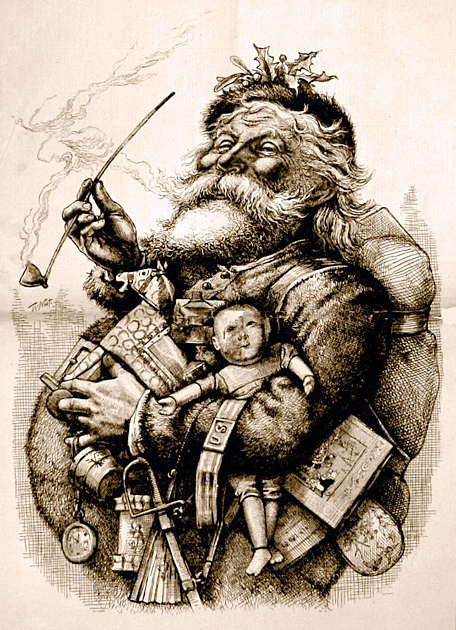
Clement Clarke Moore/Harry Livingston, Jr.’s poem “Twas the Night Before Christmas” (1823, now marking a 200th anniversary) first described St. Nicholas as “jolly” and added reindeer and the drawings of German-American caricaturist Thomas Nast (1862), whose works are at Macculloch Hallin New Jersey, are other artists who changed the image of the more serious Sinterklass of the Dutch in New York City into Santa Claus. (“Sinterklass” became “Sinty Claus,” though our grandfather, born on Christmas Eve in 1897 and whose father was from Ireland, used to say what I thought was “Santy Claus,” perhaps the Gaelic “Sainti” for “Santa” and others may have similar stories from many cultures.)
Thomas Nast’s Santa Claus, originally shared in a political context (Wiki)
Preceding Sinterklass and Father Christmas in England, Scotland, and Ireland was the original Santa figure of Saint Nicholas of Myra, Turkey, (270-343), a real-life Christian bishop with a miter, staff, and vestments who was the patron saint of children and a bringer of gifts, often in secret, which included throwing pouches of gold coins through the windows of those in need. Saint Nicholas Day, which often begins with the bishop’s arrival on a white horse on December 5th or 6th and starts a holiday season that lasts through Three Kings Day, January 6th, in The Netherlands, Belgium, Germany, and France.
At the holidays, many of us have hearts in two places whether with family and friends near and far, two homes, or perhaps between the past and the present. On December 5th, “Mikulas,” I always think of Prague where I had the pleasure of living for a time. I had planned on sharing this year’s recipe “thank you” for St. Nicholas Day or “Mikulas,” but all the elements in the photos came together afterward. Czechs celebrate somewhat like our Halloween with costumes which is a source of great fun and would be lovely to share at another time. What always struck me about Mikulas was that there was such tremendous spirit on one of the darkest nights of winter.
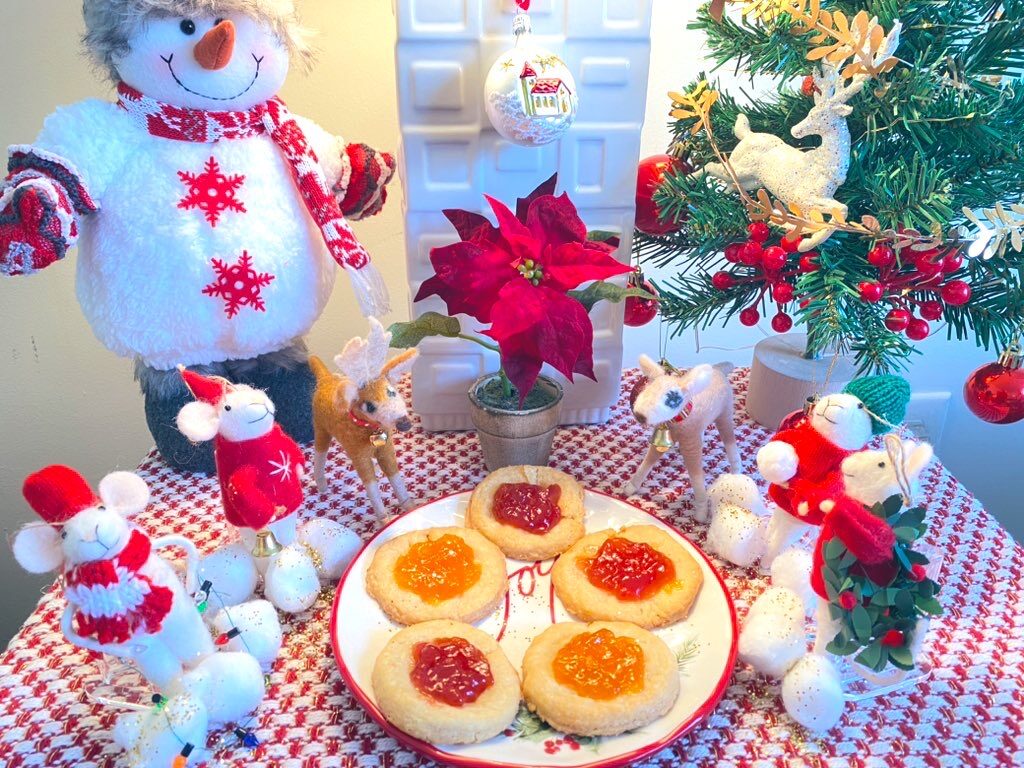
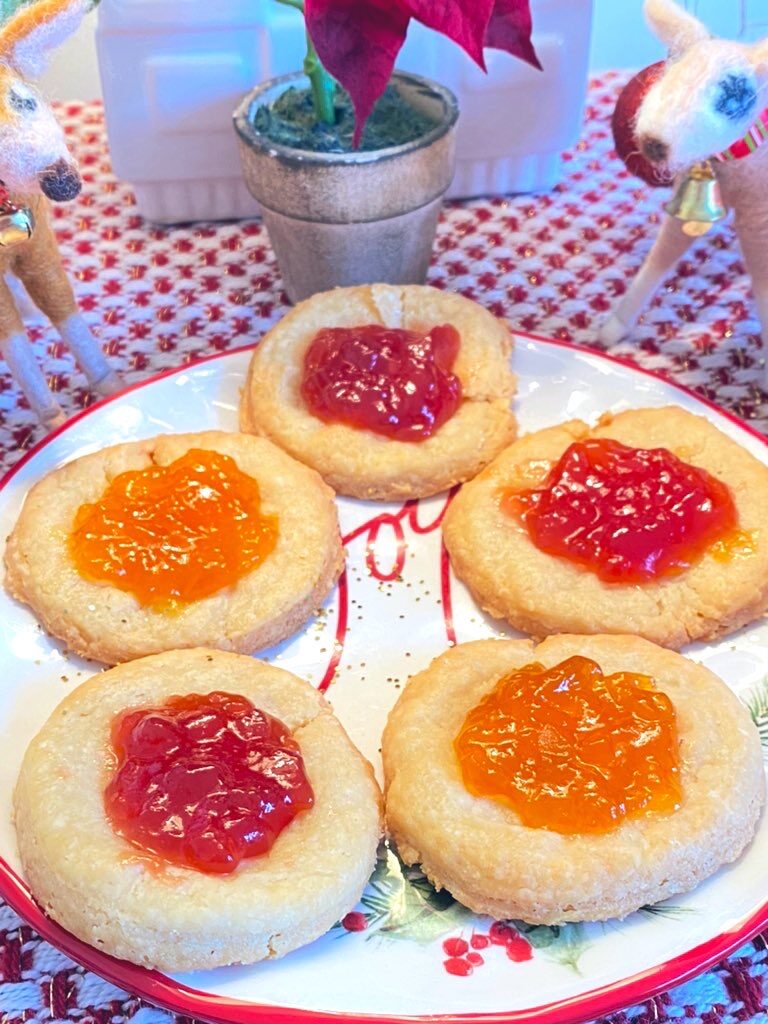
Gift-giving and the family celebration is on Christmas Eve („Štědrý večer,” or “Generous Evening”) after the traditional meal of fish soup, schnitzel or carp, potato salad, and vegetables. (Sometimes, the carp is not eaten, but kept in a bathtub like a pet for the children, which I remember fondly from my early days there.) After dinner, a bell rings to let children (and grown-ups) know that Baby Jesus (Ježíšek) has left their presents under the Christmas tree. Good conversation, Czech fairy tale movies, Christmas cookies, and often midnight mass follow even for the non-religious. Visits with friends and neighbors take place on Christmas Day and the day after. Though kolaches are not associated with Christmas, they are popular everyday pastries that Czechs and visitors alike enjoy year-round. This year’s cookie recipe “thank you” is a spin on those.
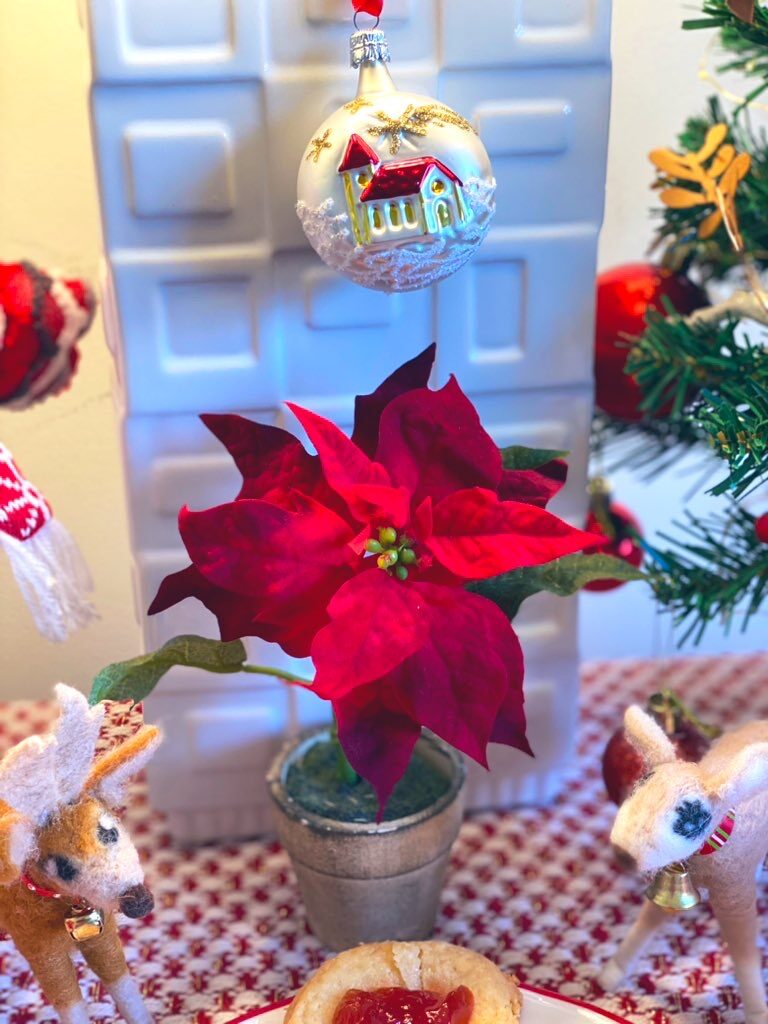
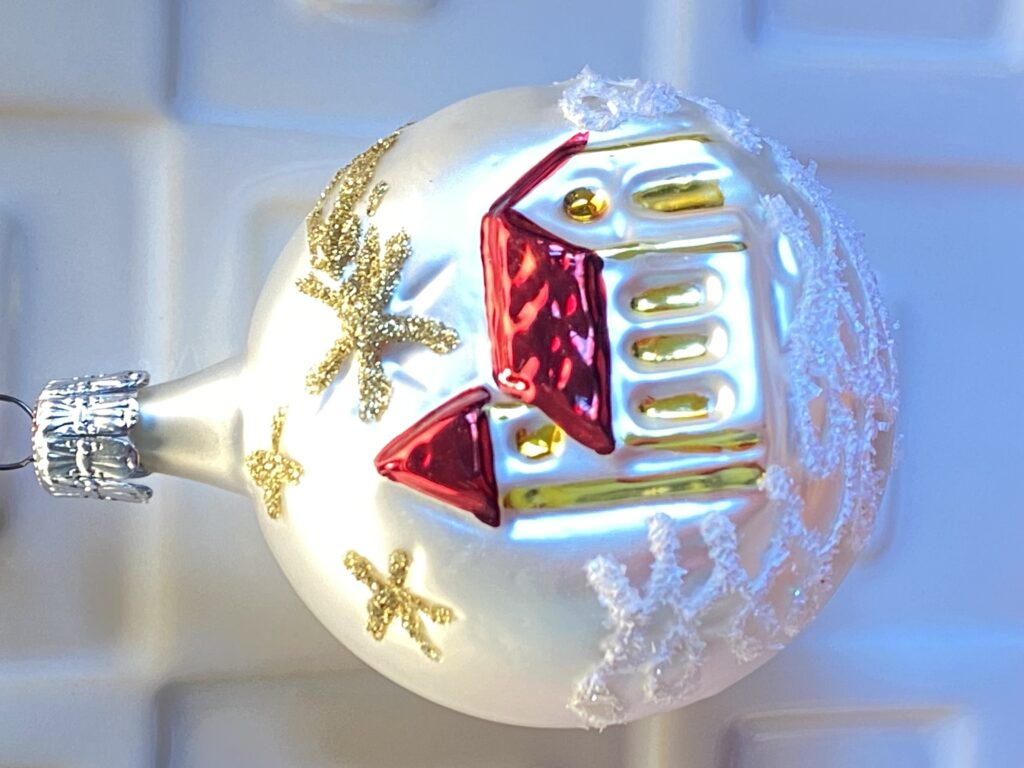
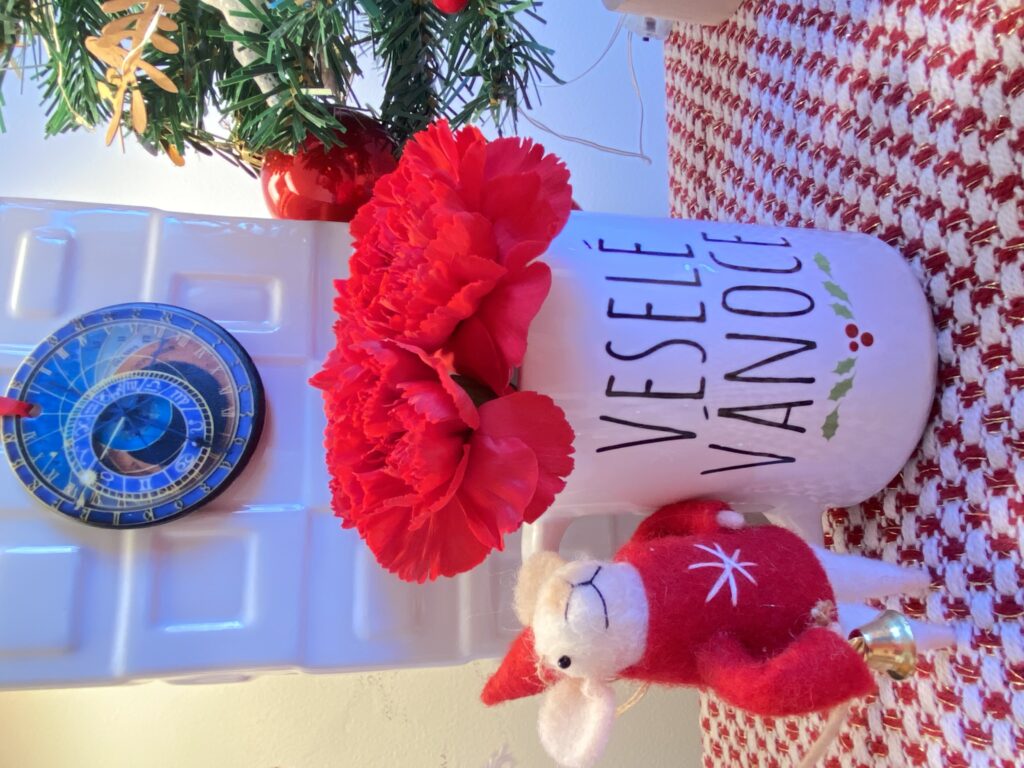
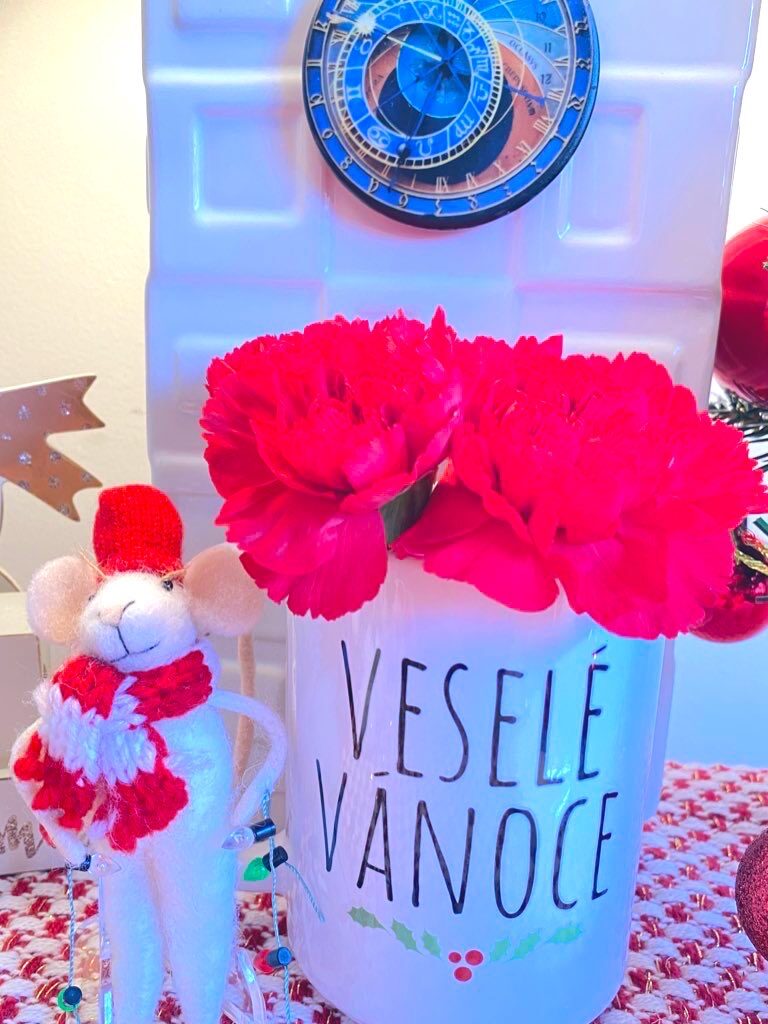
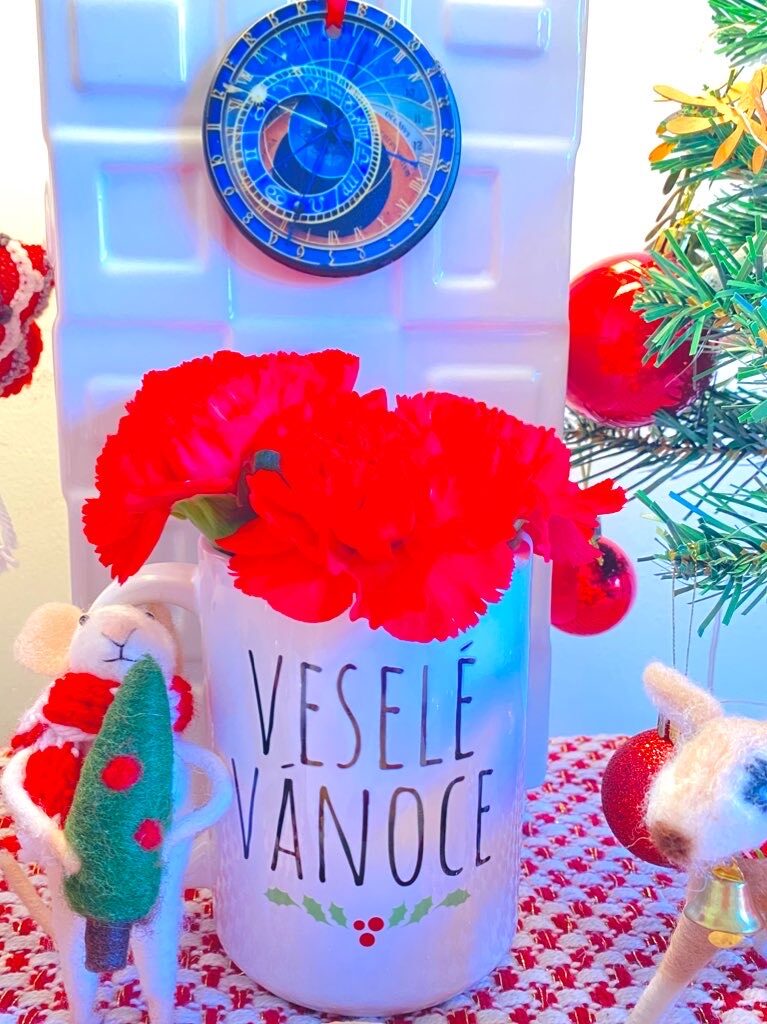
Beautiful, traditional Czech-style glass-blown ornament from Michelle Carr on Esty: Cschelles who sells these at the Prague Christmas Market as well as online. Astronomical clock ornament and “Merry Christmas”
The Czech ornaments I had were long ago given away, much
like the impossibility of keeping a good book to oneself. They were too beautiful not to share, which
Czechs would understand as the work of good writers circulated with
appreciation. To my Czech friends in the
“big village” of Prague, I was and am thinking of you with gratitude.
České ozdoby, které jsem měl, byly dávno rozdány, podobně jako nemožnost nechat si dobrou knihu pro sebe. Byly příliš krásné na to, abychom je nesdíleli, což by Češi chápali jako dílo dobrých spisovatelů, které kolovalo s uznáním. Svým českým přátelům z pražské „velké vesnice“ jsem na vás byl a myslím na vás s vděčností.
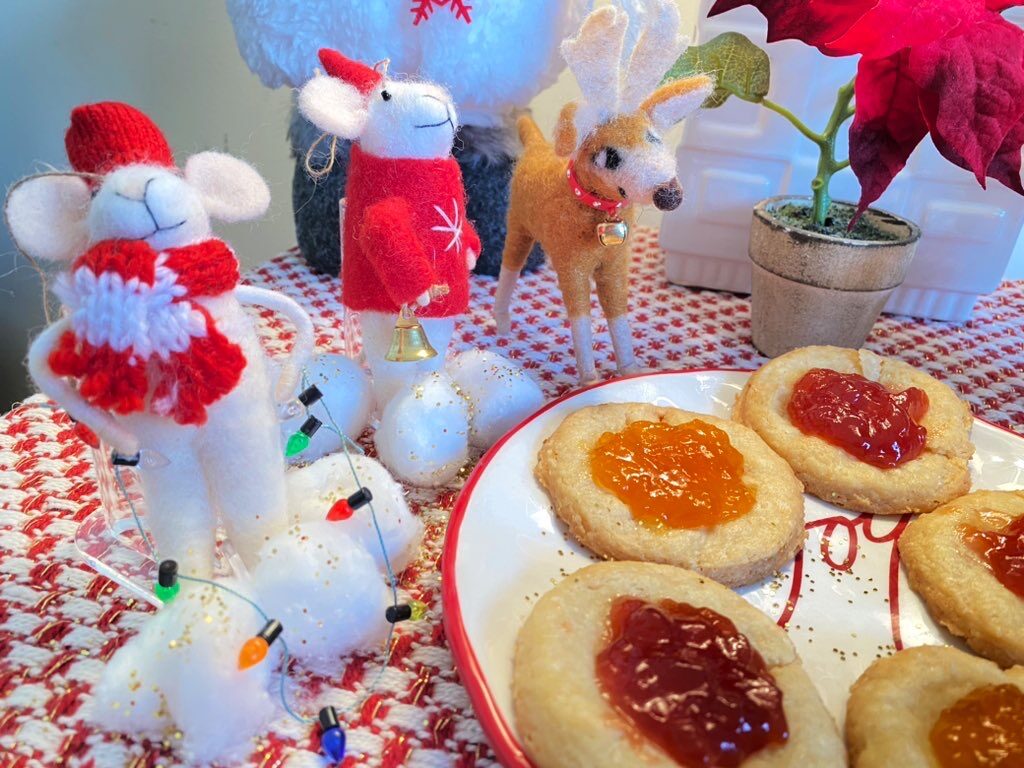
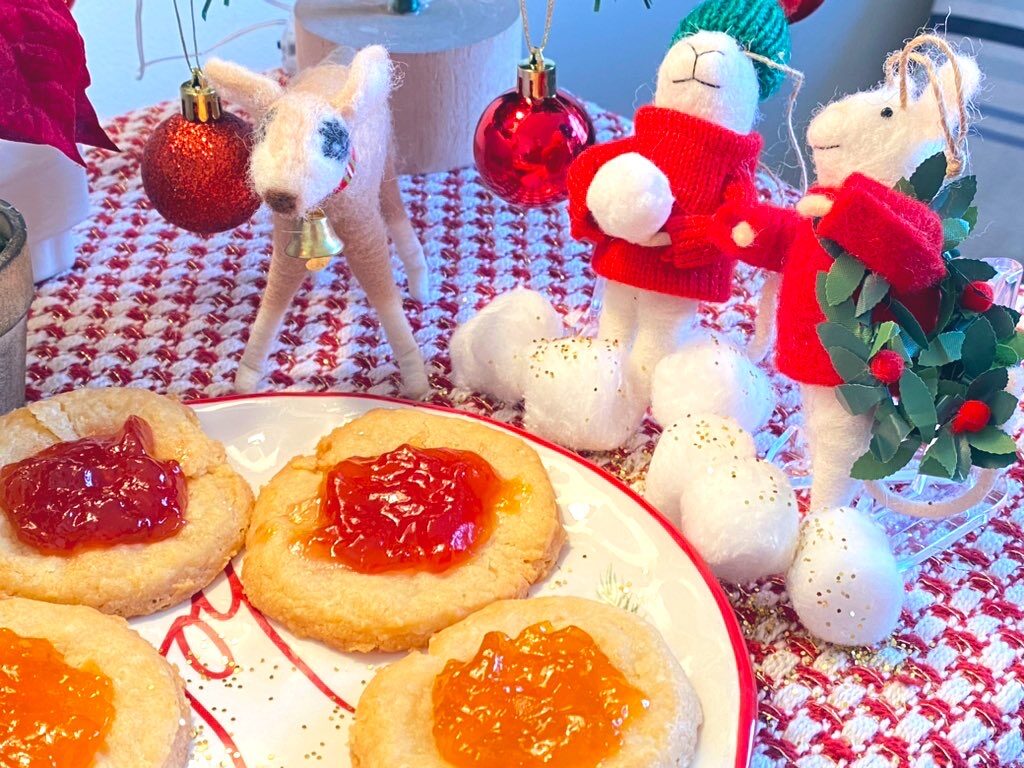
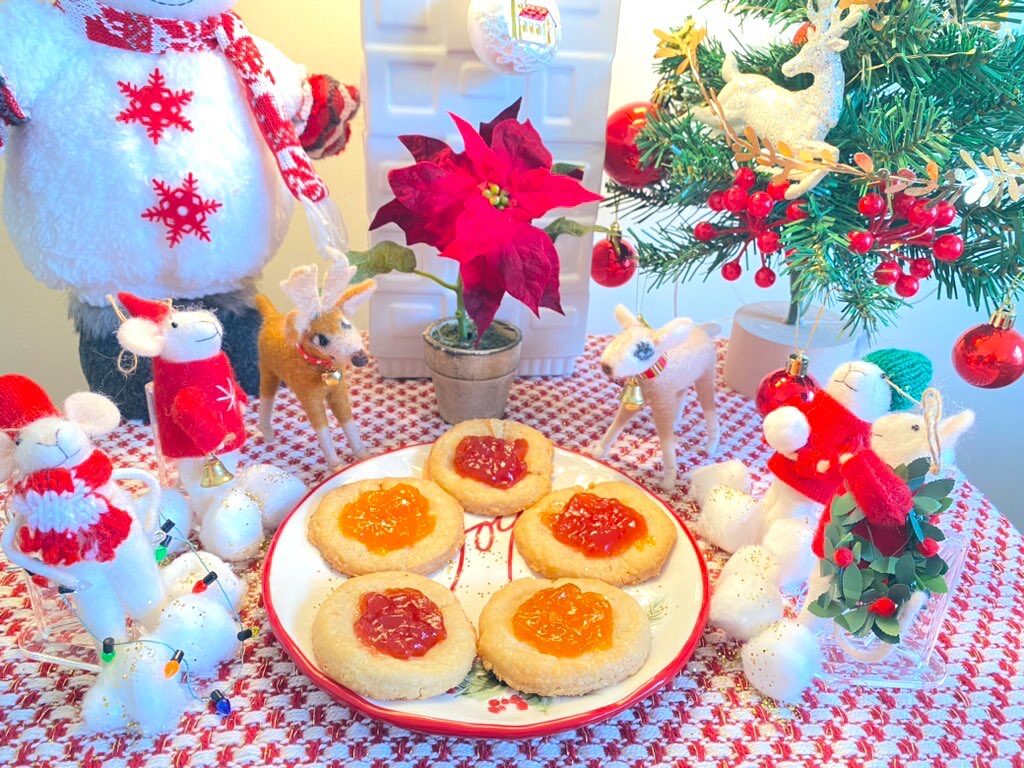
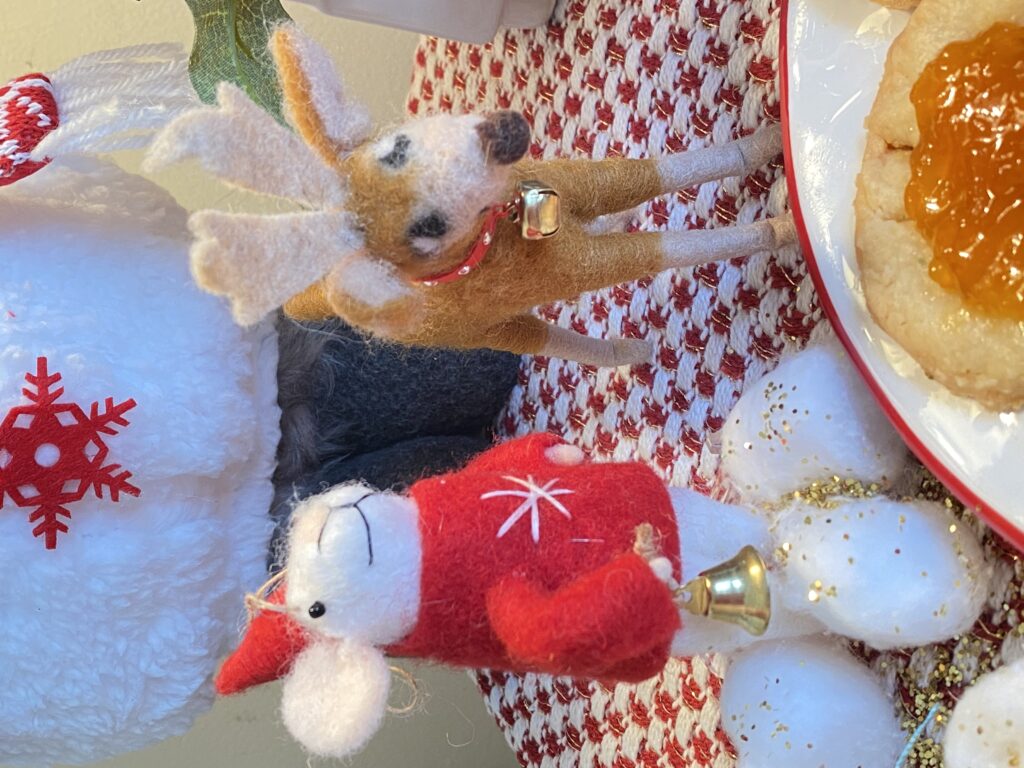
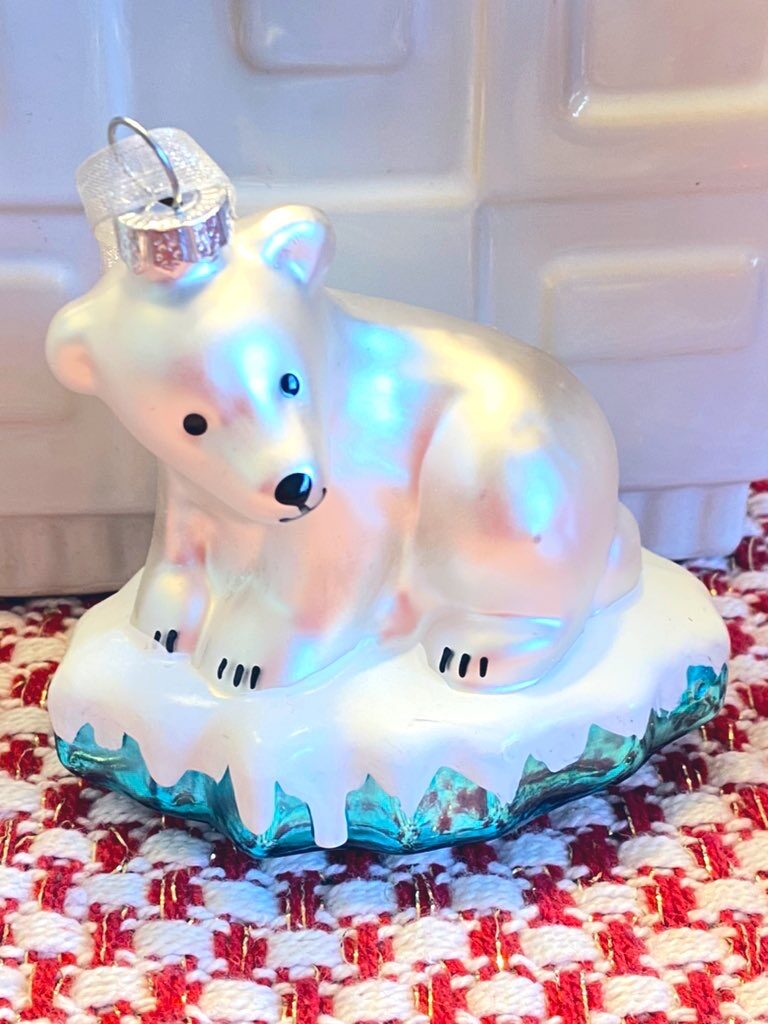
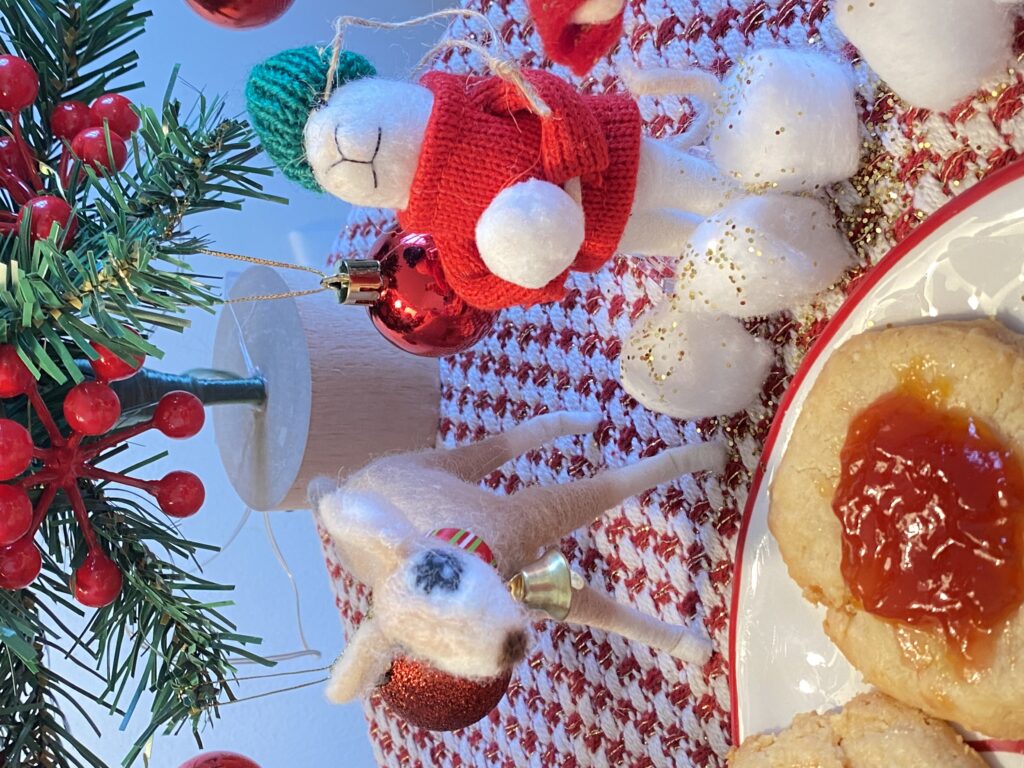
“Bowdoin College” bear from the UK with thanks Ornament from German Christmas market (danke) Charming felt mice are from Juegoal and the friendly snowman is from Acme
Kolachkes from Kelly at thehungrybluebird.com: “Kolachkes are traditional Czech cookies filled with jam, cheese or nuts and dusted with powdered sugar. These kolachkes are popular in Chicago area bakeries and my family’s favorite Christmas-time treat!”
Ingredients
4 sticks unsalted butter softened
6 ounces cream cheese softened
3 cups all-purpose flour sifted
6 tablespoons whipping cream
Confectioners’ sugar for rolling and sprinkling
Jam jelly or preserves of choice
Cream cheese filling optional, recipe follows
Nut filling optional, recipe follows
Instructions
Beat butter and cream cheese in bowl of electric mixer until light. Beat in the flour and cream, alternating the flour and cream, until well mixed. The dough will be very soft. Divide into 4 portions and wrap in plastic wrap. Refrigerate overnight.
Preheat oven to 350º and have ungreased cookie sheets ready.
Sprinkle work surface and rolling pin with powdered sugar. Roll out dough portion to about ¼-inch thickness. The dough is hard to roll at first but then gets easier. If it tears a little in spots, just pinch it back together. Use a small round cutter (2-inch diameter) to cut out cookies and place on baking sheet, about 1 – 2 inches apart.
Make a small depression in the center of each with your fingertip. I used, and prefer, the bottom of a shot glass which I dipped in powdered sugar so it wouldn’t stick. Works better for me than with my fingertip. Fill cookies scantily with jam, jelly, preserves, cheese or nut filling. If you use too much filling, it will run out onto the baking sheet.
Bake until bottoms are lightly browned, about 12 – 15 minutes. Cool on wire rack and sprinkle generously with powdered sugar while still warm.
Notes: Cheese Filling: Beat together 1 (8-ounce) package softened cream cheese, 1 egg yolk, ½ cup powdered sugar and 1 teaspoon vanilla until well mixed and smooth. Nut Filling: Cook 1 cup coarsely ground walnuts in 2 tablespoons unsalted butter, ⅓ cup granulated sugar and 1 teaspoon vanilla until the nuts turn golden. Let cool. Makes 7 to 8 dozen, recipe can be halved.
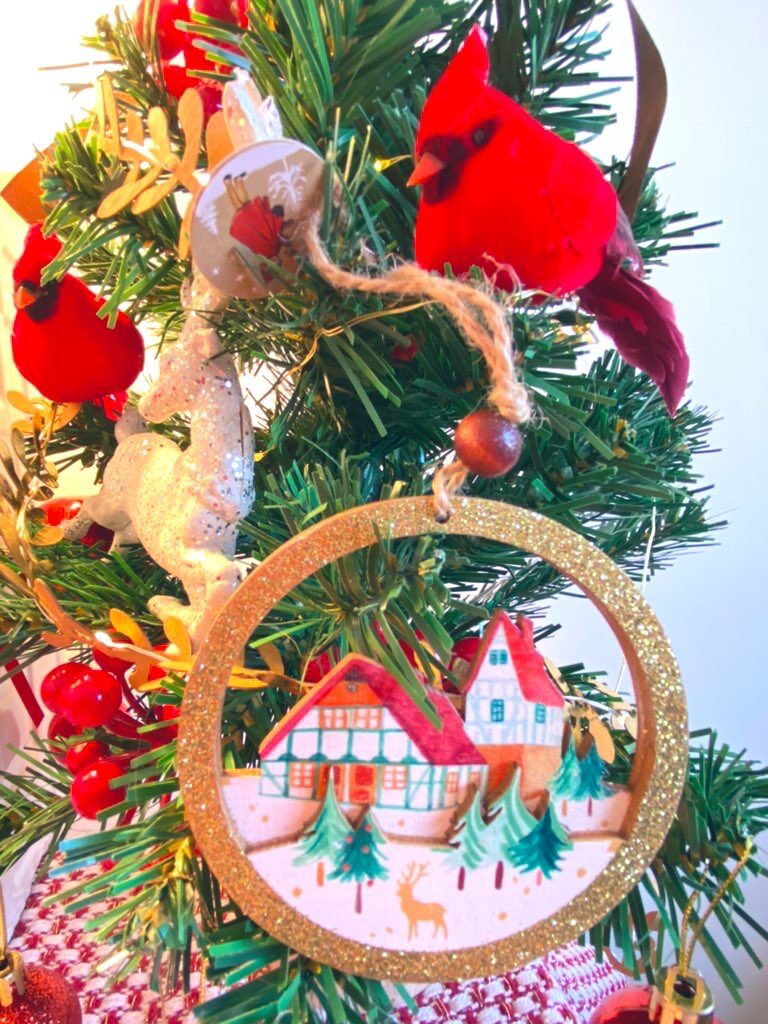
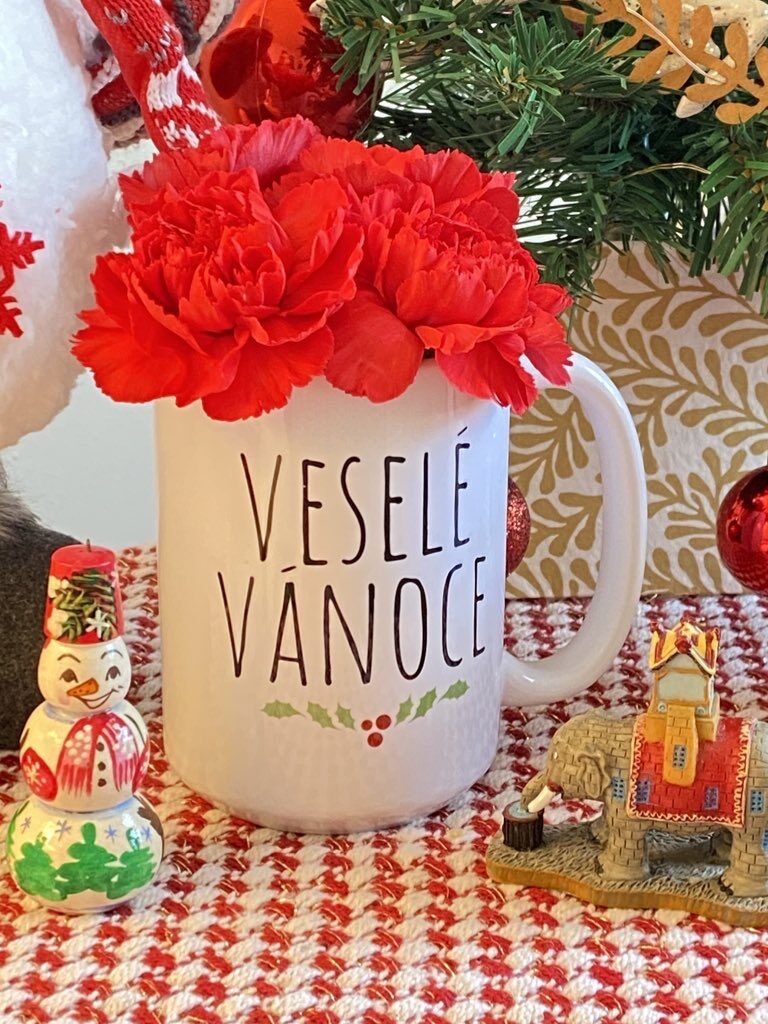
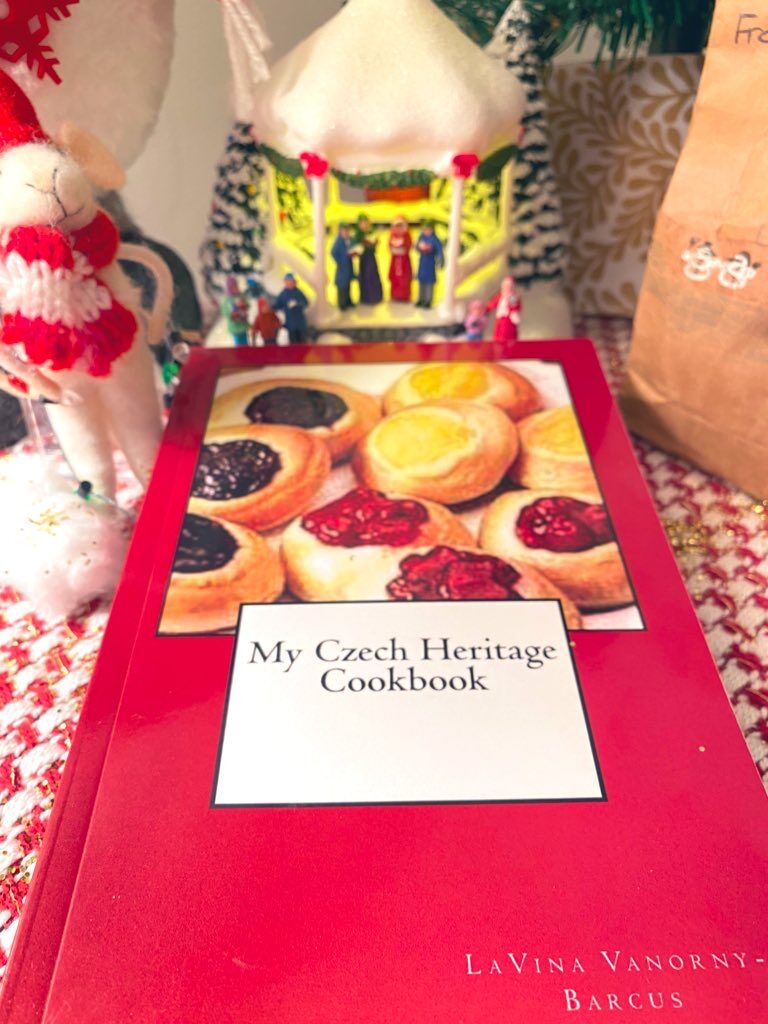
East meets West: Wooden ornament (via Murdough’s Christmas Shop, Stone Harbor) and Lucy the Elephant (lucytheelephant.org), Margate; mug is from GoodStuffGifts on Etsy. Delightful reminiscing and wonderful recipes by LaVina Vanorny-Barcus (Amazon); caroler decoration from Ye Olde Yardley Florist, and tea bag gift (dekuji)