Writing New Jersey Life

People and places of New Jersey…with some travels.

Category: Gardening

Hildene: Robert Lincoln and His Family

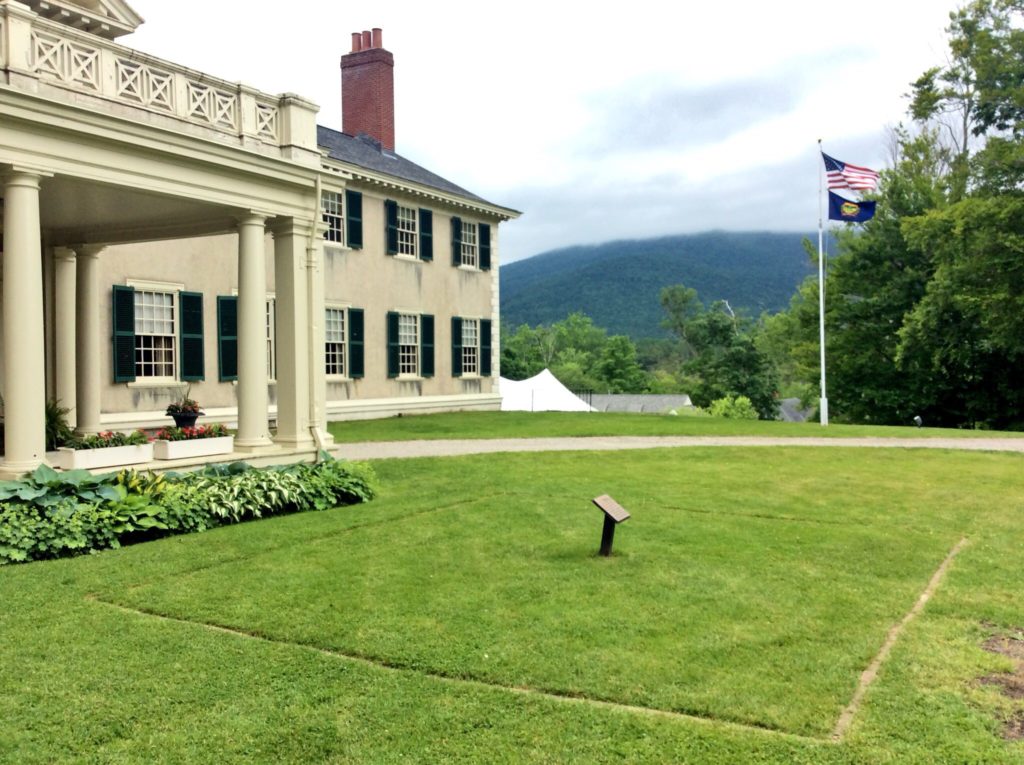
Hildene Mansion entrance with brick outline of the log cabin of Abraham Lincoln’s birth

“Hill” and “Dene (Valley)” Old English Thesaurus

Tucked away in beautiful Manchester, Vermont is Hildene, the family home of Robert Todd Lincoln, 1843-1926. The only child of Mary Todd and Abraham Lincoln to live to adulthood, Robert distinguished himself as the Secretary of War for two presidents, a Minister to Great Britain, and the general counsel, president, and chairman of Pullman Railroad which made the fortune that created Hildene. Robert also served in the Civil War on the staff of General Ulysses S. Grant and was present at General Robert E. Lee’s surrender at Appomattox. Happily married to Mary Harlan, daughter of a US Senator, he had three children, and the atmosphere of the house reflects their harmony.

The quote most commonly attributed to the reserved Robert about his famous father is a regretful one, “During my childhood and early youth he was almost constantly away from home, attending courts or making political speeches. In 1859, when I was 16 … I went to New Hampshire to school and afterward to Harvard College, and he became president. Henceforth any great intimacy between us became impossible….” Visitors can see, however, the love for his father, even before they enter what Robert called “the family’s ancestral home” that harkens back to their English roots. A 12 by 17 feet (3.6 x 5.1 meter) outline of the Kentucky cabin where his father was born is directly in front of the entrance of the impressive 1905 Georgian Revival mansion, which along with the United States and Vermont flags signals to visitors that they are crossing a threshold of both history and the American Dream.
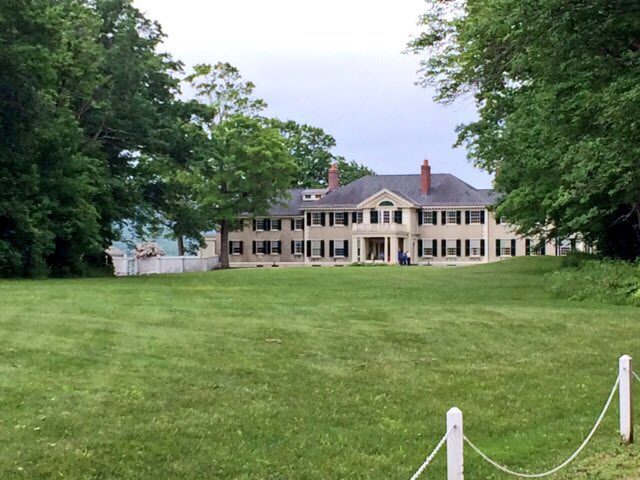
Full view of Hildene Mansion

The Lincoln family’s Manchester connection predates Hildene. Mary Todd, Robert, and brother Tad had spent part of the summers of 1863 and 1864 at the nearby historic Equinox Hotel to escape the heat of Washington, DC and the Civil War, where reportedly a special suite was created for a presidential stay the for the next summer. Robert later frequented the hotel’s golf course, playing on occasion with President Taft, also a guest at Hildene.

The Gilded Age mansion’s stunning floral arrangements created by volunteers and the personal touches: photos, letters, personal items, books, and teddy bears give Hildene the warmth of a lived-in home. Of the 24 rooms, 17 are open so there is a great deal to see. Some furnishings are former possessions of Mary Todd Lincoln’s family and almost everything is original to the house.  A happy family lived here, and the dedicated staff and volunteers have conveyed that with thoughtful detail. The soundtrack to the visit is a rare and wonderful one with the music of a “1,000 pipe Aeolian organ”.
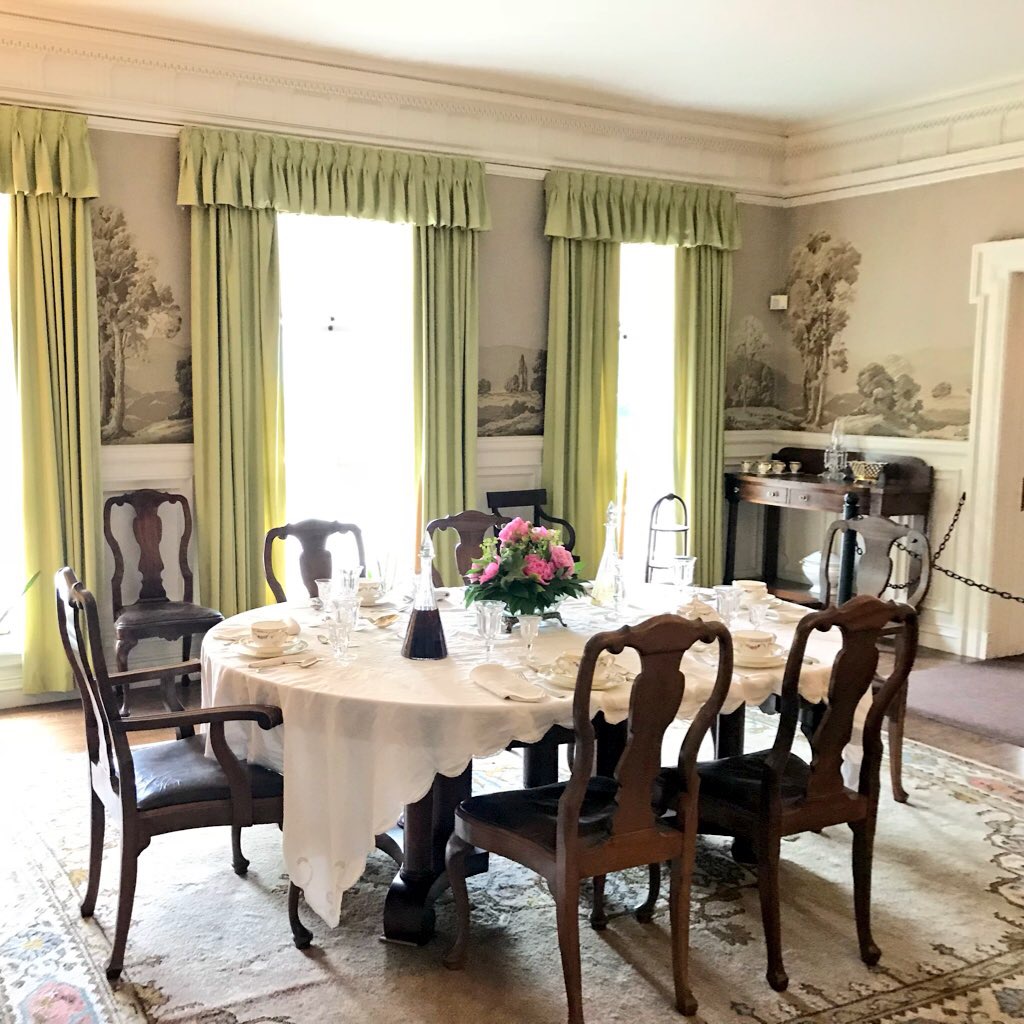
Family dining room
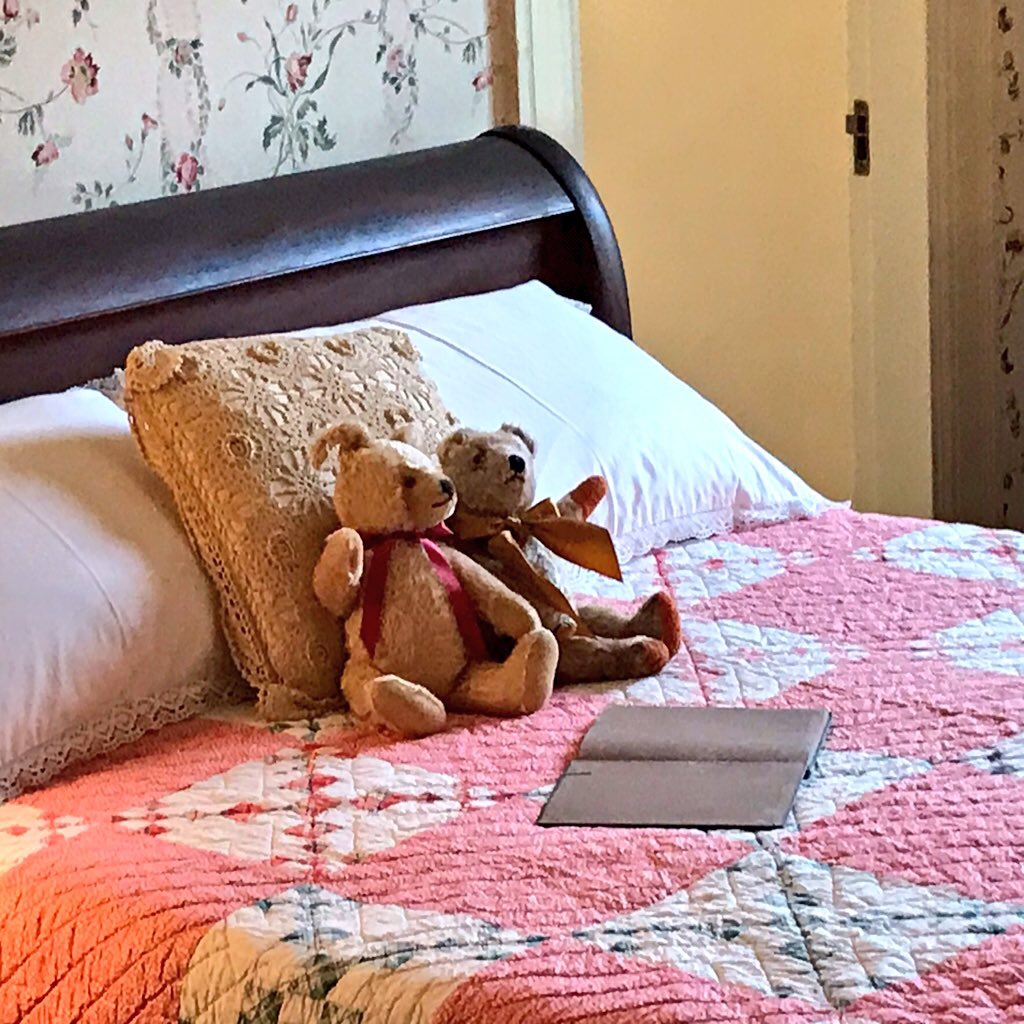
Child’s bedroom
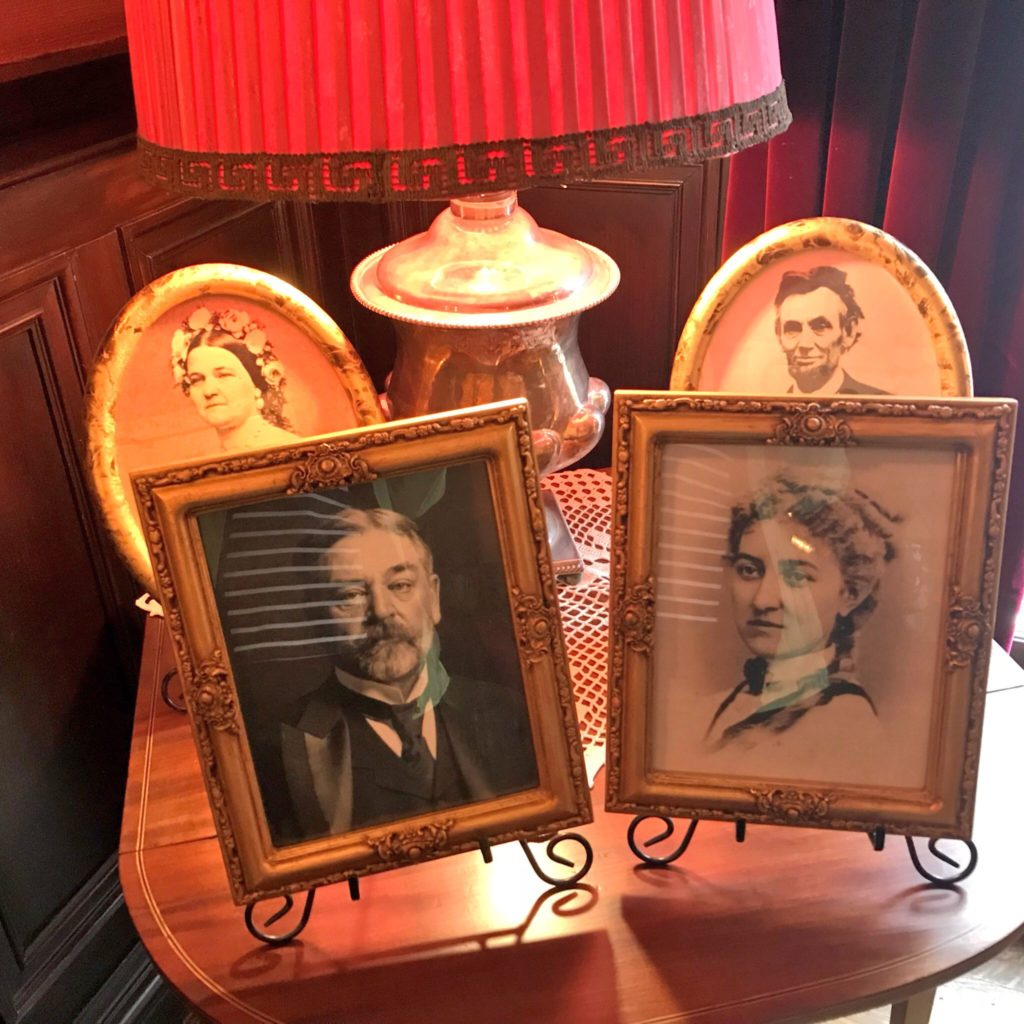
Robert, his wife Mary, and his parents
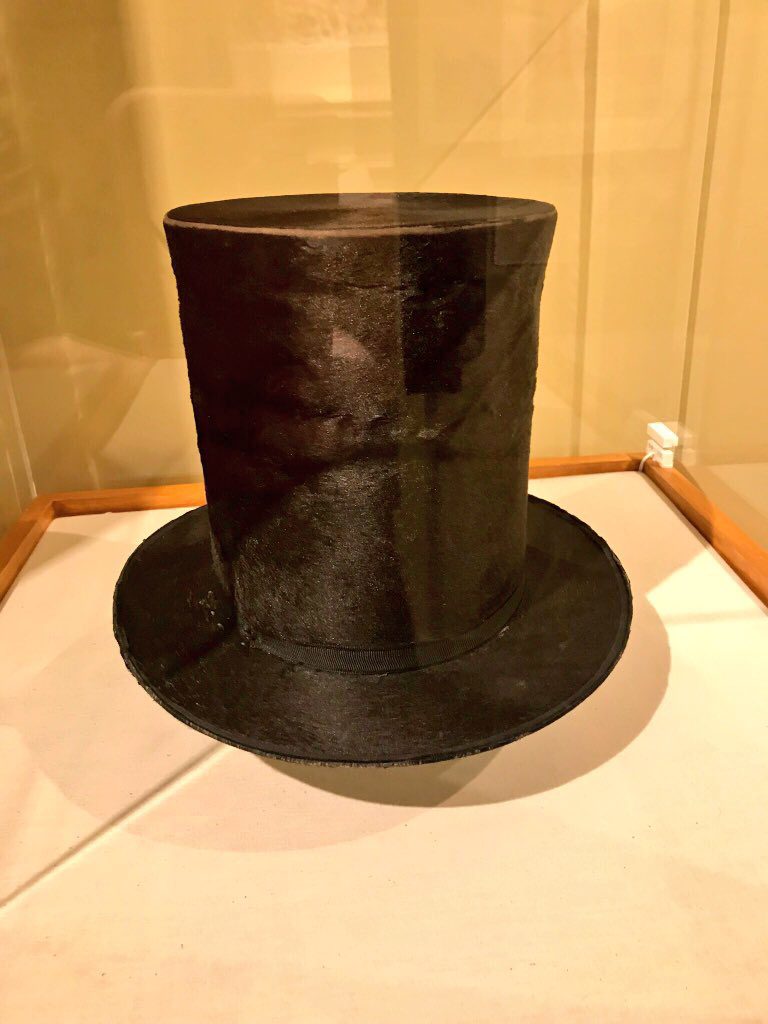
President Lincoln’s stovepipe hat

A compelling and unexpected aspect of the visit to Hildene is an archival room dedicated to President Lincoln’s presidency “The American Ideal: Abraham Lincoln and the Second Inaugural”. President Lincoln addressed accountability and healing at the end of the Civil War so that the country might go forward.  Some items on display are his stovepipe hat, Ford Theatre photos, a draft of the Emancipation Proclamation and a related diary entry of Lincoln secretary John Hay.  The experience is like looking into the soul of a man and a nation.  After viewing the exhibits, without exchanging words my friend and I both sat down on the room’s bench in silent reflection. Other archival material is available at the Charles Woodberry McLellan Collection of Lincolniana at Brown University, preserved in memory of graduate John Hay, for those who are interested.

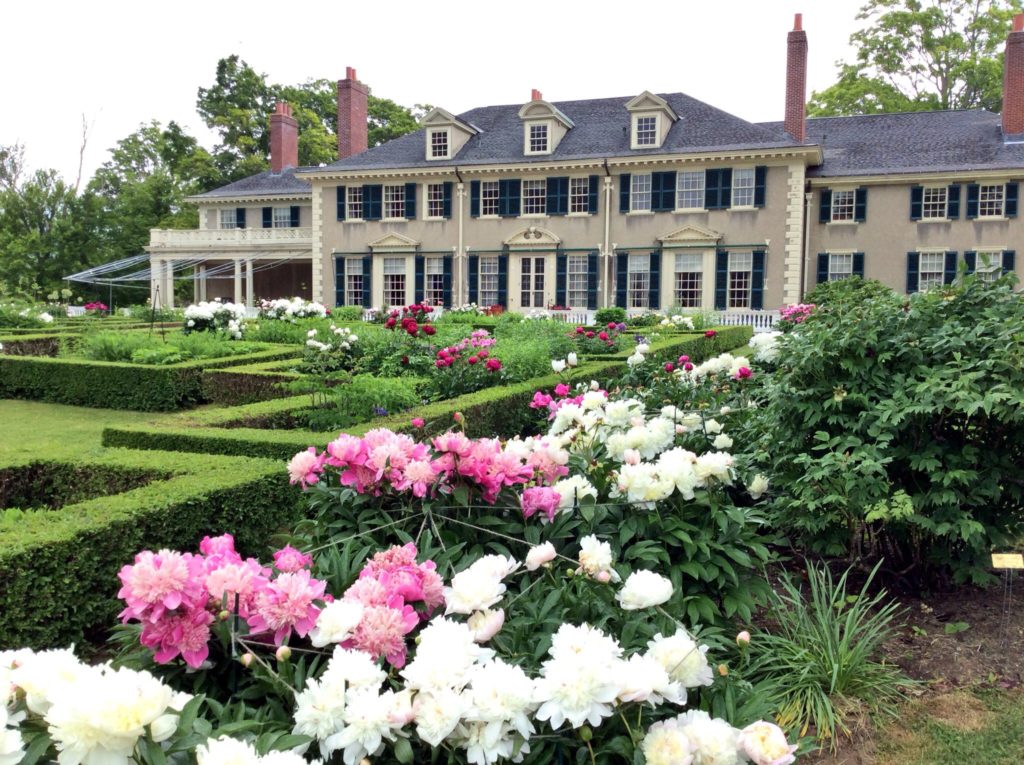
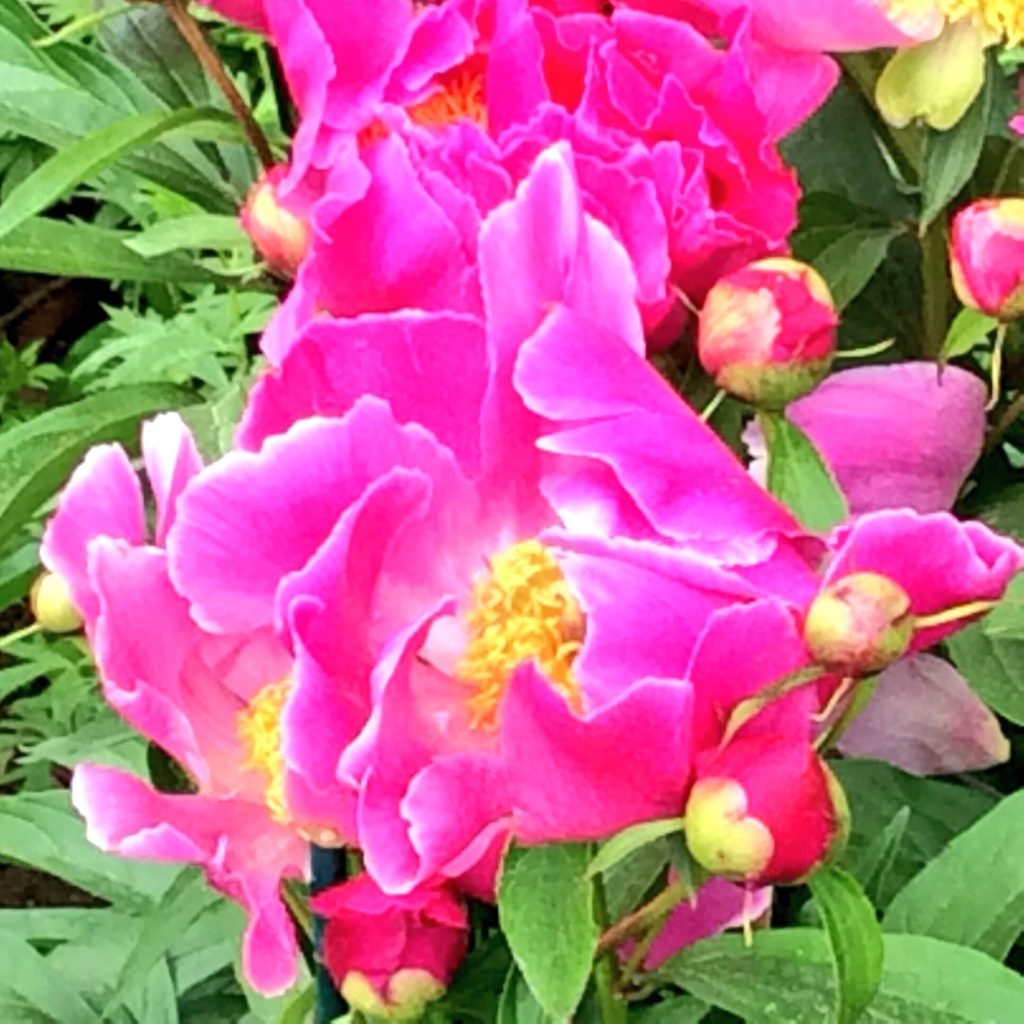
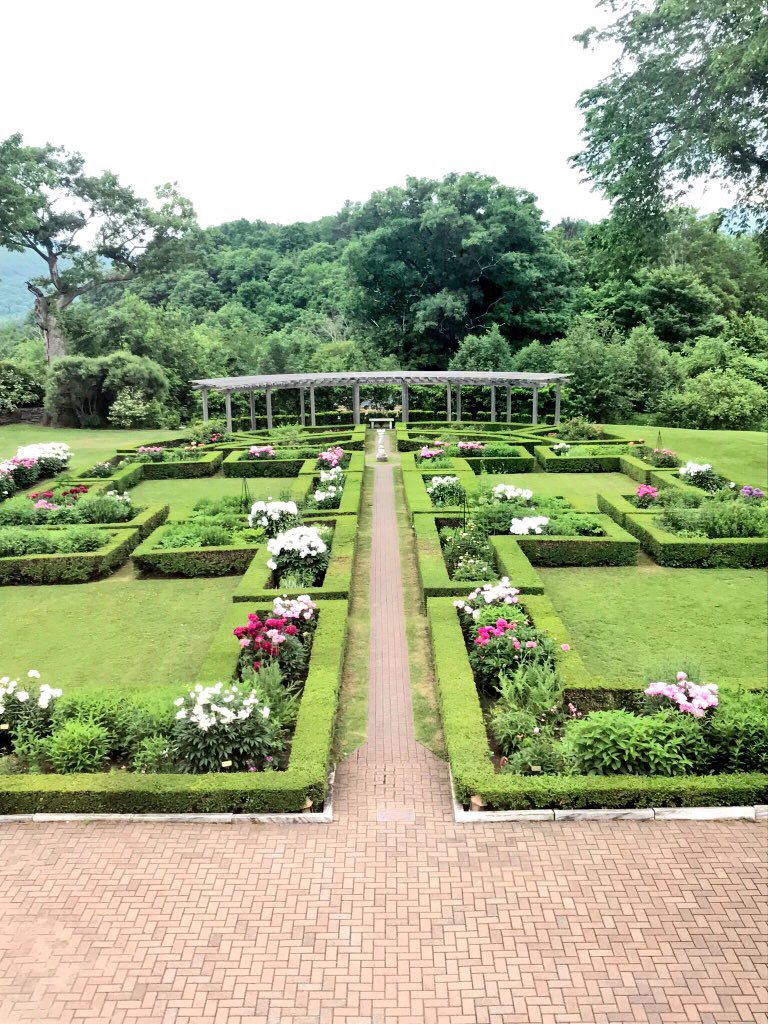
The mansion with its history and charm are only part of the Hildene visit. Beyond the splendid French parterre garden is a jaw-dropping view of the Battenkill Valley.  Frederick Todd, an apprentice of Frederick Law Olmsted of Central Park renown, planned the Hoyt Formal Garden “to resemble a stained-glass Romanesque cathedral window” according to the design of daughter Jessie Lincoln as a surprise for her mother. Peonies are a garden highlight with more than 1,000 blooming in mid-June. In the front of the house, the observatory, though not large, has a remarkable and restored refracting telescope, state-of-the-art in Robert’s day, which enabled the stargazer and fellow astronomy enthusiasts to take advantage of fine hilltop views in a clear night sky.
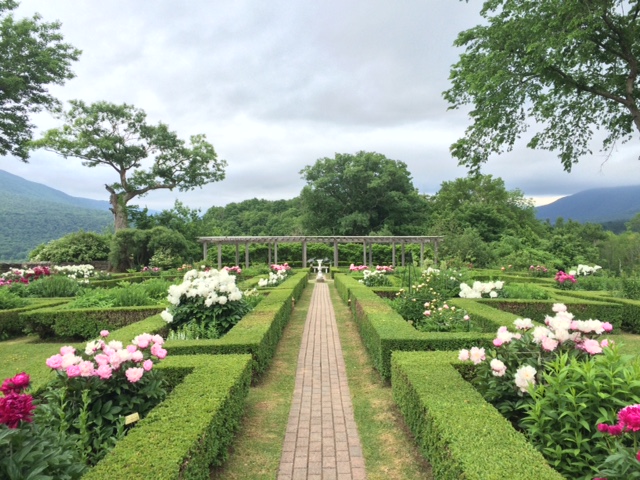
Hoyt Formal Garden with peonies in full bloom and the dramatic Battenkill Valley backdrop
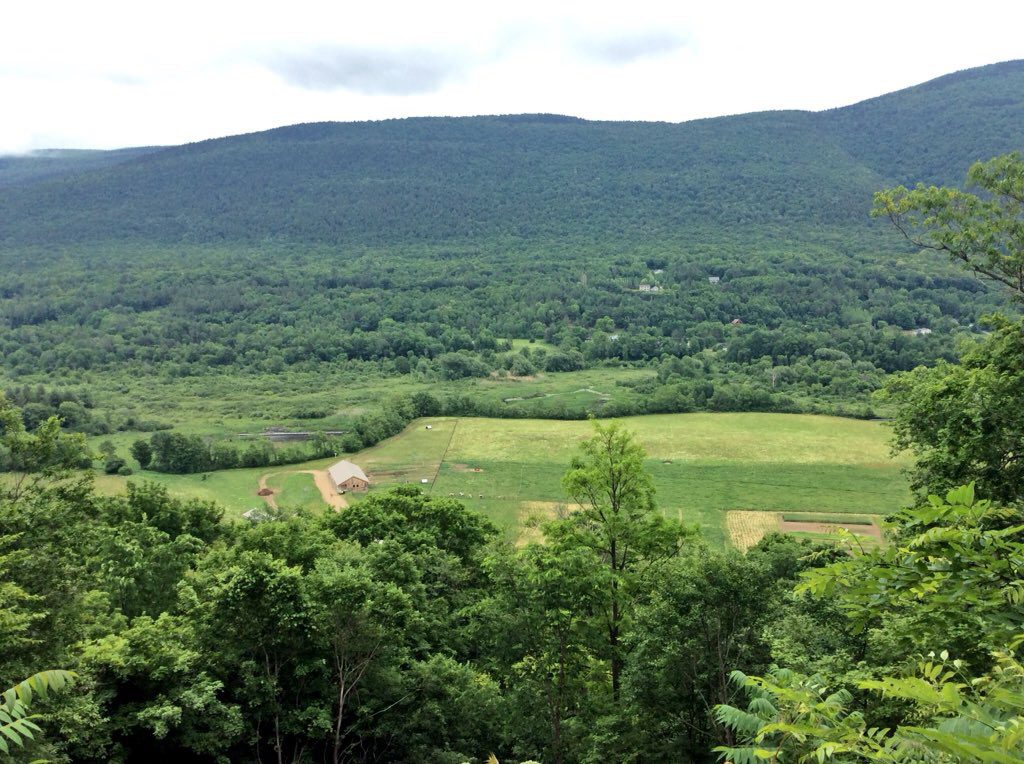
Partial view of Battenkill Valley
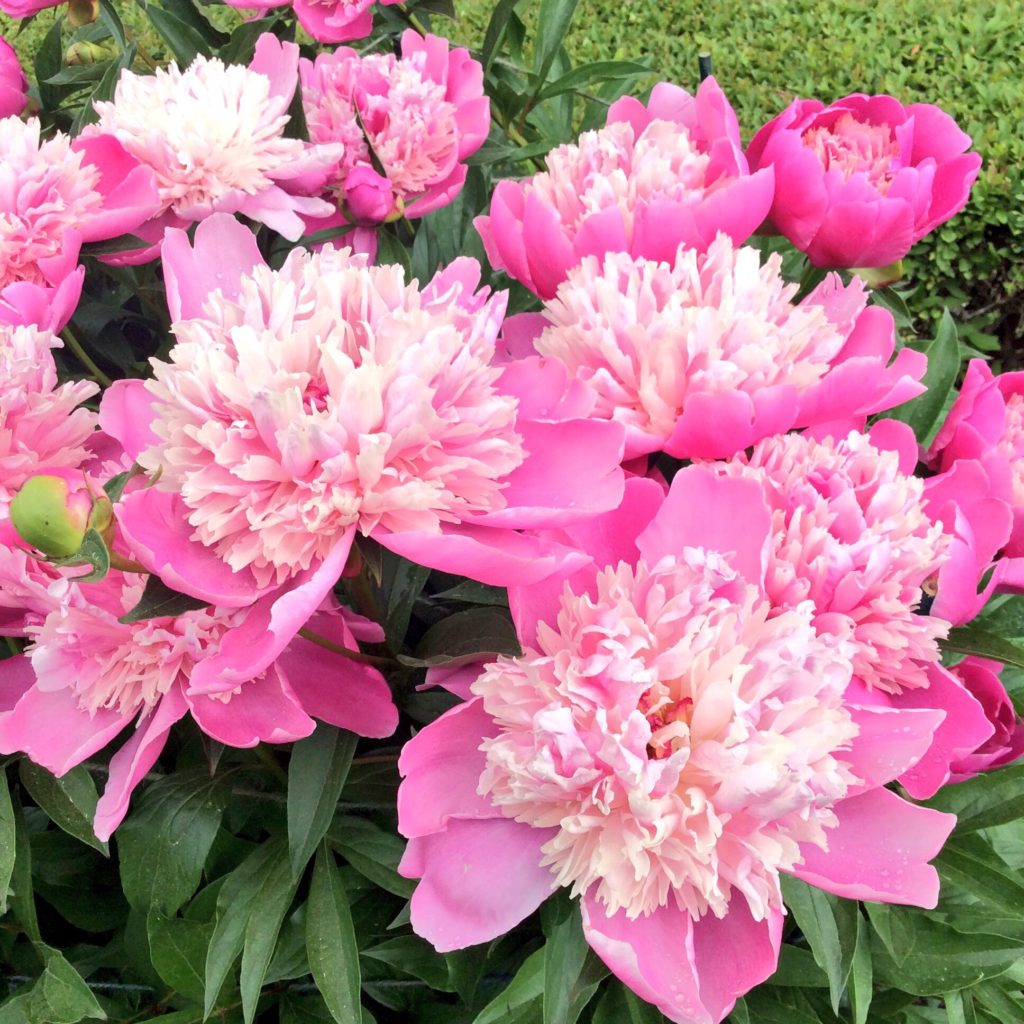
Hildene peonies

The welcome Vermont respite of Hildene was a true getaway for the Lincoln family who left their Chicago home base and sometimes stayed for as long as eight months, and it was here that Robert passed away on July 26, 1926. Of Robert, his loving wife Mary wrote that he “was a personage, made his own history, independently (underlined 5 times) of his great father, and should have his own place ‘in the sun.'” This quote is from a request for his burial in Arlington National Cemetery where both she and their son Jack, Abraham Lincoln II, who died at 16, were laid to rest. Robert’s last public appearance was on his father’s behalf in 1926 at the dedication of the Lincoln Memorial where both the Second Inaugural Address and the Gettysburg Address are inscribed.

The last Lincoln family member to reside at Hildene was Robert’s granddaughter Peggy Beckwith who made the estate more self-sufficient, which one can see today with the goat and cheese-making farm. The 412-acre estate, which still retains its original cutting and kitchen garden, is ideally situated between the Green Mountains and Taconic Mountains.  In addition to the farm, Hildene offers wonderful hiking trails for those who wish to enjoy nature along with history. The house reflects the different periods of residence, Peggy’s, upstairs, and Robert’s, downstairs. After Peggy’s death in 1975 and a pending sale to developers, The Friends of Hildene fought to save the estate.
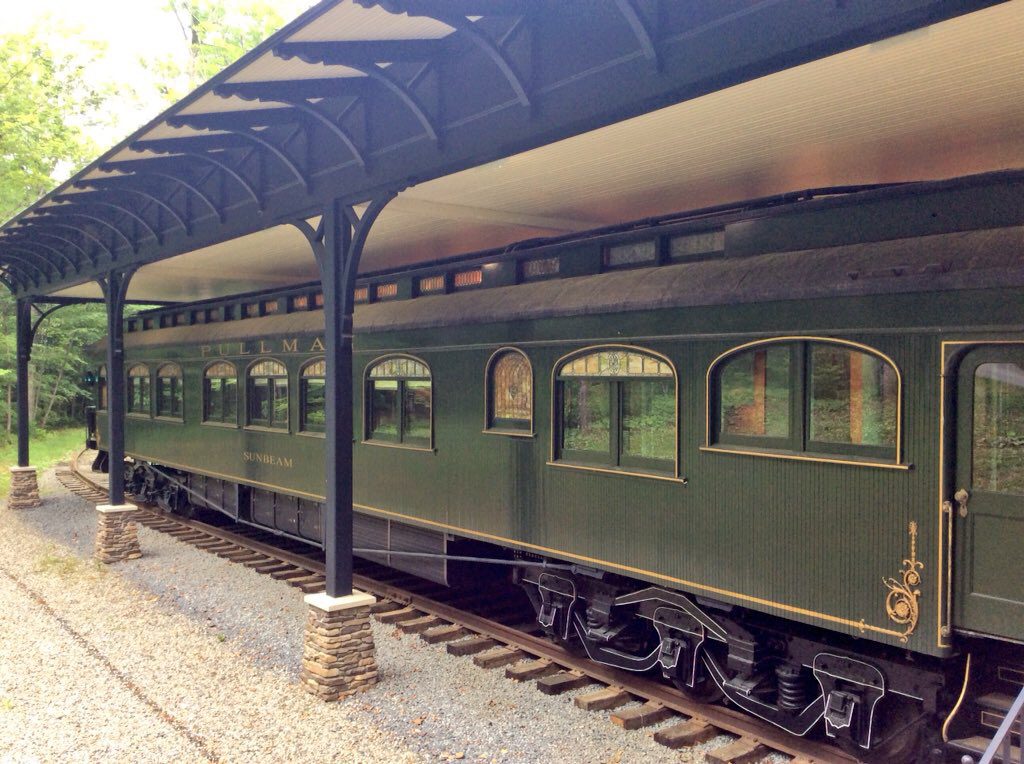
“Sunbeam” Pullman Palace Car
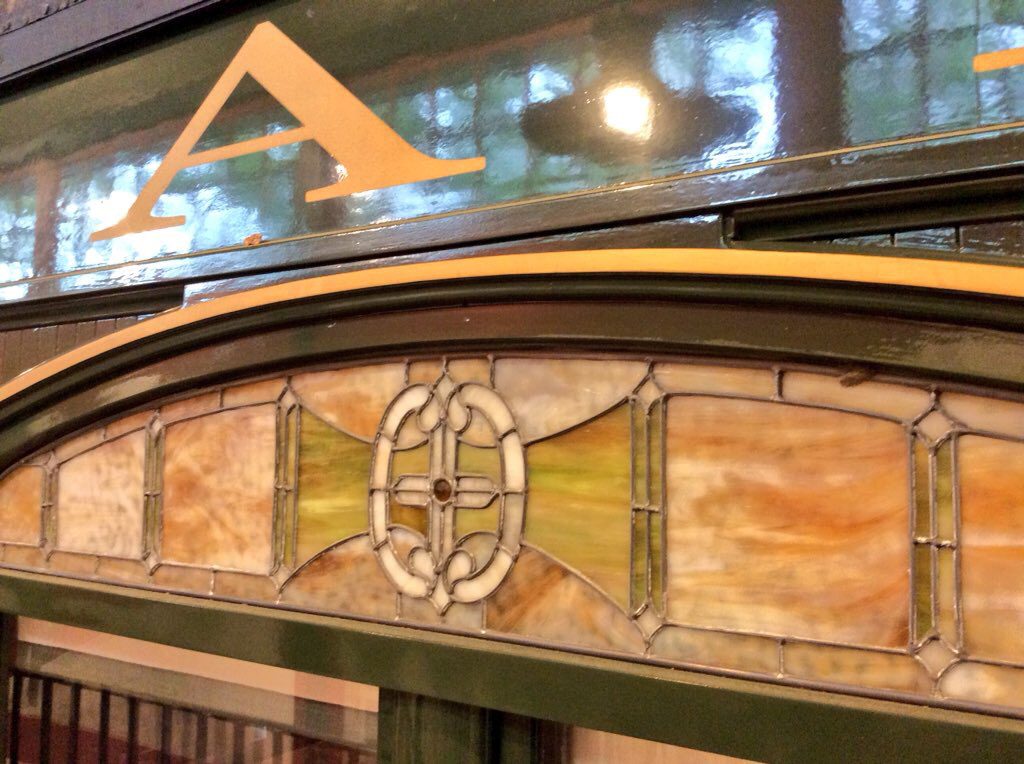
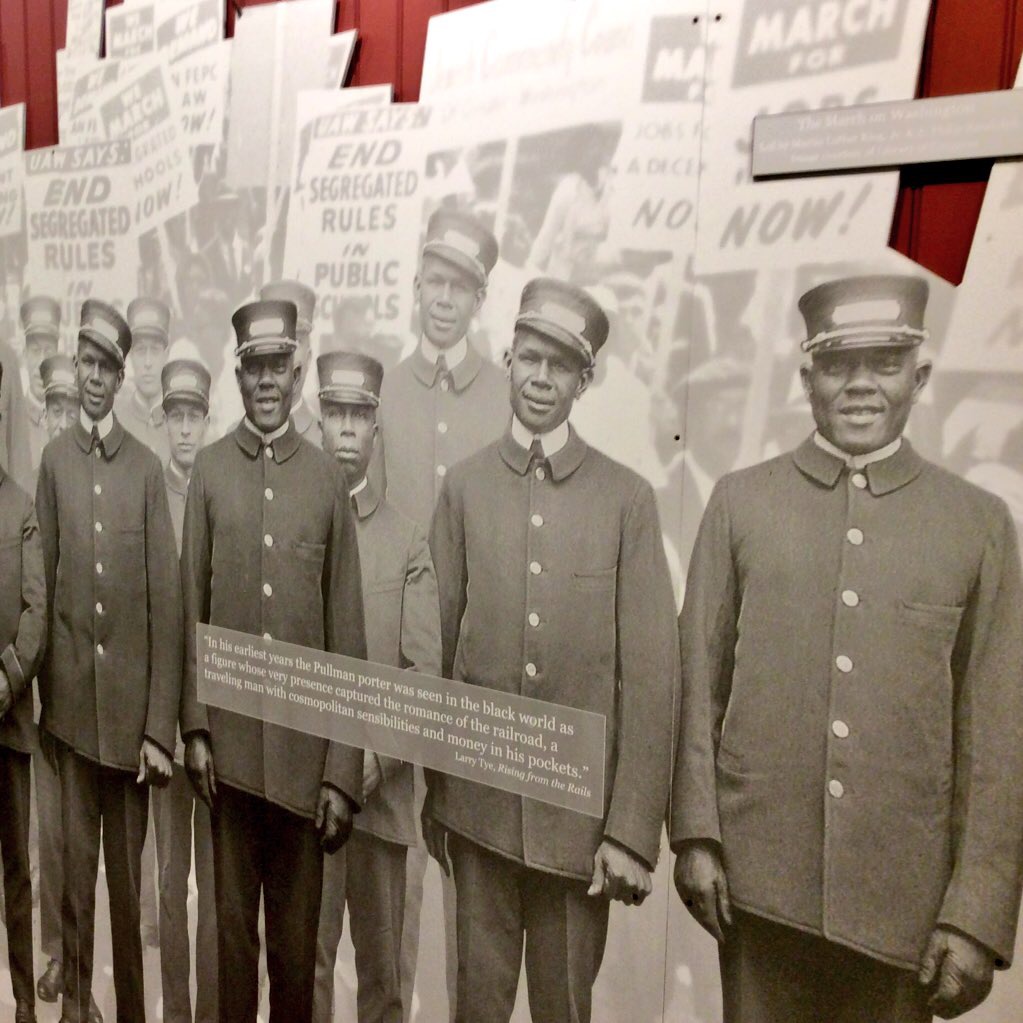
Part of the “Many Voices” Timeline of the experiences of the Pullman Porters

A 1903 Pullman Palace railroad car, the Sunbeam, came to Hildene after a national search and a meticulous restoration process. The luxurious sleeper car, used by President McKinley, reporters for Theodore Roosevelt’s 1912 campaign, and a part of FDR’s funeral train is 75 feet long vs. today’s 60. A timeline “Many Voices” begins with the Emancipation Proclamation on January 1, 1863, which links directly to the hiring of the first Pullman porters who were freed slaves after the Civil War through the Civil Rights Movement in 1963. The long view of history is that the job of porter offered opportunity, social exposure, and income, which led to the creation of an African-American middle class and respect for the porters within their communities. Access to newspapers through travel provided information for family and friends on jobs and conditions in the North. The day-to-day reality was that it was a difficult job with sometimes discouraging anonymity and little room to advance, but the porters fulfilled their duties with pride and dignity. The informative staff offer in-depth information about the period and Friends of Hildene notes the website of the Vermont African American Heritage Trail for those who are interested in learning more about similar historical sights.

One aspect of New Jersey history for regular readers connects Robert to Jersey City where Edwin Booth, the most famous and distinguished stage actor in the country and founder of The Players in New York City, saved his life. Changing trains in the early 1860’s, the 17 year old Robert, pushed in the crowd, fell between the platform and a departing train. Edwin pulled him up, not knowing who he was. Robert gratefully recounted the incident to Colonel Adam Badeau on General Grant’s staff who sent a letter of thanks to the famous actor. Edwin, ironically, was traveling with John T. Ford, owner of Ford’s Theatre. After President Lincoln’s assassination in 1865 by Edwin’s younger brother John, when Robert was by his father’s bedside when he passed, the letter reportedly gave Edwin comfort.
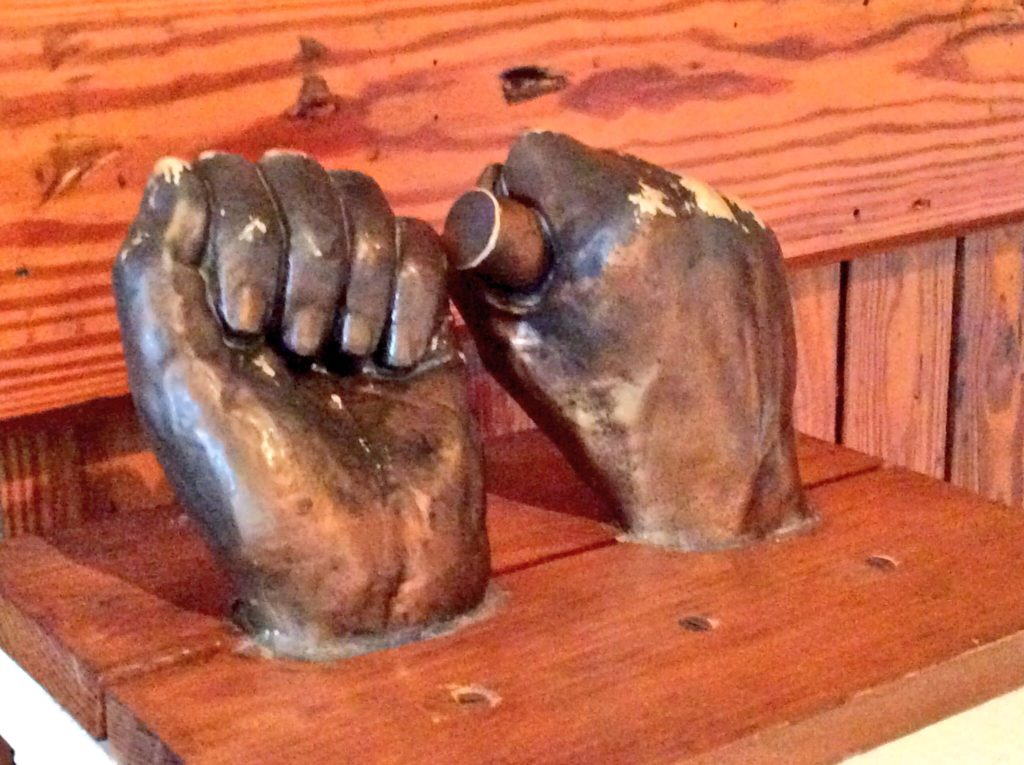
Replica of casts of Abraham Lincoln’s hands shortly after receiving the presidential nomination in 1860. Cast by sculptor Leonard Wells Volk, these are the models for President Lincoln’s hands in almost all well-known statues of him. His right hand is slightly swollen from shaking hands of well-wishers.
Walking around the estate is a pleasure, but there are also trams for visitors. For an accessibility guide, tour arrangements for the visually impaired, group tour reservations, archive tour, lectures and events, and ways to support, visit Hildene. The lovely grounds with an event tent make it a popular place for weddings and other celebrations.  As of early 2022: The estate, which includes the home, garden, Pullman Car, Hildene Farm & Goat Dairy, Dene Farm (a high school sustainability program), and twelve miles of walking trails, is open daily from Thursday-Monday, 10:00 a.m. to 4:30 except Easter, Thanksgiving, and Christmas, the 24th-26th. Admission is $23 for adults, $6 for children (6-16). Children under 6 and members are free. Daily 45-minute guided home tours are at 11 a.m. with an additional $7.50 fee. Please register ahead by writing tours@hildene.org or calling (802) 362-1788.  A fun note: enjoy cross-country skiing and snowshoeing on the trails from mid-December to mid-March, 10 a.m.-4 p.m. with a preview of the grounds.

Thank you to the staff, volunteers, and Friends of Hildene for a wonderful visit.

(Sources: Hildene.org, EquinoxHotel.com, Biography.com: quote, historynet.com, VermontHistory.org, Smithsonian.com, Telegram.com, NewEngland.com/newsarticles/Lincoln, Wiki)

“Hildene: Robert Lincoln and His Family” All Rights Reserved © 2018 Kathleen Helen Levey
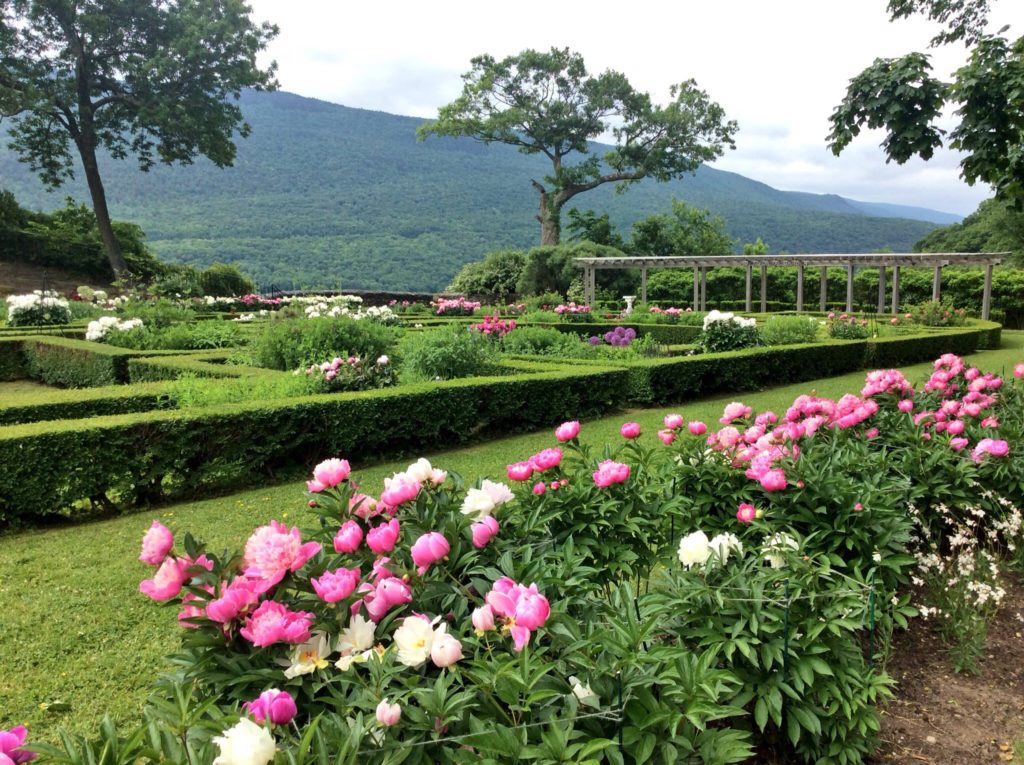
Hoyt Formal Garden view from second floor

Garden view of Hildene home

Edison & Ford Winter Estates

“If we did all the things we are capable of, we would literally astound ourselves.” 

An admirer of Thomas Paine, who once lived in Bordentown, New Jersey, Edison’s remarks sometimes revealed a revolutionary soul, “We will make electricity so cheap that only the rich will burn candles.”  Perhaps that is one aspect that he had in common with his lifelong friend Henry Ford, a fellow trailblazer in innovation and mass production, who often visited at Edison’s Glenmont Estate in New Jersey.  Nevertheless, they both enjoyed some luxuries, not opulent in comparison with their peers, but elegant just the same.  One of those was their winter getaway to Fort Myers, Florida, designed by Thomas, which includes the Edison & Ford Museum, Seminole Lodge (main house, guest house, caretaker’s house), the Edison Botanic Research Laboratory, Edison Botanical Gardens, and The Mangoes, the Ford home.

The Botanic Research Laboratory was the result of Thomas Edison, Henry Ford, and Harvey Firestone’s concern about the United State’s dependence on suppliers overseas for rubber. After trying 17,000 native plants to produce rubber, Thomas found success with Goldenrod, though he did not live to see the completion of the experiments.  The lab is now a National Historic Chemical Landmark, designated by the American Chemical Society, one of few in the country, others commemorating the work of Rachel Carson and George Washington Carver. The extensive museum includes a Smithsonian Spark! interactive lab, a timeline of innovation, movies & music, and more.  Children’s activities include rainy day learning.

The more than 20 acres of botanical gardens includes trees planted by Edison and Ford themselves as well as a moonlight garden, 1929, designed by Ellen Biddle Shipman.  The banyan tree and royal palm allee are standouts among many gardens of interest.

Tours, lectures, and events are ongoing at the Winter Estates.  The estate is also available for corporate and private events. For more information and to take a virtual tour, visit: Edison and Ford Winter Estates.

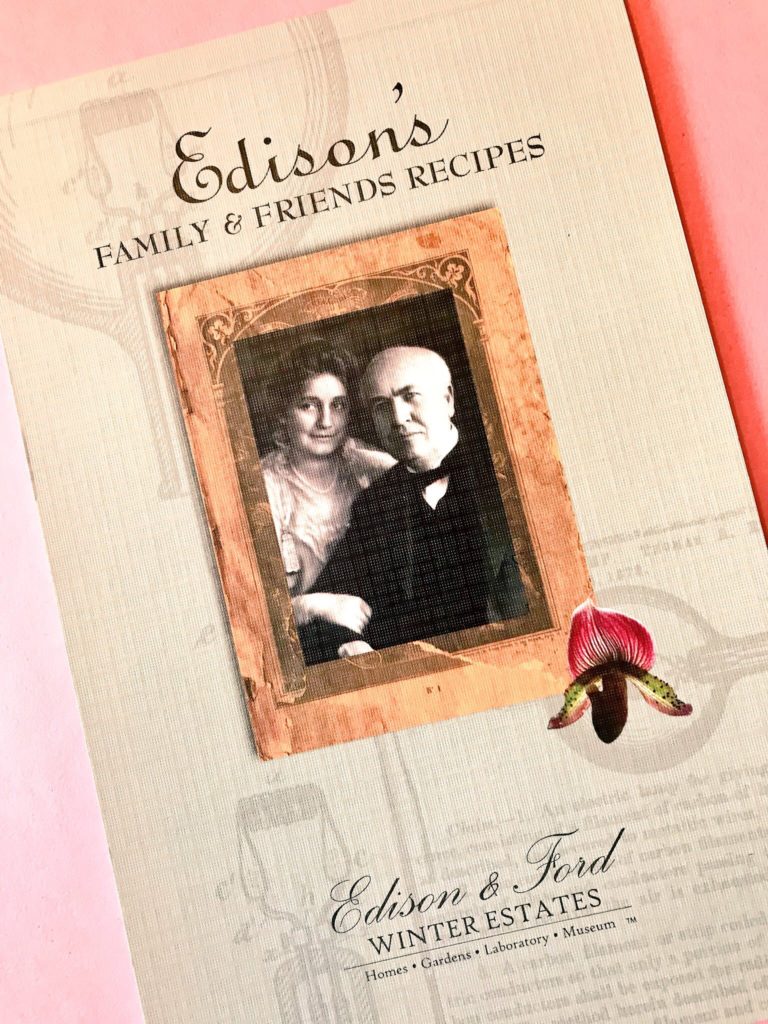
If you enjoy bringing history to life, and simply making good recipes, try one of the favorites from Edison’s Family and Friends Recipes.

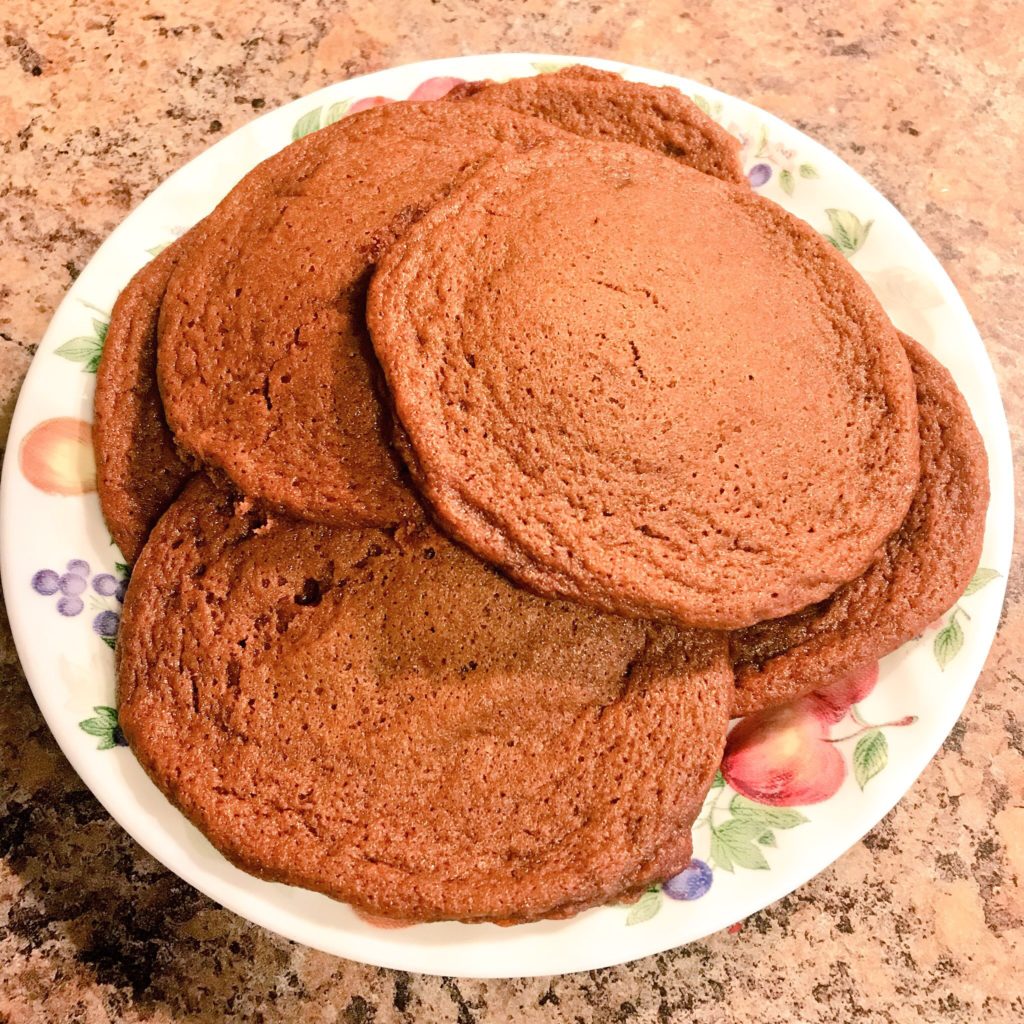
Ginger Snaps

2 cups brown sugar

2 cups molasses

1 cup shortening

4 cups flour

1 1/3 teaspoons salt

1 teaspoon soda

1 teaspoon ginger

1 teaspoon cinnamon

1 teaspoon cloves

Heat and bring to a boiling point sugar, molasses, shortening (part of which should be butter), ginger, cinnamon, and cloves.  Remove from fire and cool.  In the meantime, mix and sift the salt and flour and stir part of it in the cooling mixture. Dissolve the soda in a tablespoon of warm water and beat into the mixture then stir in the remainder of flour.  Roll out to about 1/4 inch-thickness on a floured board and shape with a floured cutter.  Place on small buttered tins allowing space for spreading.  Preheat oven for 10 minutes at 350 degrees F.  Put in oven and bake for 7 minutes.

As a firefighter’s granddaughter, I decided to use the microwave instead of boiling, and an ice cream scoop and a pizza tray replaced the cookie cutter and tin.  (Things are fast and loose in this kitchen, especially with a deadline.)  The batter has a consistency like taffy and the cookies taste like gingerbread.  If you prefer a sweeter cookie, a couple of sweet recipes are coming in the summer and the Martha Stewart’s peanut butter and jelly cookie recipe is still up. Our father’s favorite cookie was a molasses-based spice crinkle, and he would have enjoyed these ginger snaps as well as Thomas Edison’s overalls quote in the preceding post.  The ginger snaps may be a fun cookie surprise for Father’s Day along with a visit to an Edison site.

Mina Edison’s Ginger Snap Cookies

Sincere thanks to the Edison & Ford Winter Estates for their kind permission to use this recipe from Edison’s Family and Friends Recipes that features family favorites.  This is more like a booklet and only costs a few dollars.  Other recipes are: Mina’s “Light as Air Muffins,” Egg Croquettes, Mina’s Deviled Crab, Hot Slaw, Hickory Nut Cake, Chocolate Caramels, and Mina Miller Edison’s Holiday Punch.

You can purchase the book online with the Winter Estate or in the Thomas Edison Historical Park gift shop where I did.  Since we were in touch late last summer, the nonprofit Winter Estates came through Hurricane Irma.  In what seems like characteristic generosity, they are offering wood from downed trees to local woodworkers.

(Source: edisonfordwinterestates.org)

All Rights Reserved © 2018 Kathleen Helen Levey
Central Park: A Template of Beauty

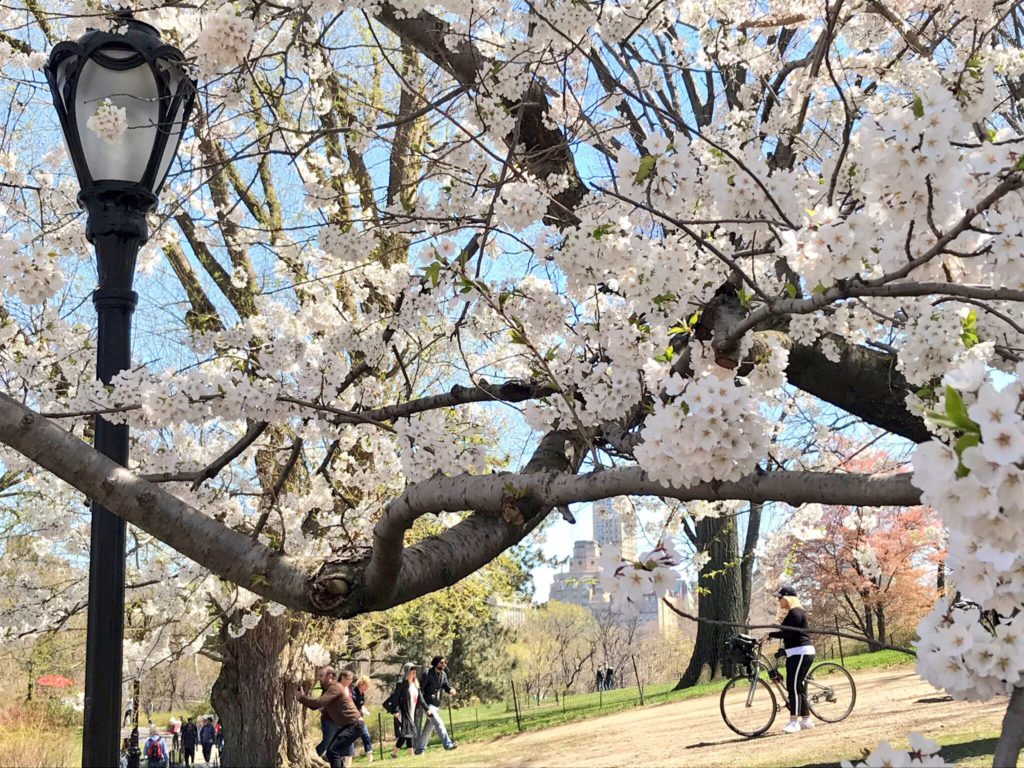
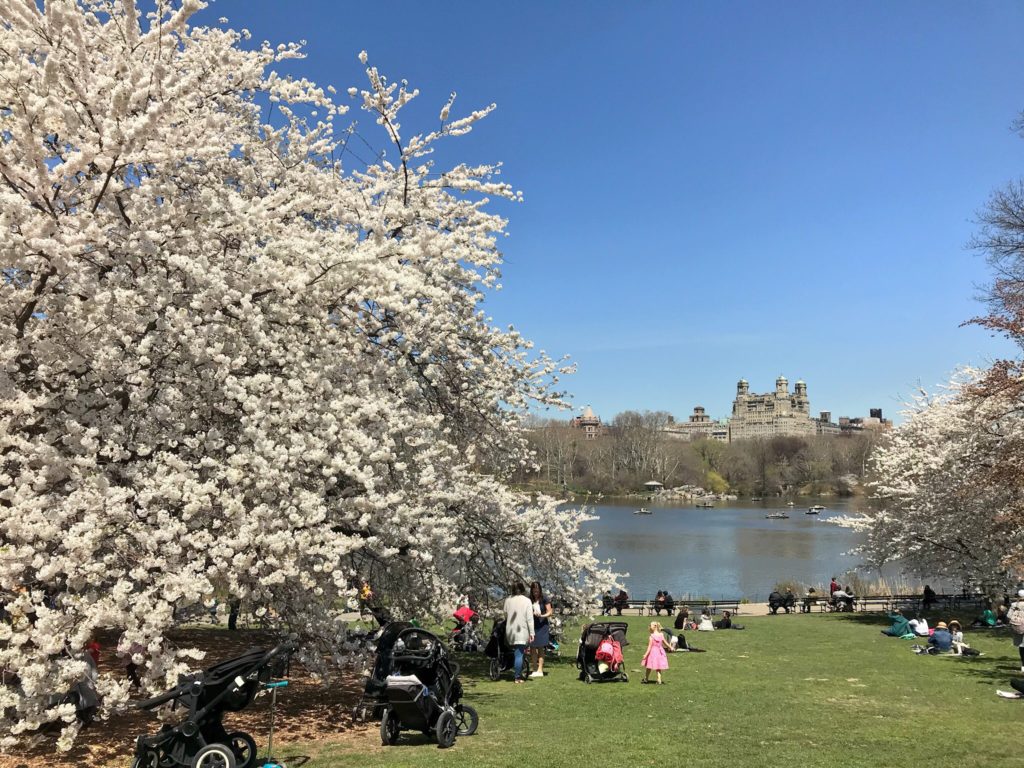
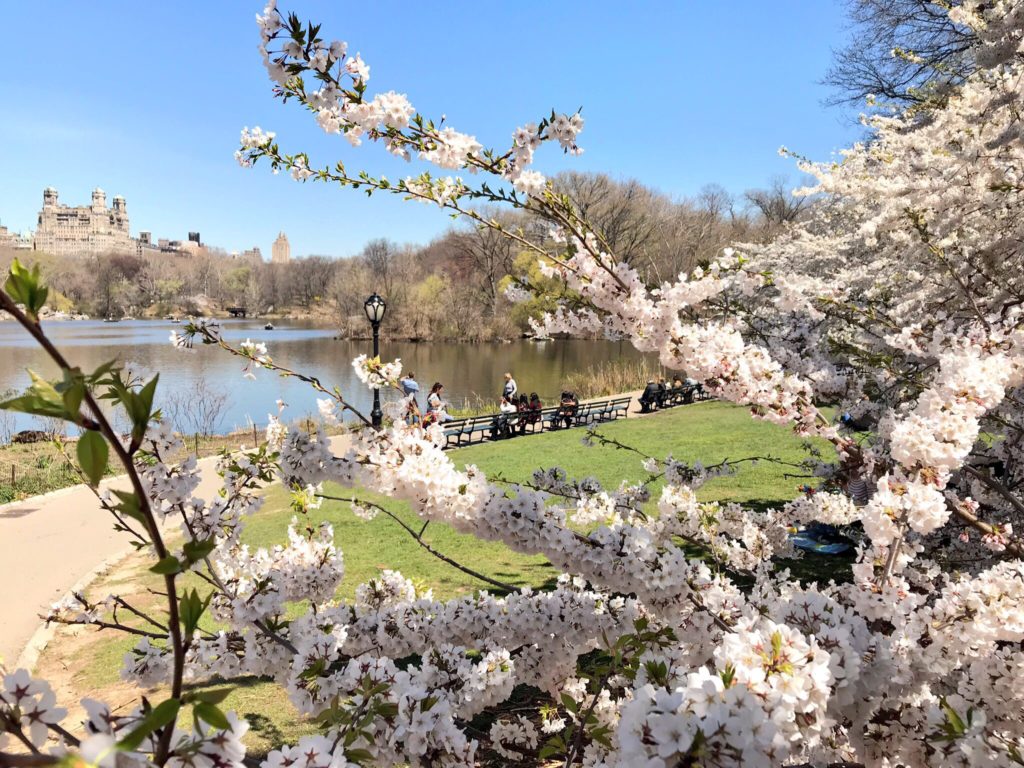
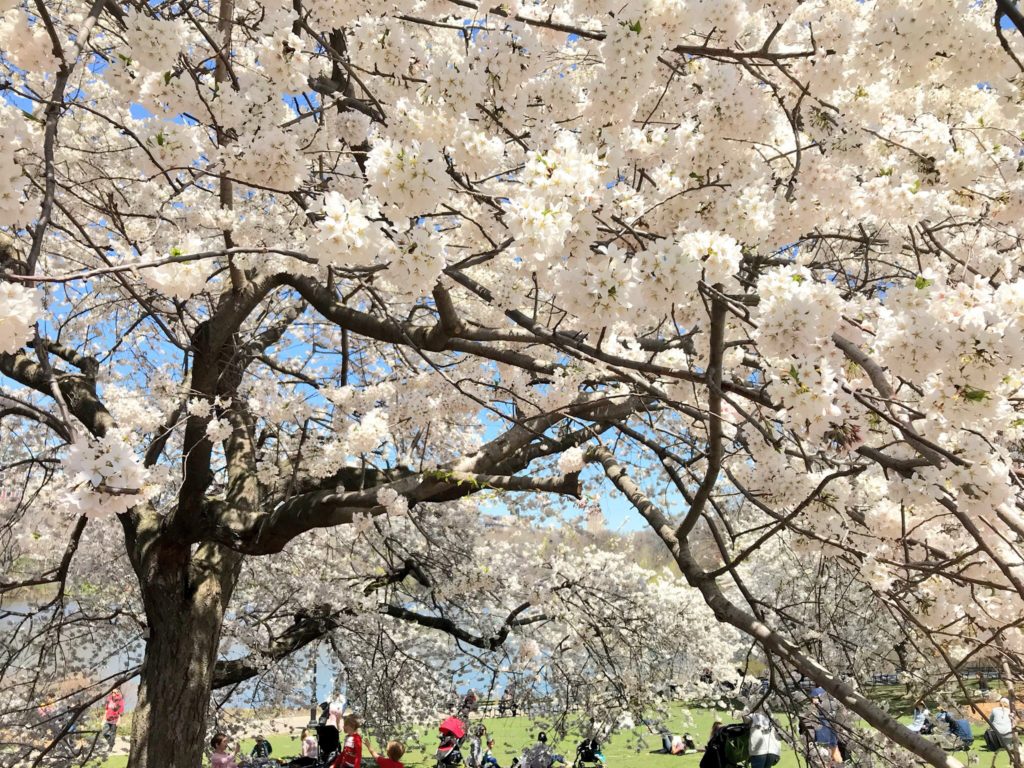
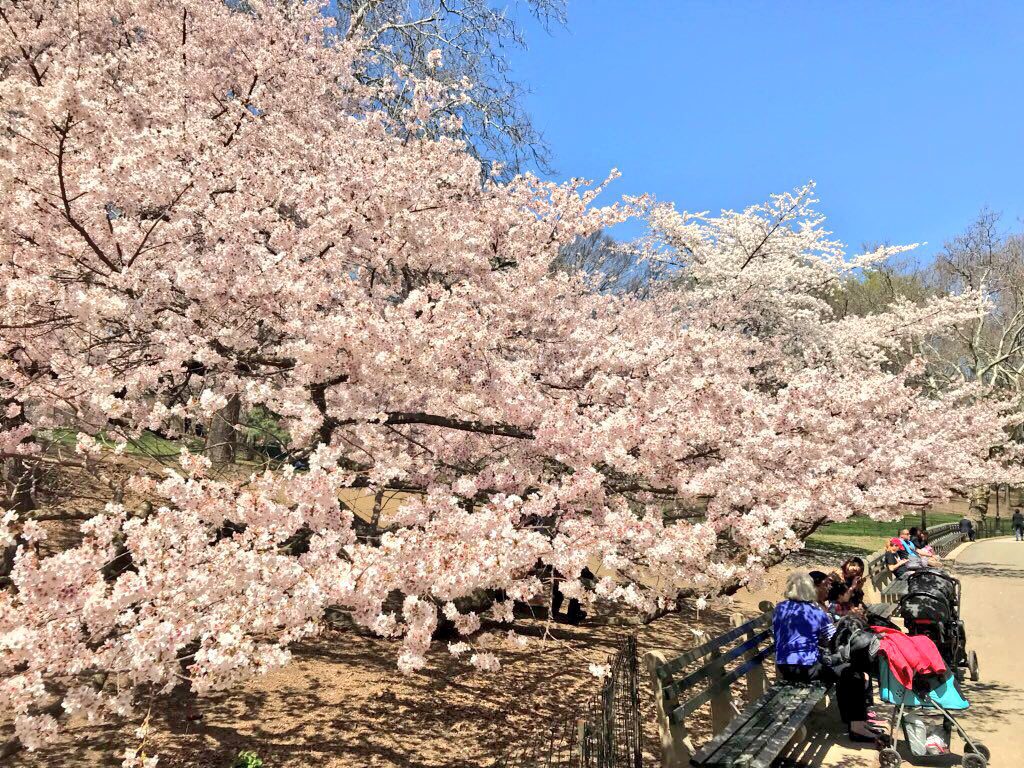
Spring ambience, Cherry Hill

“…there is…a pleasure common, constant and universal to all town parks…in other words, a sense of enlarged freedom is to all, at times, the most certain and the most valuable gratification afforded by the park”.   Frederick Law Olmsted

The sounds of Central Park: birds singing, children laughing, musicians playing, and water trickling are all the melody of Frederick Law Olmsted and Calvert Vaux’s harmonious vision of the park. Their artful landscape design draws one into a retreat with nature that inspires painterly artists and sculptors alike.  More recent tunes like those of the Delacorte Clock and the Carousel have added to the park’s charm.

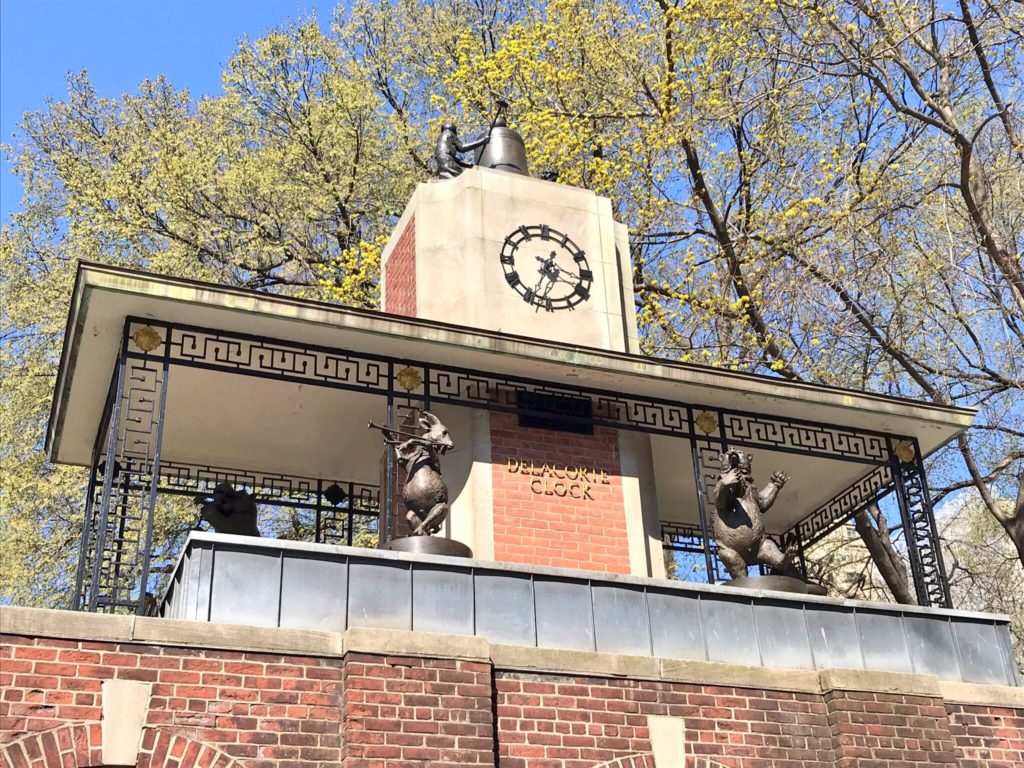
Delacorte Clock

Happy park goers at Cherry Hill

The National Historic Landmark in the heart of Manhattan began with a city competition in 1857. The prize went Frederick Law Olmsted, park superintendent, and Calvert Vaux, an English-born architect. The philosophy of Frederick Law Olmsted, considered the father of American landscape design, was to create parks that instilled a feeling of community within cities. His parks included not just fields, but diverse recreation for wide appeal. Olmsted’s principles of landscape design visually drew in park goers to varied landscape themes that brought a sense of tranquility.  Calvert Vaux, co-architect of the Metropolitan Museum of Art and the American Museum of Natural History, implemented their aesthetic vision of Central Park, to render landscape into art.  With this principle in mind, Vaux designed Bethesda Terrace and the park’s iconic bridges.

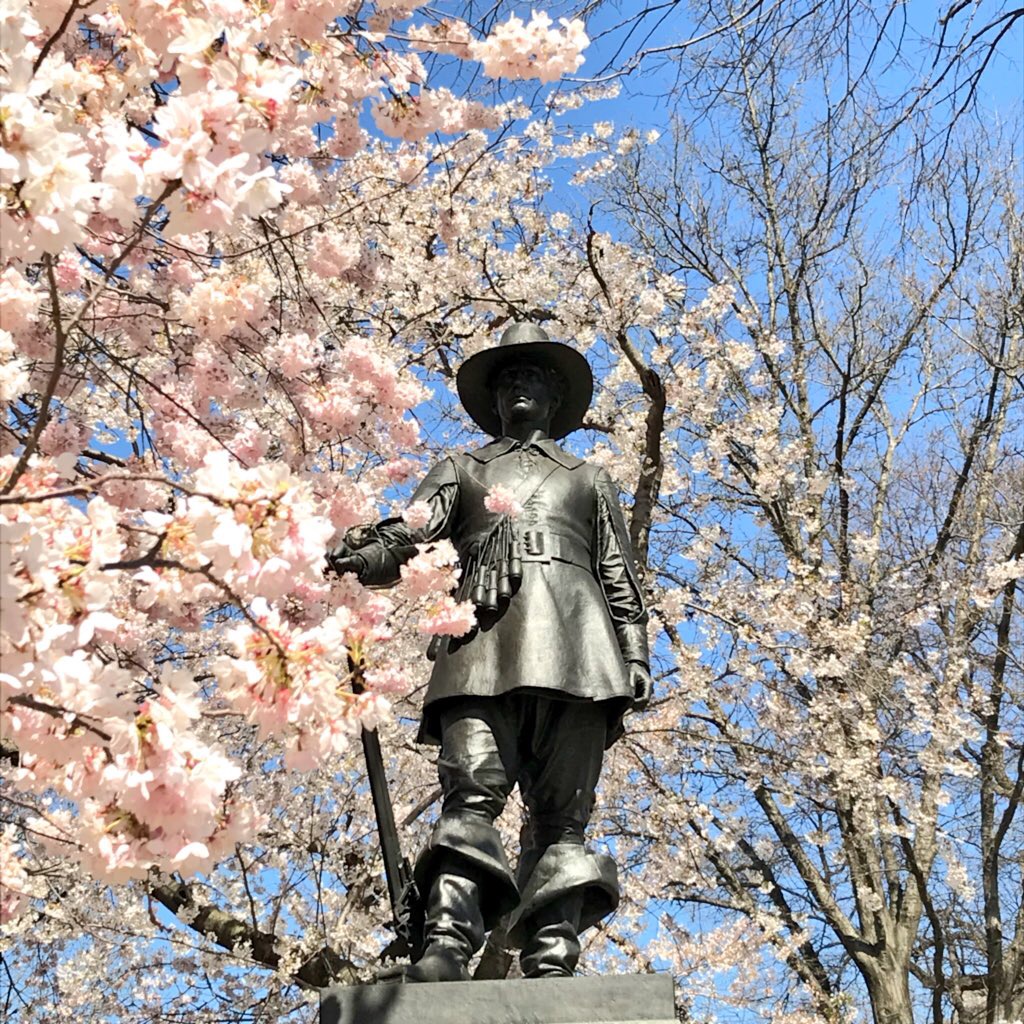
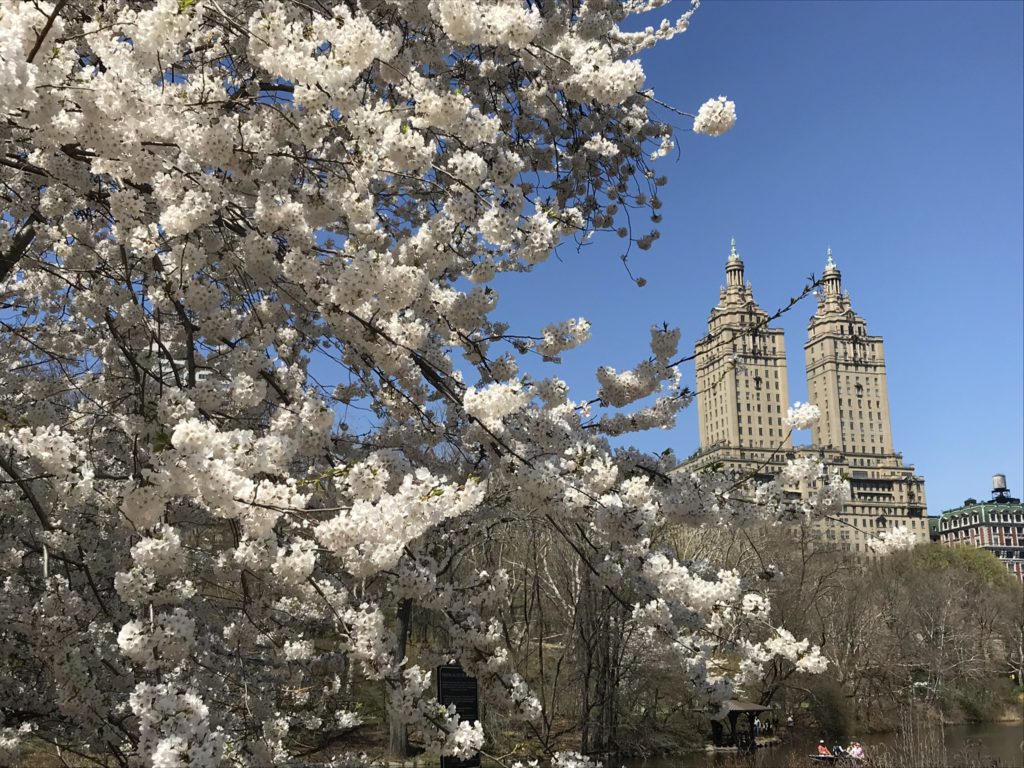
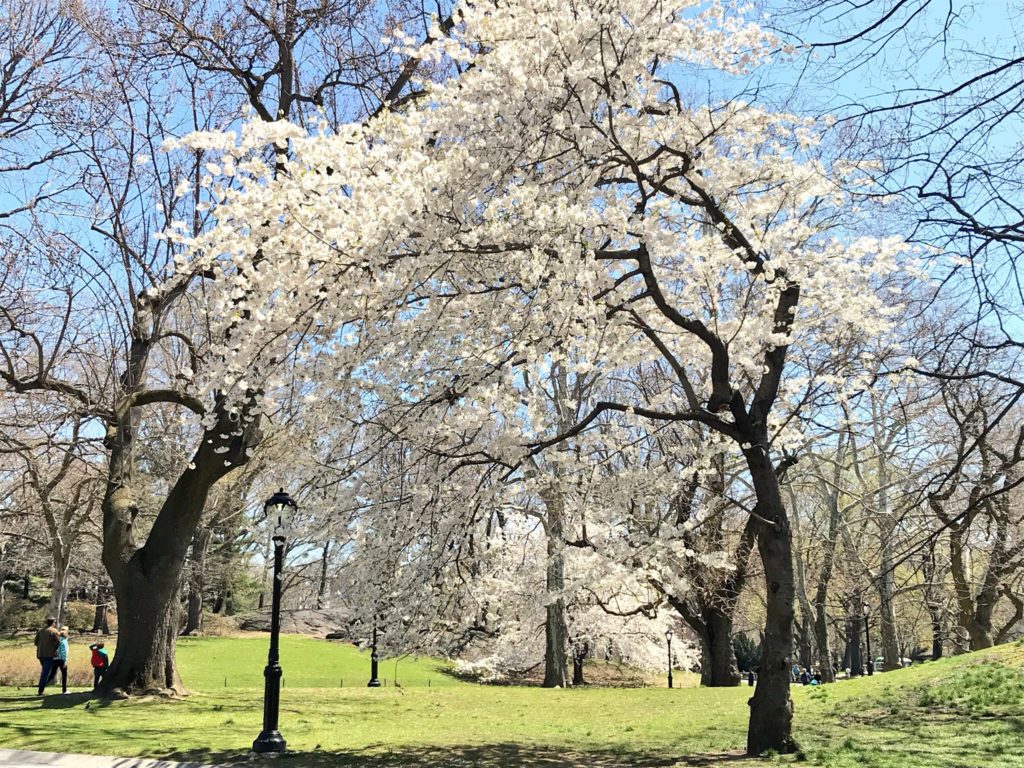
Cherry blossoms on Pilgrim Hill

Some fun facts about the park: A stroll through the two and a half miles (4 km) from north to south in the park represents traveling from the city, containing landmarks, to the wooded countryside of New York state. Walking all the way around the park’s 843 acres (341 hectares) is a six-mile (9.6 km) trip.  Topsoil brought in from New Jersey and Long Island helped create the rolling landscapes of the park. Frederick Law Olmsted and Calvert Vaux created harmonious oases throughout the city, including Manhattan’s Riverside Park and Morningside Park and Brooklyn’s Prospect Park, Fort Greene Park, Carroll Park, and Herbert Von King Park.  Frederick designed parks in Boston, Buffalo, Chicago, and the Biltmore Estate in Asheville, the grounds of the US Capitol, and Mount Royal Park in Canada. Together with Calvert, he created a plan to protect the natural beauty of Niagara Falls.

Cherry Hill

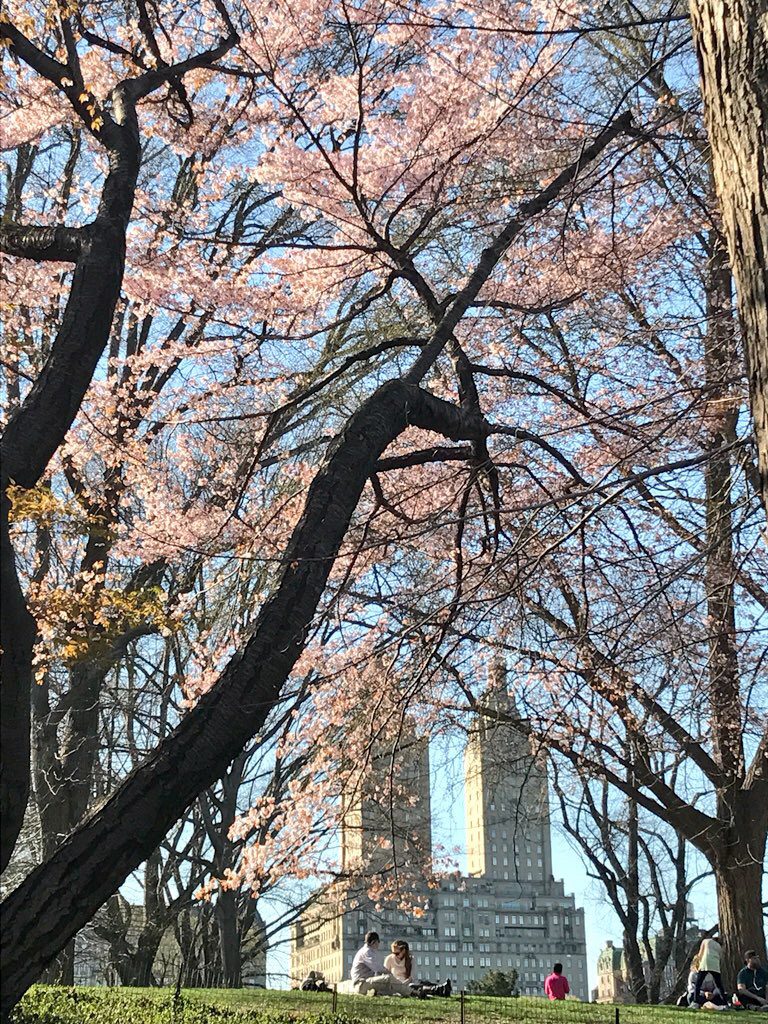
San Remo Building

The Olmsted-Vaux design

Olmsted and Vaux in the Garden State  

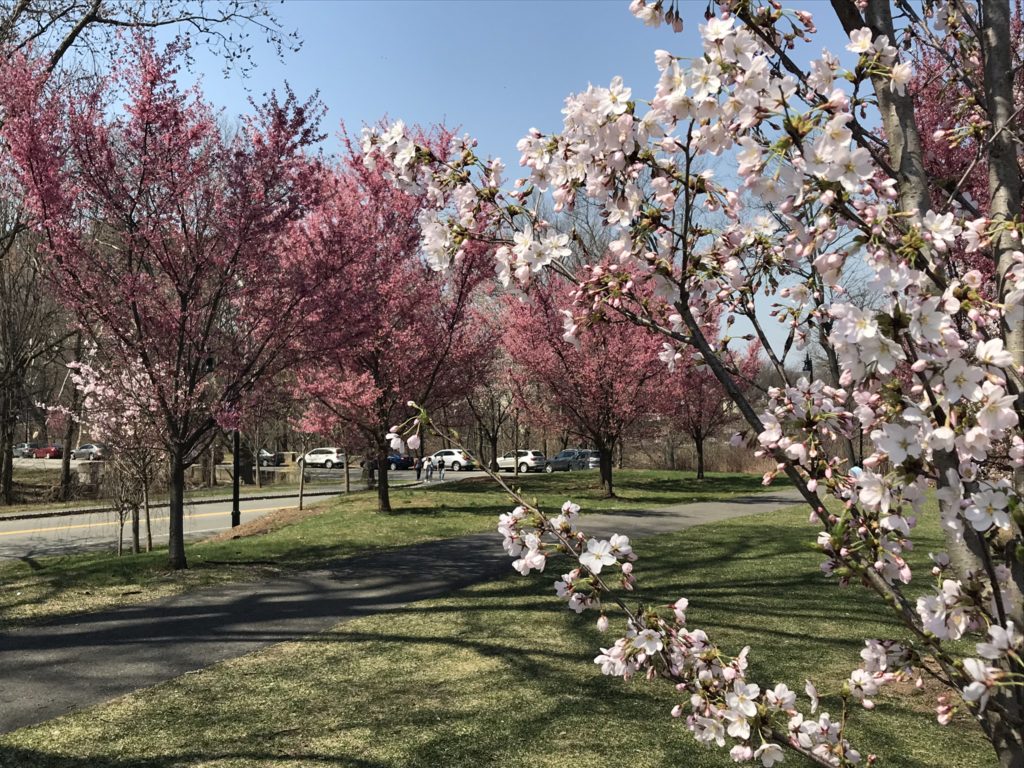
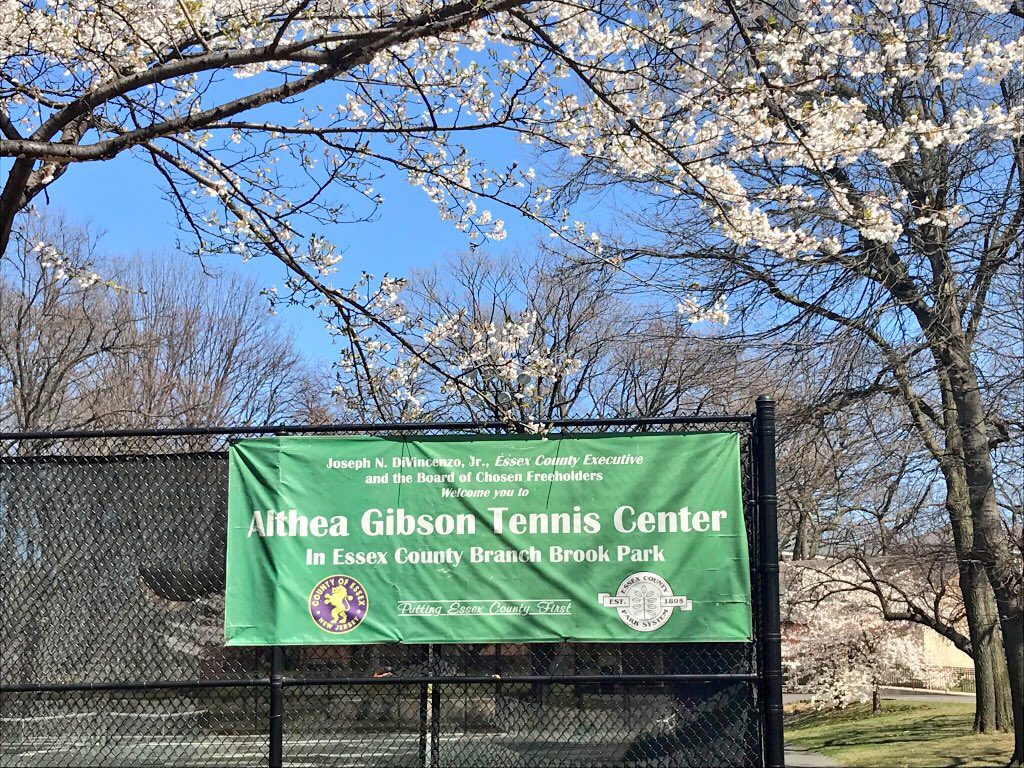
With the success of Central Park, other commissions for Olmsted and Vaux followed, including nearby Newark, New Jersey. Branch Brook Park, envisioned by Frederick, was the park of our childhood.  Cherry blossom season meant family poses in Easter best beneath branches of flower petals that gently caressed our newly bared arms in the spring sunshine. The breeze carried the crunch of crinoline, the jingle of the ice cream truck, and the rustling of robes as proud graduates also posed beneath swaying blossom branches.  The flowering cherry trees were and are the special occasion trees for New Jerseyans, spring in itself celebratory after a long winter.  Caroline Bamberger Fuld, who shared the Olmsted-Vaux vision, brought the trees from Japan and nurtured them on her own Orange estate before having them planted in the Newark-Belleville park.

Of the parks and grounds throughout New Jersey attributed to Frederick Law Olmsted and his sons, John Charles and Frederick, Jr., known professionally as the Olmsted Brothers, the Twombly-Vanderbilt Estate, now Fairleigh Dickinson University’s Florham Campus, Madison, The Lawrenceville School campus, and Cadwalader Park, Trenton, Frederick personally designed.  Verona Park, Maplewood Memorial Park, Anderson Park, Montclair, and Warinanco Park, Roselle and Elizabeth were projects carried out by the Olmsted firm. Among the private residences Calvert Vaux planned, the Wisner Estate in Summit, now Reeves-Reed Arboretum on the National and State Registers of Historic Places, is where visitors enjoy scenic walks and gardens.  If the rare person does not recognize the names of Olmsted and Vaux at Garden State stops, the mention of Central Park sparks immediate admiration.

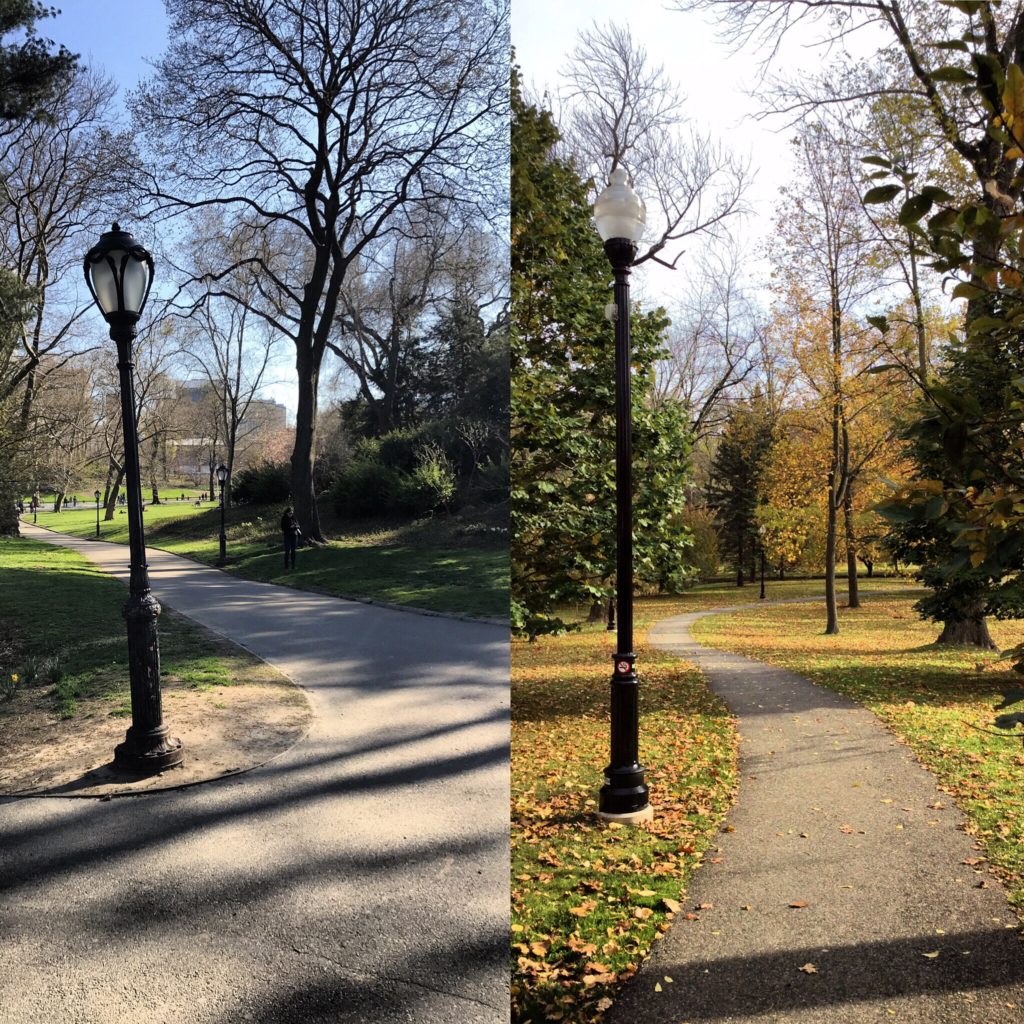
Central Park and Verona Park with the Olmsted design that draws us in: curving paths, a varied landscape of rolling hills, playing fields, meadows, and water.

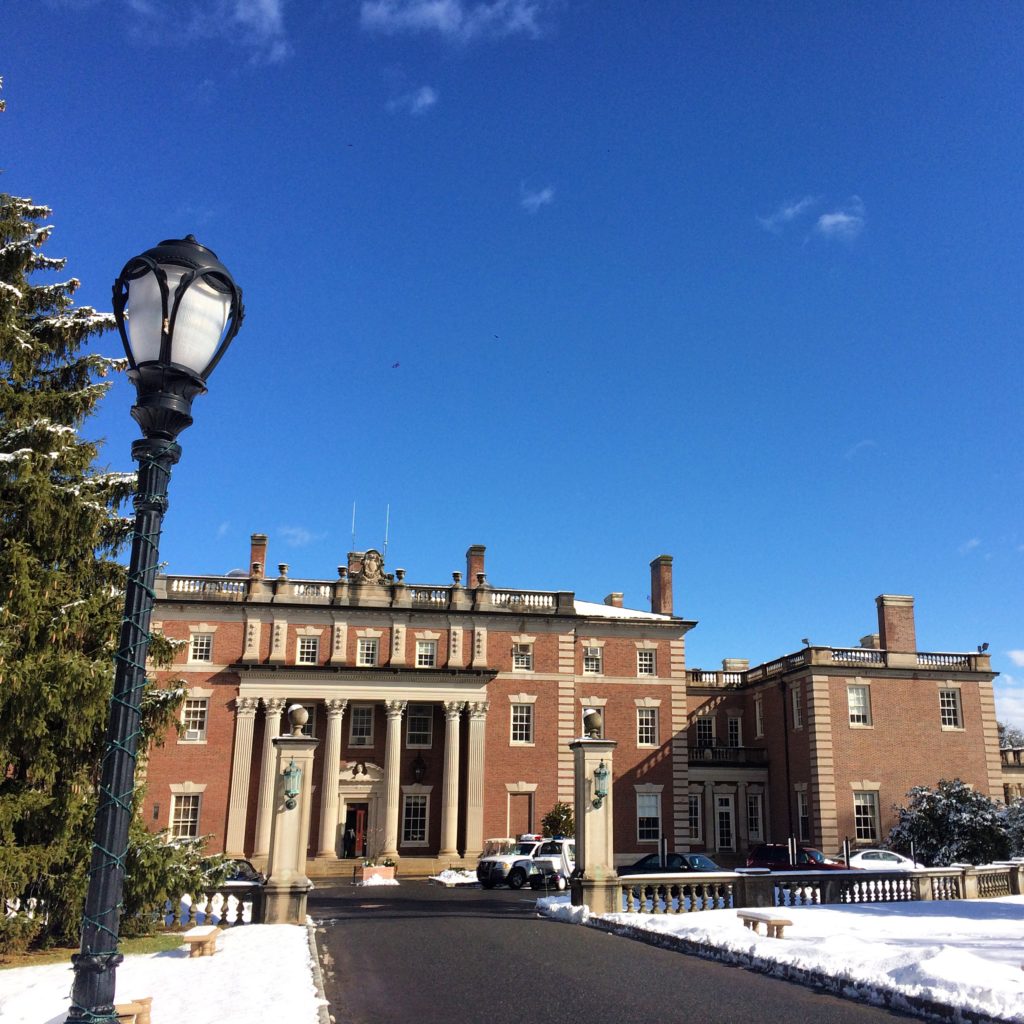
Fairleigh Dickinson University’s Hennessey Hall, the former Twombly-Vanderbilt Mansion in Madison

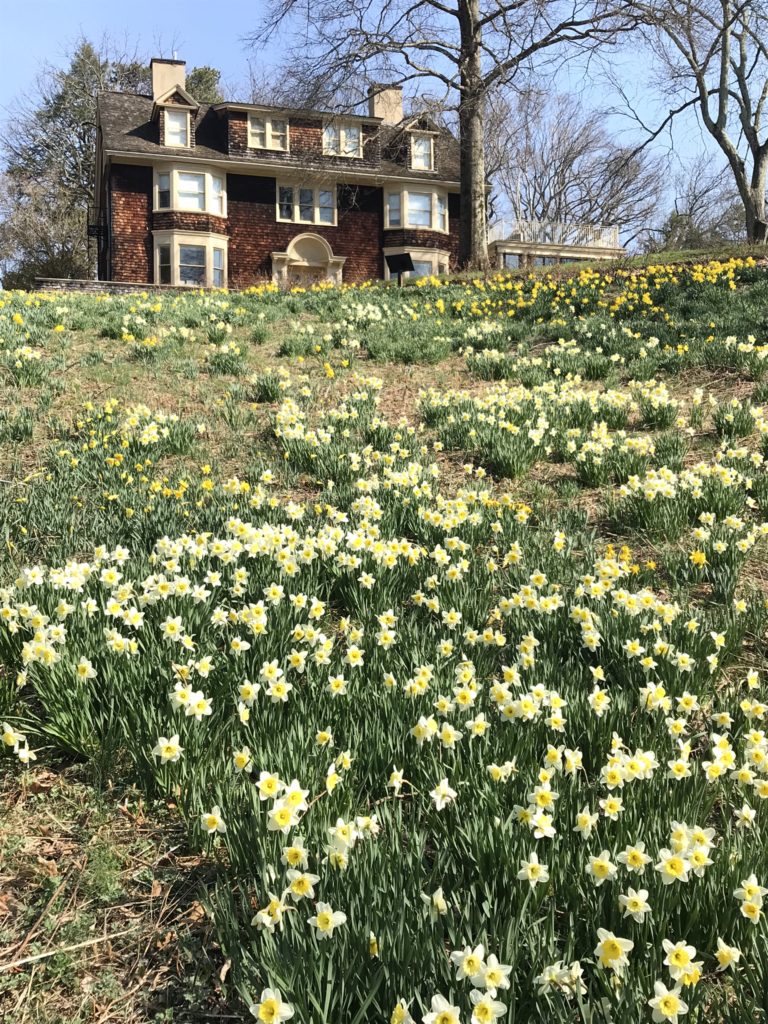
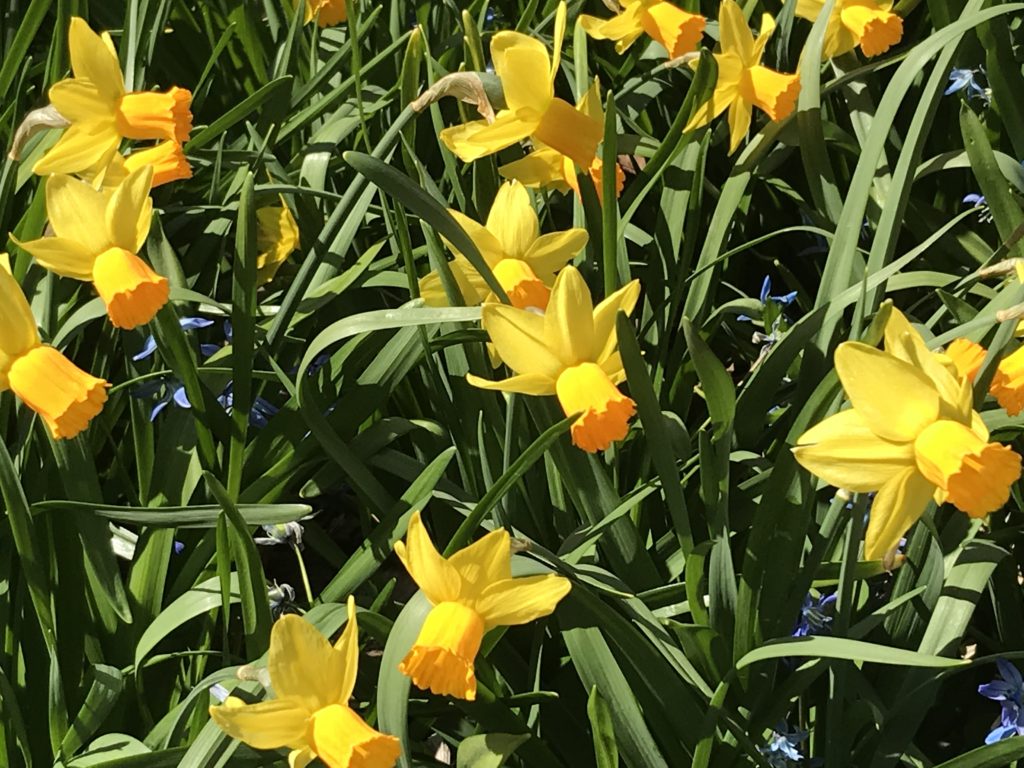
Wisner House and daffodils on the Bowl, Reeves-Reed Arboretum in Summit

A Lifelong Park

Central Park is a park for our lifetime.  The exploration of the big rock by the American Museum of Natural History marked our first family visit, the site summited again on a field trip with young classmates. The late 70’s brought James Taylor and his concert for Sheep Meadow, which may be news to my mother-reader.  On city excursions with girlfriends, the 80’s had the fun of JFK, Jr. sightings whether he was tossing a football, throwing a Frisbee, or doing pretty much anything in a boyish way.  A walk through the park on visits back to the States in the 90’s felt like officially coming home. The anchor was not only the park’s beauty, but people in harmony with nature in a way that seemed unique by being both within and away from the city.

West 72nd Street entrance

A few years into the new millennium came the unexpected thrill of living in New York City, and the park, a former destination, was now a neighbor.  Cozily tucked into a living space, I appreciated Frederick Law Olmsted’s vision of a place for everyone to go and feel free.  At one point, I was fortunate enough to walk through the park to go to work, which meant that I arrived with a smile for others and returned home with cares left in green fields.  If I completed enough work on Saturday, the reward was a Sunday morning spent in the park, reading the papers by the Conservatory Water, applauding the nearby roller skate dancers in warm weather or the sledders on Cedar Hill in cold, or dropping by the Met or the 92nd Street Y to meet friends in a bounty of good fortune. We all have memories like these with more to come thanks to the Central Park Conservancy, dedicated staff, and volunteers.

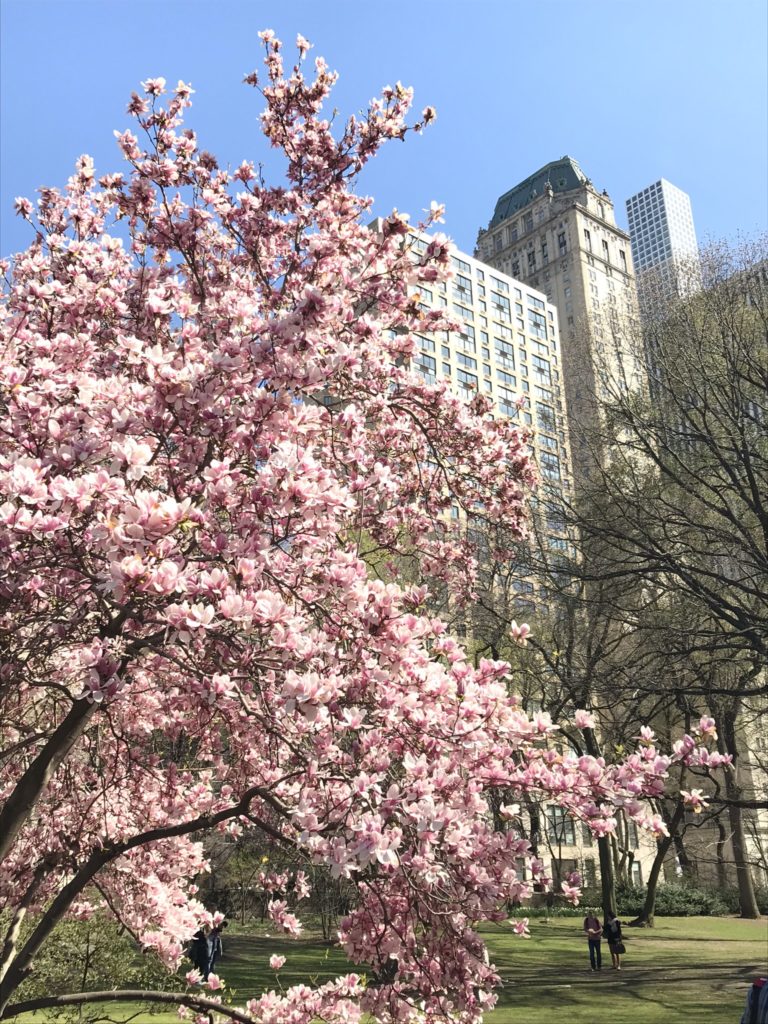
People travel the world for bucket list experiences, but there is nothing like passing beneath a fragrant canopy of delicate flowers.  The cherry blossoms have given turn to the crab apple blooms in the symphony of spring in Central Park.  Welcome spring with a walk in the park.

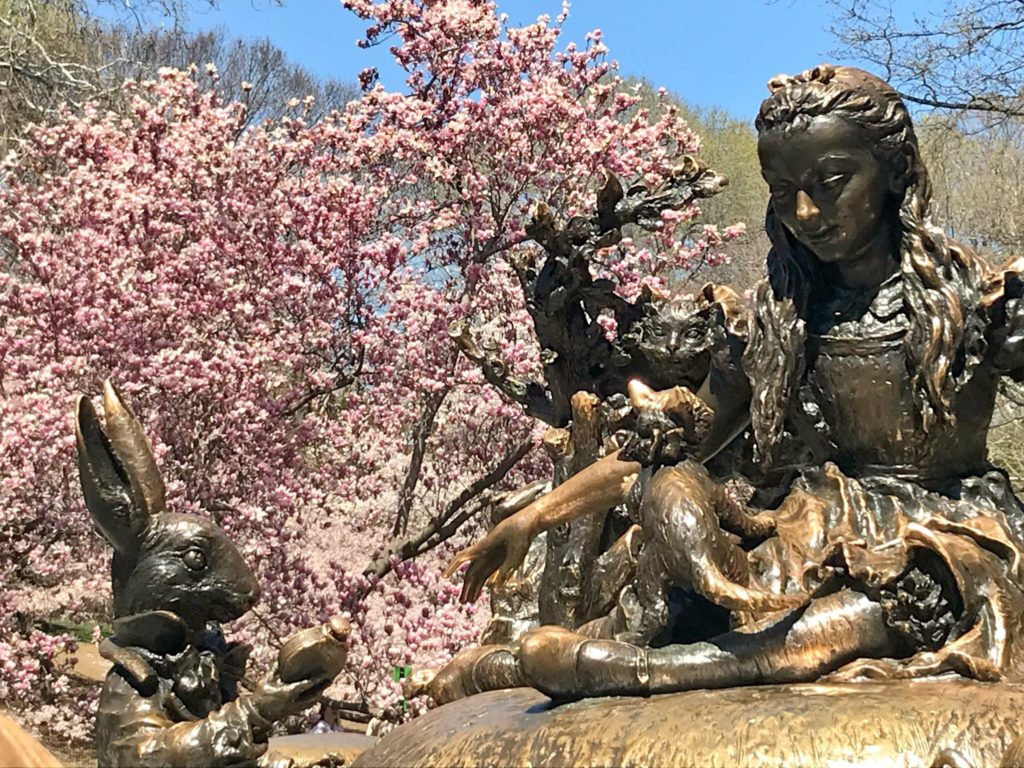
Lewis Carroll’s “Alice in Wonderland” by Jose de Creeft, commissioned by George Delacorte

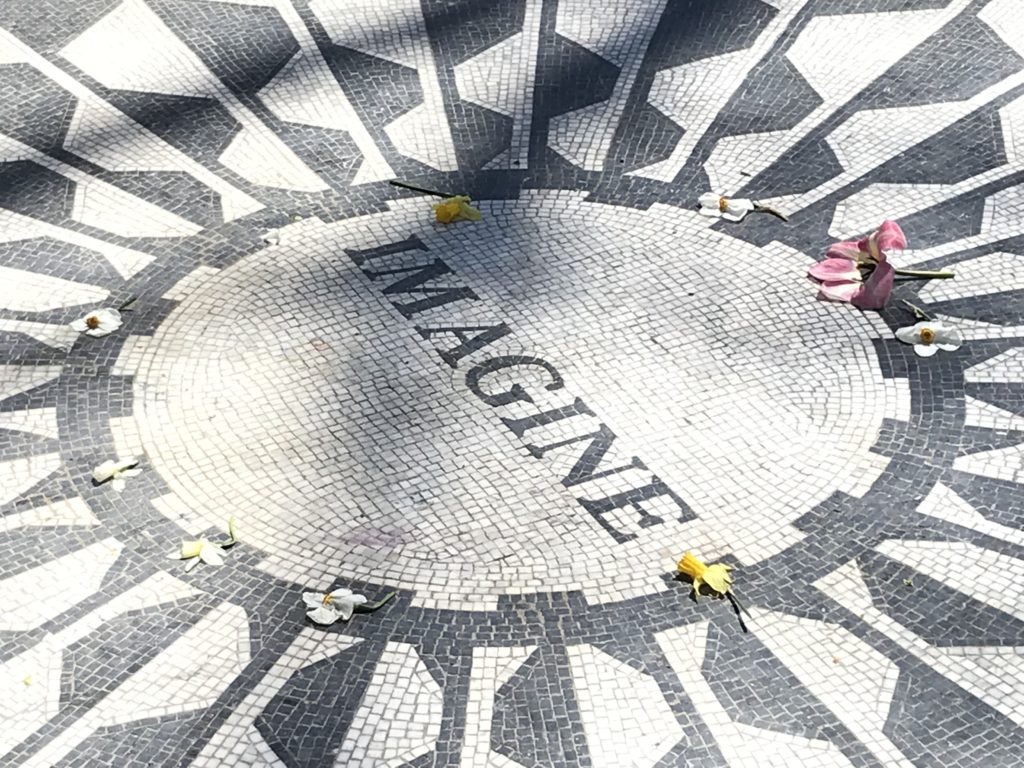
Monument to John Lennon, gift of the City of Naples, designed by Bruce Kelly; Strawberry Fields commissioned by Yoko Ono

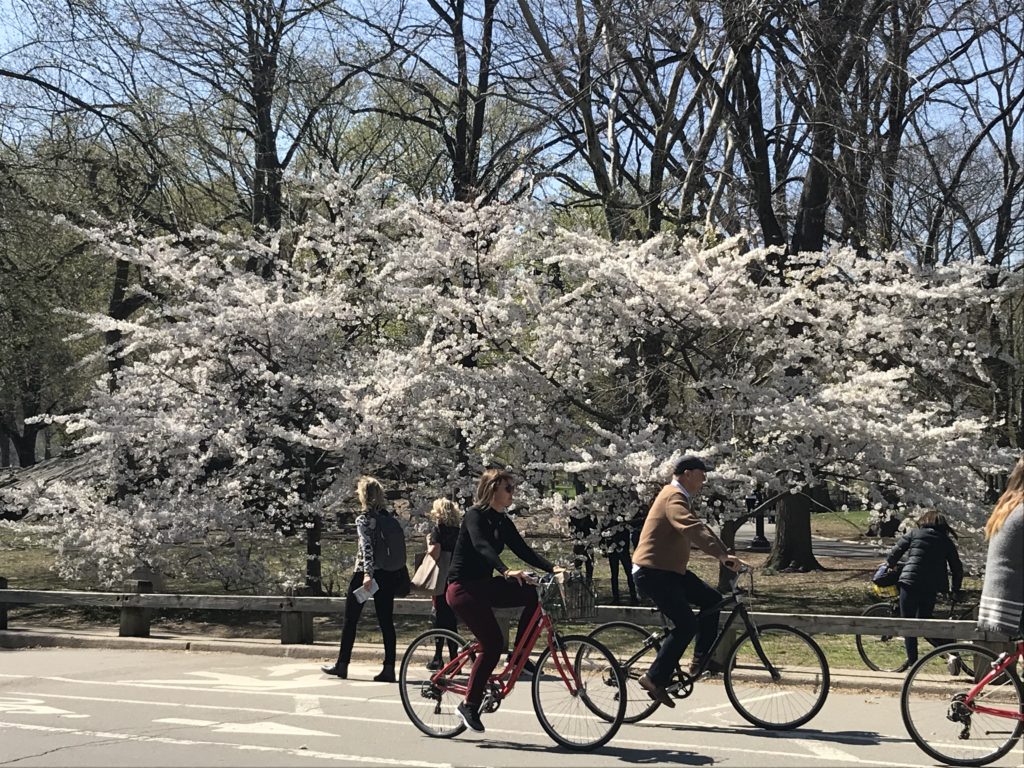
Cyclists everywhere enjoying spring

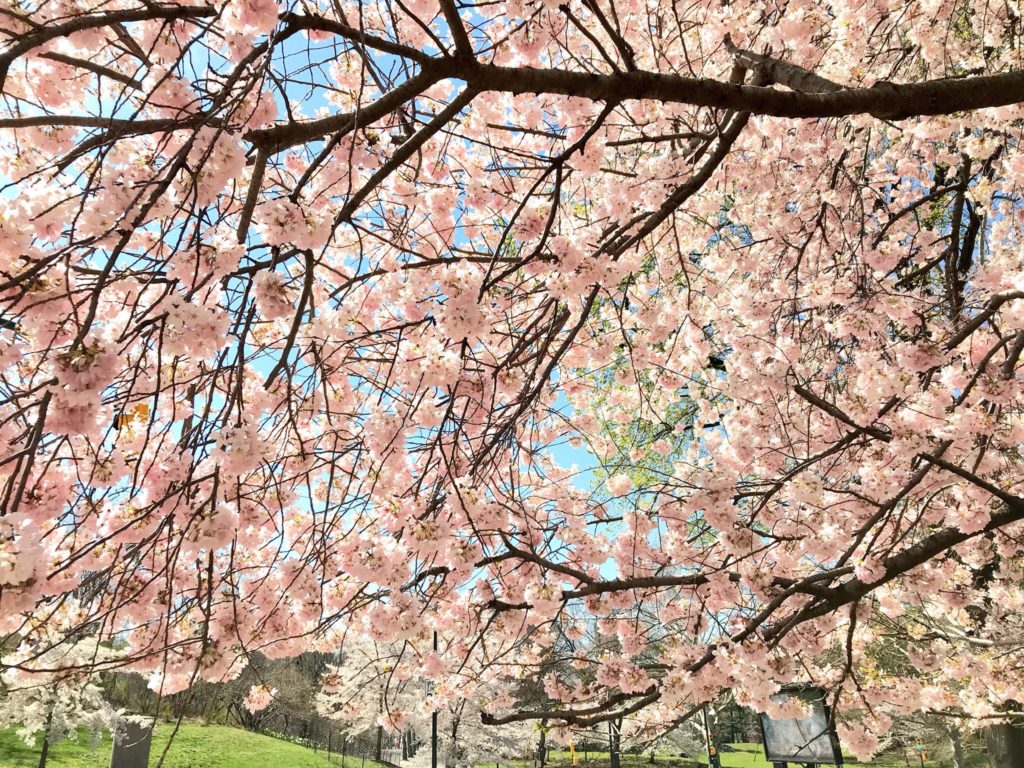
Cascading blossoms

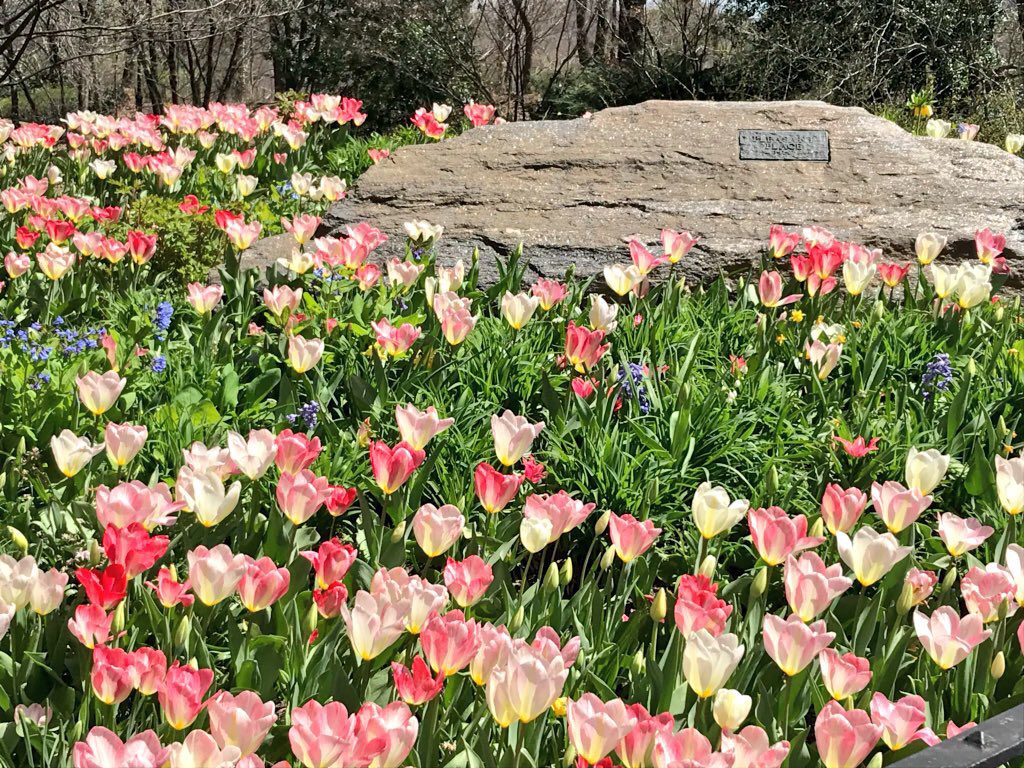
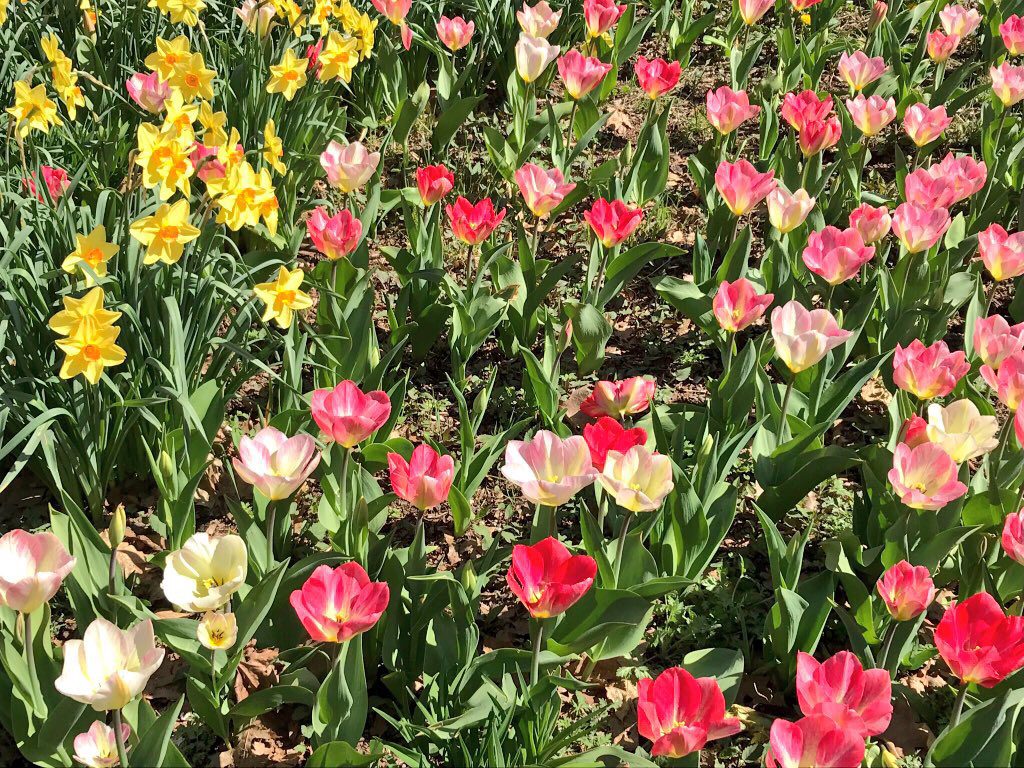
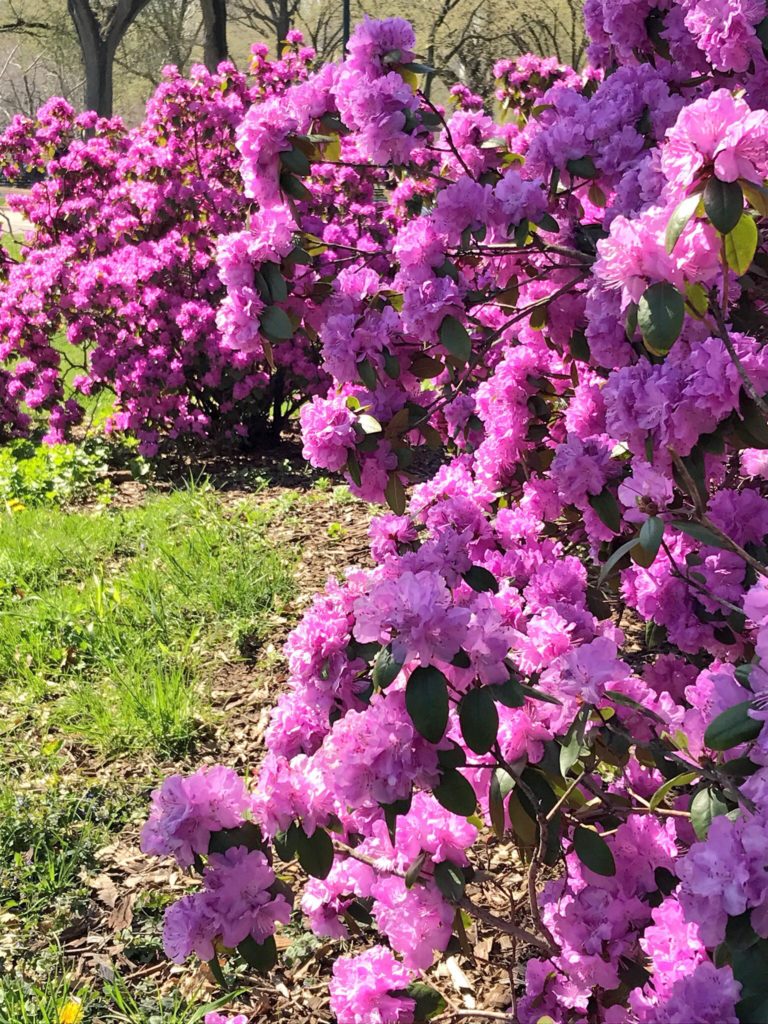
Vibrant spring colors

Every view is like a movie still (throwback to last spring)

(Sources: centralparknyc.org, olmsted.org, fredericklawolmsted.com, centralpark.com, nycgovparks.org, nytimes.com, smithsonian.com, branchbrookpark.org, tclf.org, ci.columbia.edu, biography.com, eyeofthedaygdc.com, nps.gov, neh.gov, metmuseum.org, amnh.org, modernfarmer.com, aoc.gov)

“Central Park: A Template of Beauty” All Rights Reserved © 2018 Kathleen Helen Levey

Center Stage in Center City: The Philadelphia Flower Show

“Inventory: Rain & the River” by Stacy Levy part of The Delaware River Watershed exhibit funded by the William Penn Foundation

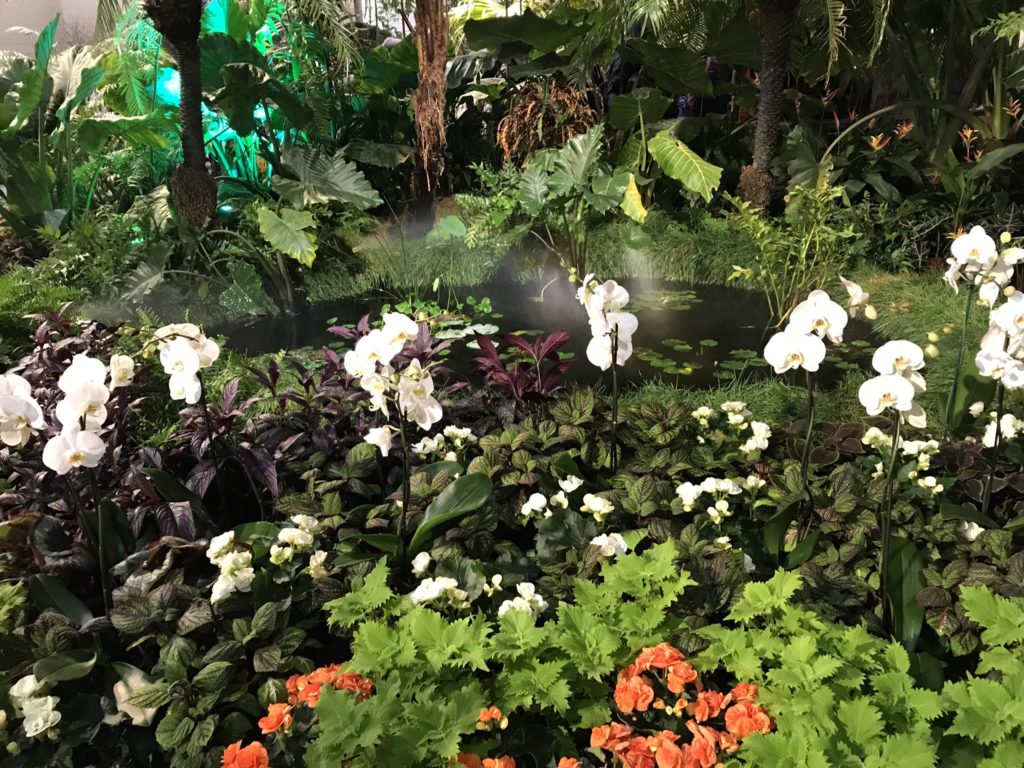
Misty rainforest and tropical orchids

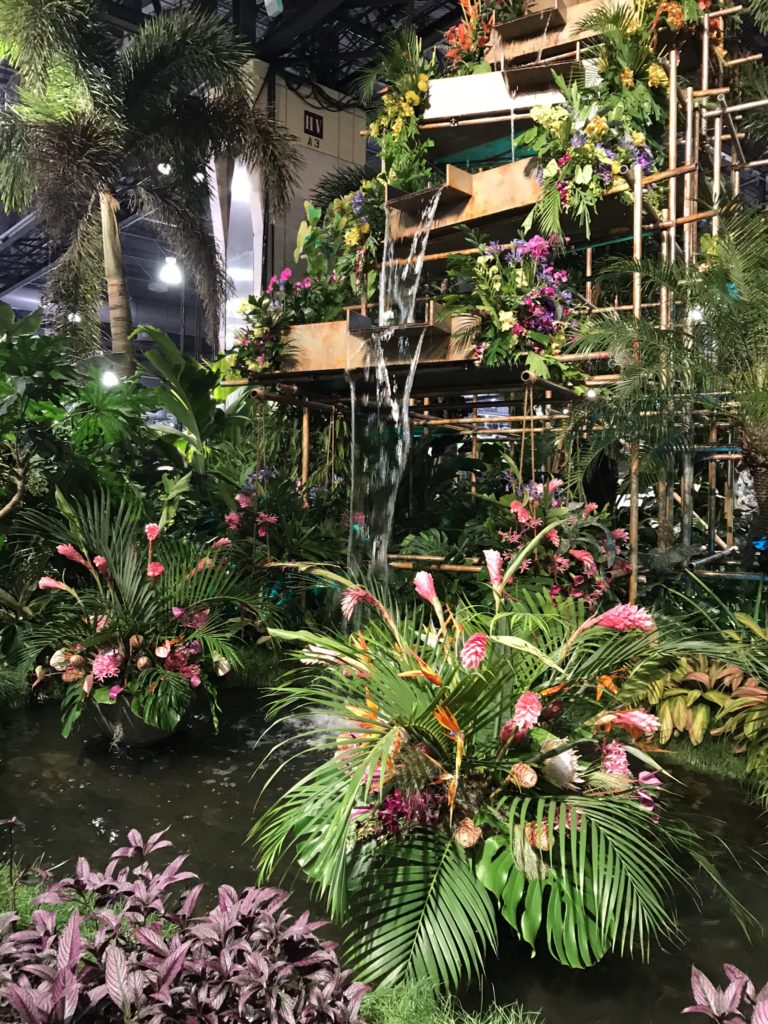
“Everyone loves flowers.”  Coming up from the subway at the Jefferson Station to the Philadelphia Convention Center, one encounters not only vendors but cordial wisdom in that warm, Philadelphia way.  Crossing the second threshold into the tropical rainforest of the 2018 Pennsylvania Horticultural Society Flower Show “Wonders of Water” with its 25-foot waterfall and abundant orchids, the exclamations of delight are universal. The exhibit explores the life-giving miracle of water from the tropics to traditional gardens to desert landscapes and ways in which we do, and can, value it.

Dramatic waterfall entrance to the tropical rainforest
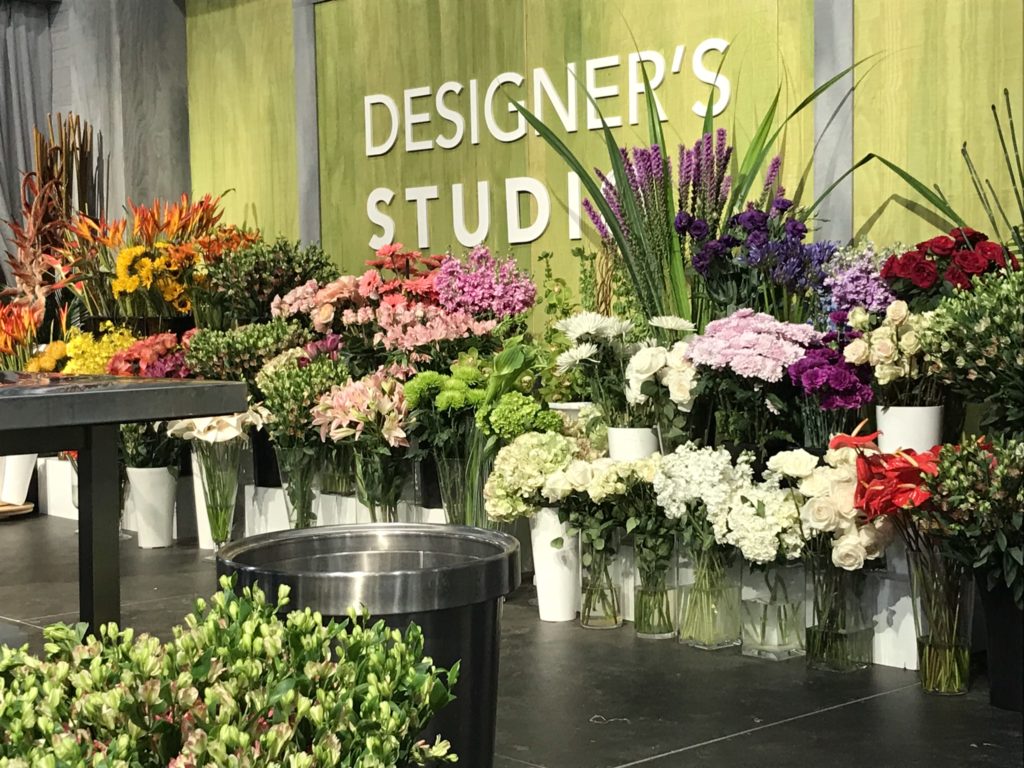
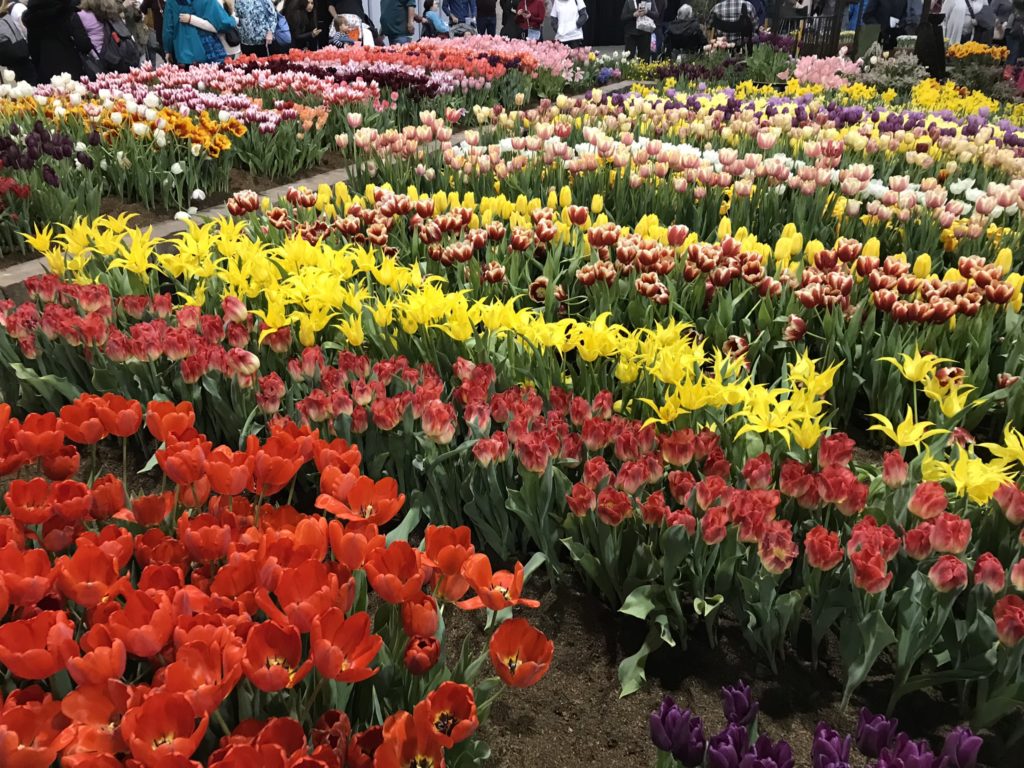
For dedicated gardeners and designers, there are the competitions, state-of-the-art of classes, and demonstrations throughout the day and an array of industry vendors.  For all, there is beauty, exhibition tours, fun shopping, the Garden Tea, Make and Take Crafts, the enticing travel hub, and a wonderful atmosphere. To date, New Jersey native Martha Stewart and Smokey Robinson have made appearances, the latter confirming the long-held belief that singing to plants make them thrive. Today and tomorrow Bravo TV Chef Fabio Viviani stops by. Events have a broad appeal: tonight is the innovative Yappy Hour from 6-9 and a not-to-be-missed Family Day on Sunday with crafts and photos stops.  The show helps support the community garden mission of the Pennsylvania Horticultural Society, which has gardens and sociable go-to’s throughout Philadelphia, along with its nearby Meadowbrook Farm anchor, all supporting “neighborhood greening”.

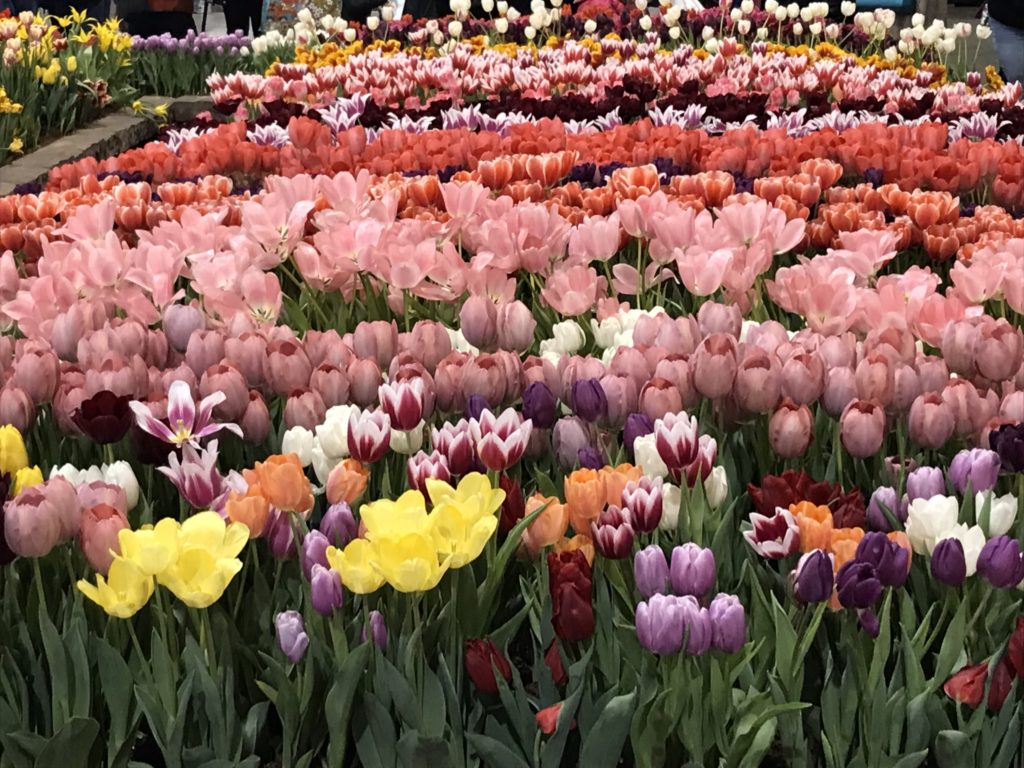
Crowd-pleasing tulips

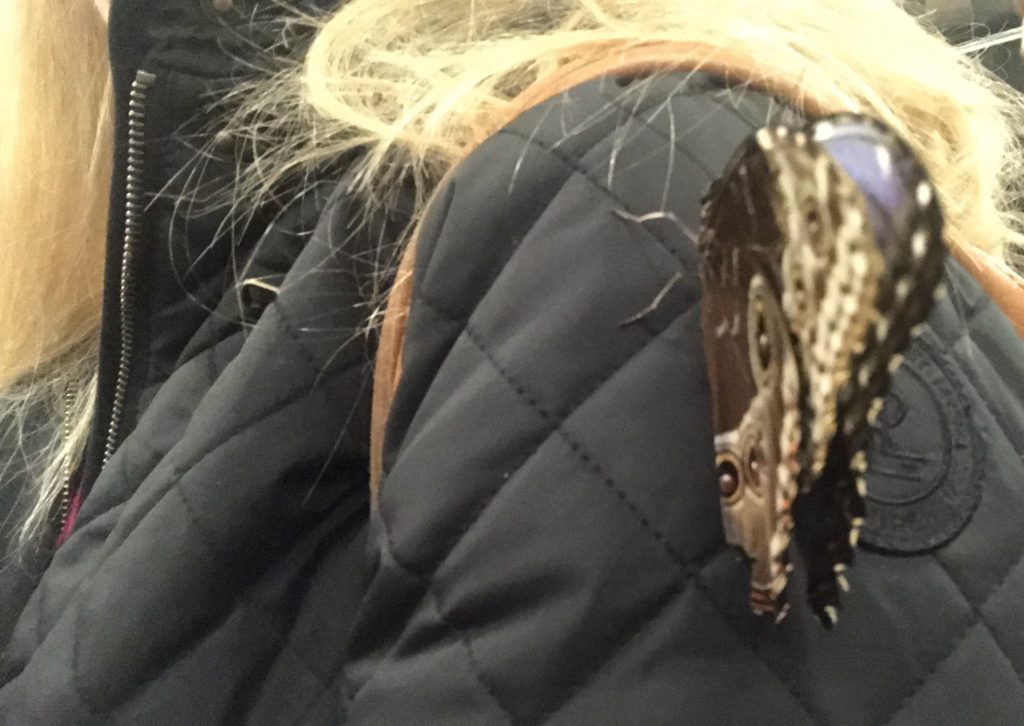
The “Butterflies Live!” exhibit in the adjacent Grand Hall Concourse is like a toasty warm, indoor camp out with friendly Monarchs flitting about in a netted area supervised with timed visits and worth the modest extra entrance fee. A fun tidbit from a staff member is that butterflies have taste buds underneath and should be attracted to the sugar-dipped Q-tips visitors have. Perhaps having had a sugar surfeit by afternoon, even more entertainingly, the Monarchs landed everywhere, on visitors’ hair, shoulders, and arms.  The sensation of their fluttering is like a flower petal in motion.

Angel on the shoulder

Outside the Convention Center is another world of delights, whether enjoying views of the Pennsylvania Academy of the Fine Arts jewel box museum and city hall or shopping on Market Street and sightseeing at the Liberty Bell.  This visit also brought singing sparrows at the center door, though when a friend saw their video, he kidded, “That’s nice, but the Philadelphia Eagles are the birds to watch.”

After enjoying the spring song, or snow song, as it turned out, it was impossible to resist the pleasure of walking around the city.  Flower show goodwill emanated from the Convention Center in the form of smiling visitors chatting with each other while carrying tissue-wrapped bouquets of colorful flowers and pussy willow branches.  Philly has the city hustle and bustle, but also an endearing charm in that it feels like a big town.  Twin Yorkies charming passers-by from an open car window, the local regulars bargaining alongside browsing tourists at Reading Terminal, people smiling on the street (’tis true)….  Warm exchanges with people confirm the appeal with each visit and bring back memories of living there.  With so much to see, hoping for a day and not a dash, this time by car, on the next trip in the spring that will come, much to the delight of everyone.

Never too many tulips

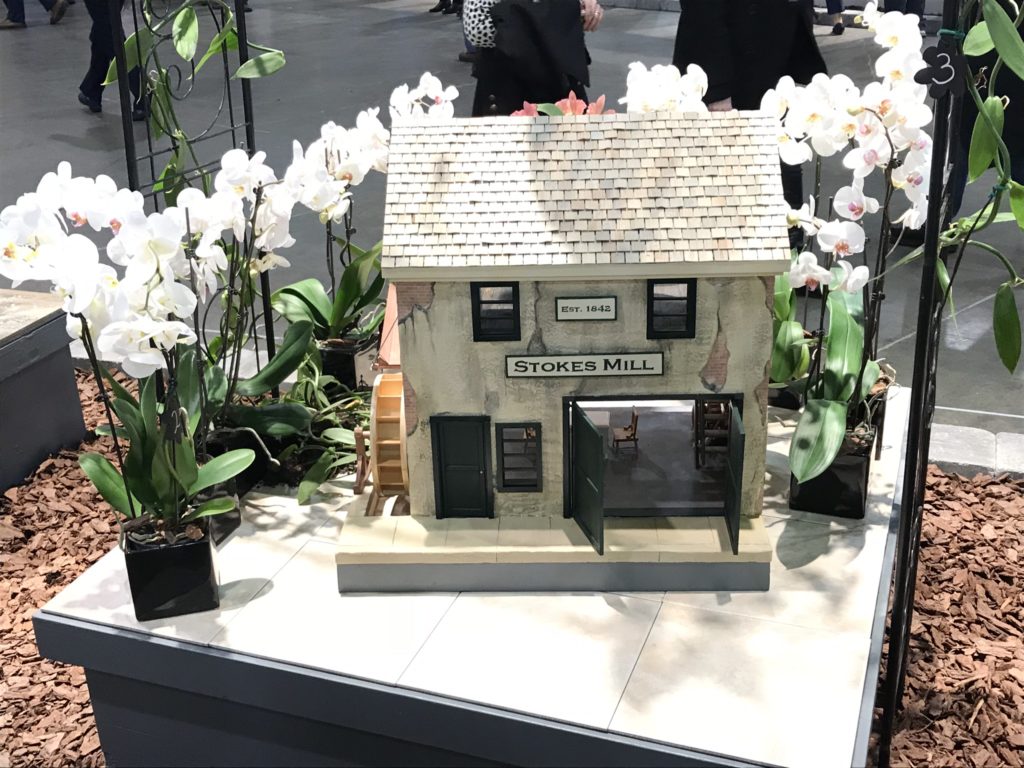
Bucks County prize-winning display with landmark Stokes Mill and orchids

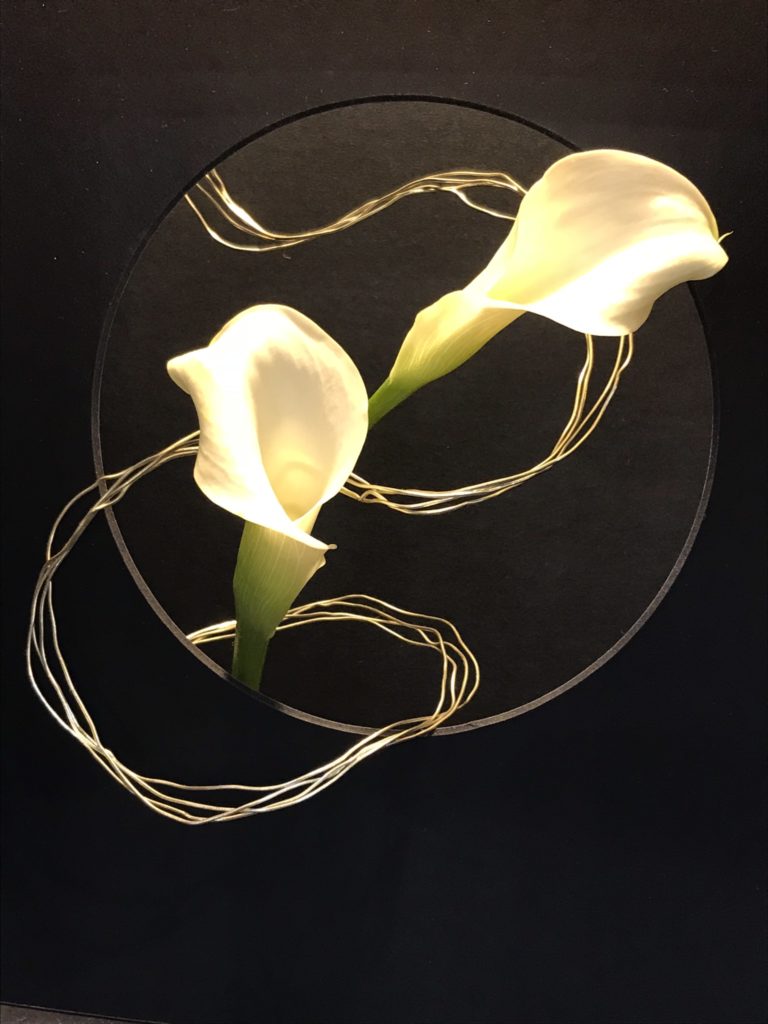
Prize-winning calla lilies in miniature

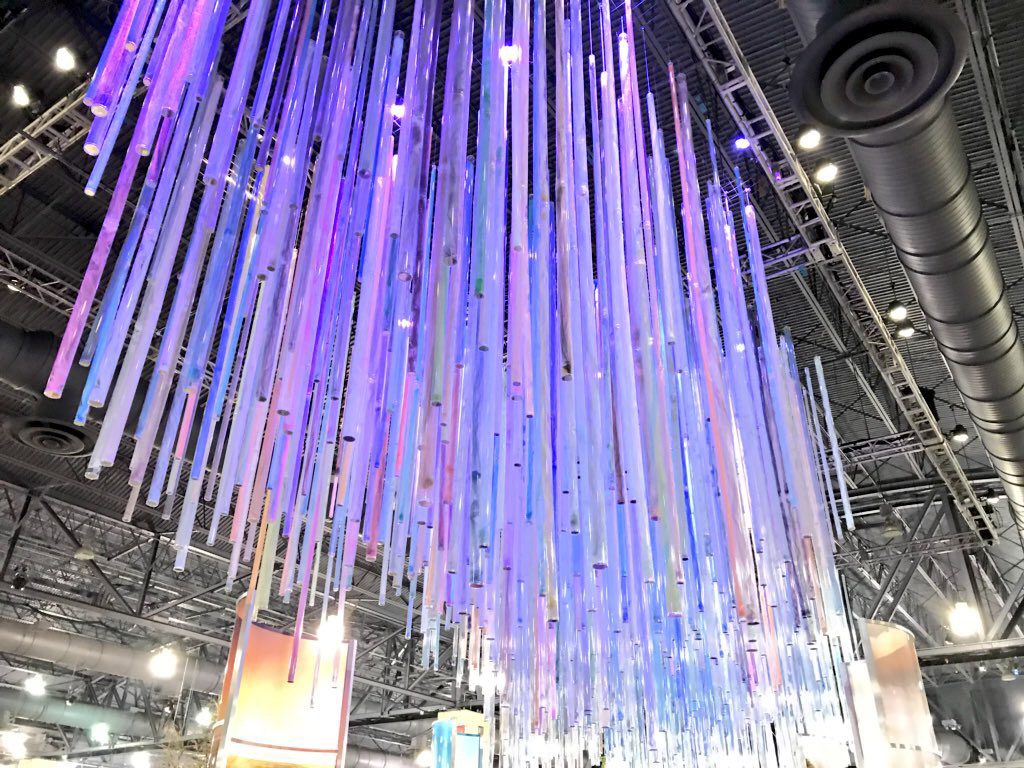
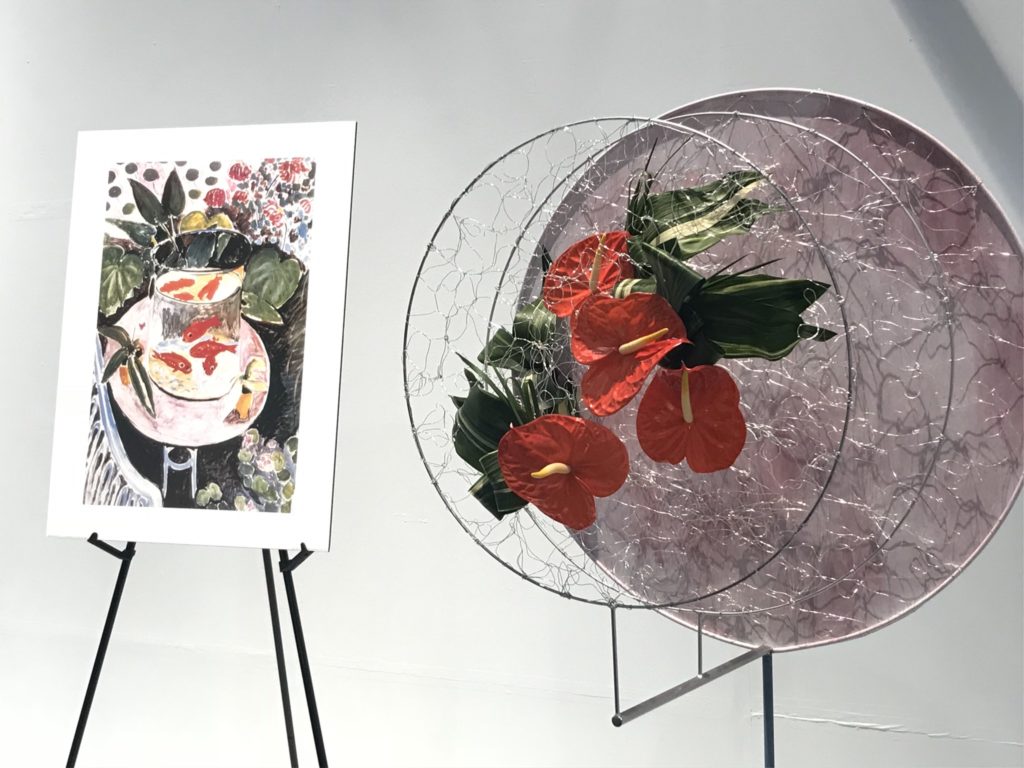
The arts, floral and painterly

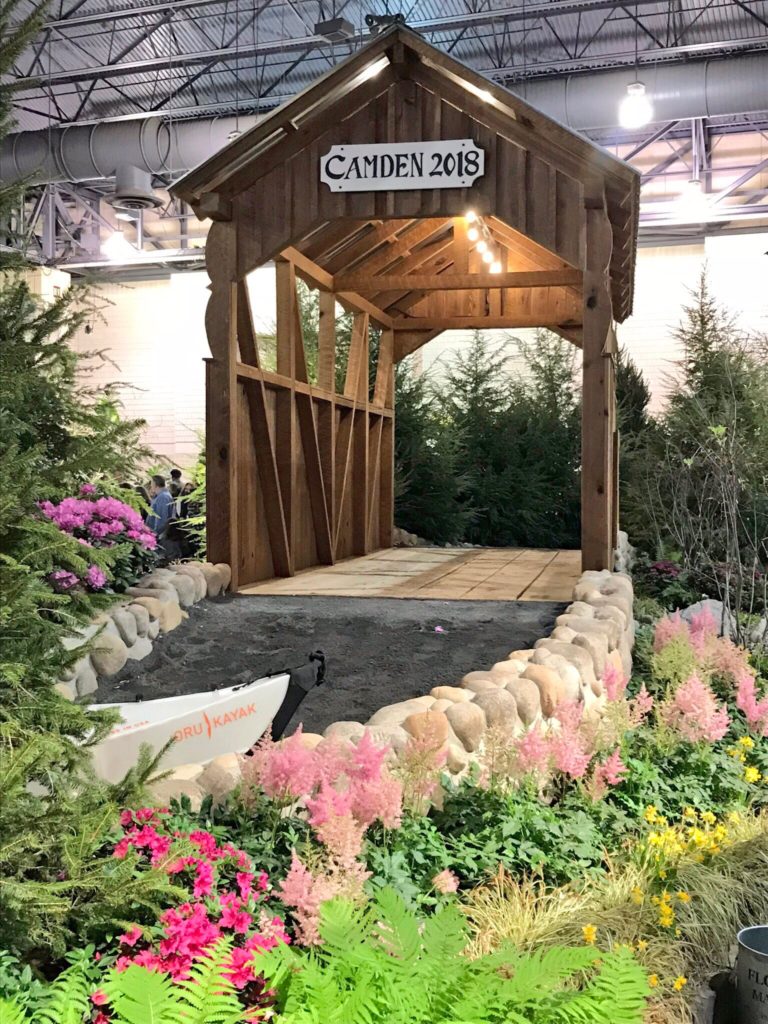
Sponsor Subaru exhibit representing Camden, New Jersey, location of their new HQ

For your indoor spring, you can find information on the “Wonders of Water” Flower Show that runs through Sunday on PHS Gardening’s show website: theflowershow.com. PHS Gardening membership includes flower show tickets reflective of the type of membership, which may be helpful to know when purchasing tickets.  For more on PHS Gardening and Meadowbrook Farm, open April through September in Jenkintown, visit PHSGardening.org and Meadowbrookfarm.org. For upcoming Pennsylvania Convention Center events, visit paconvention.com. Happy weekend. 🌺

“Center State in Center City: The Philadelphia Flower Show” © 2018 Kathleen Helen Levey. All Rights Reserved

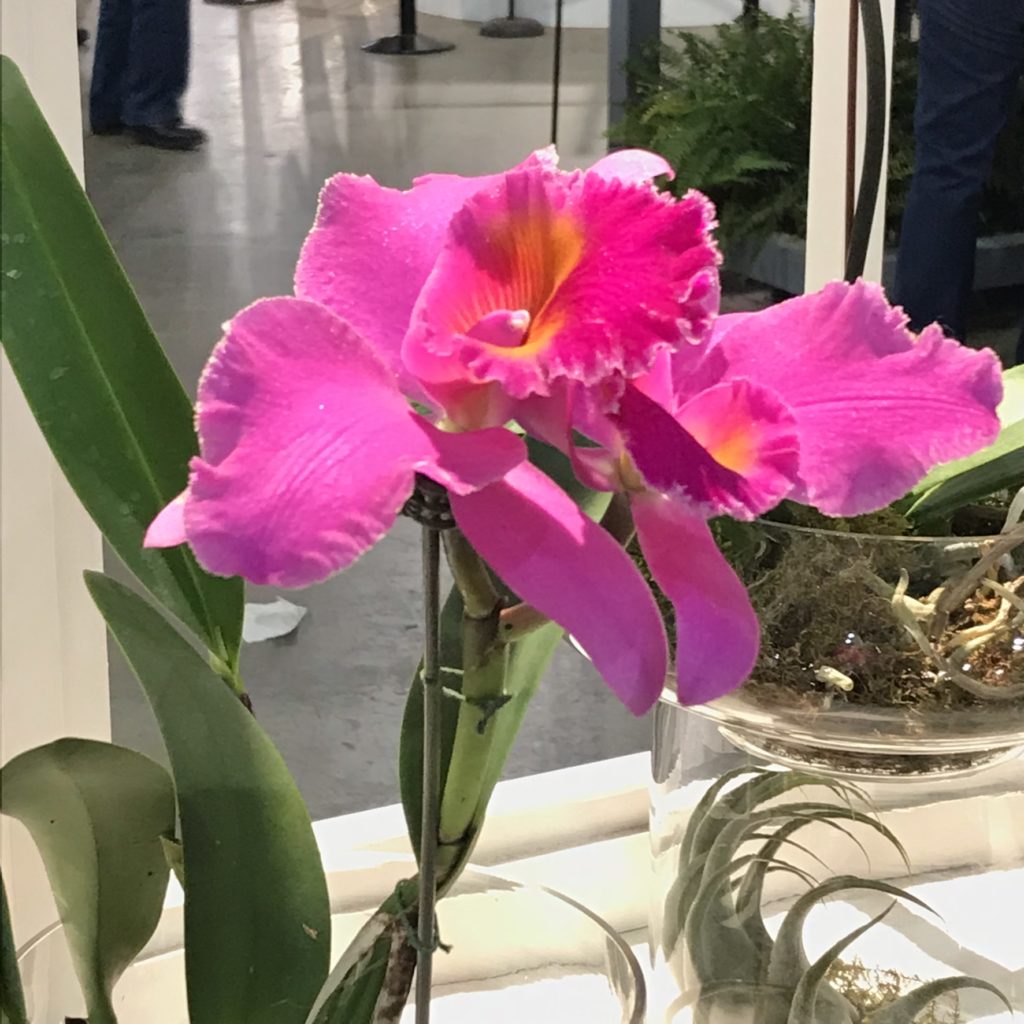
Splendid orchids everywhere

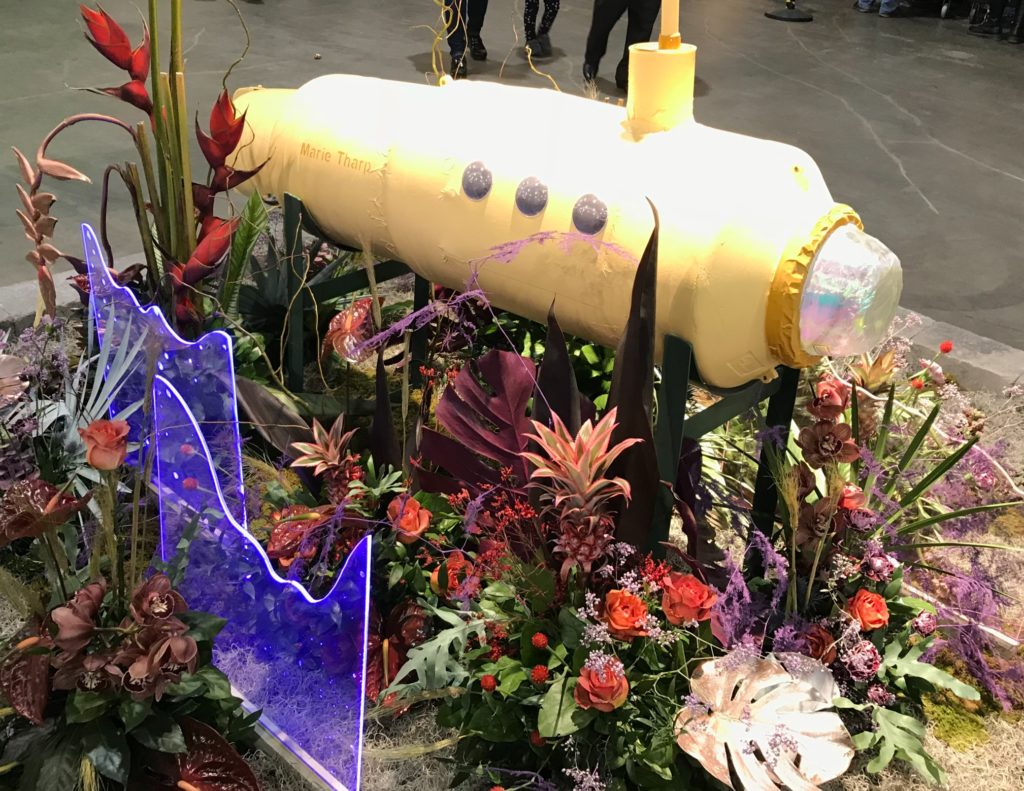
Charming exhibit prompted choruses of “Yellow Submarine” from passers-by

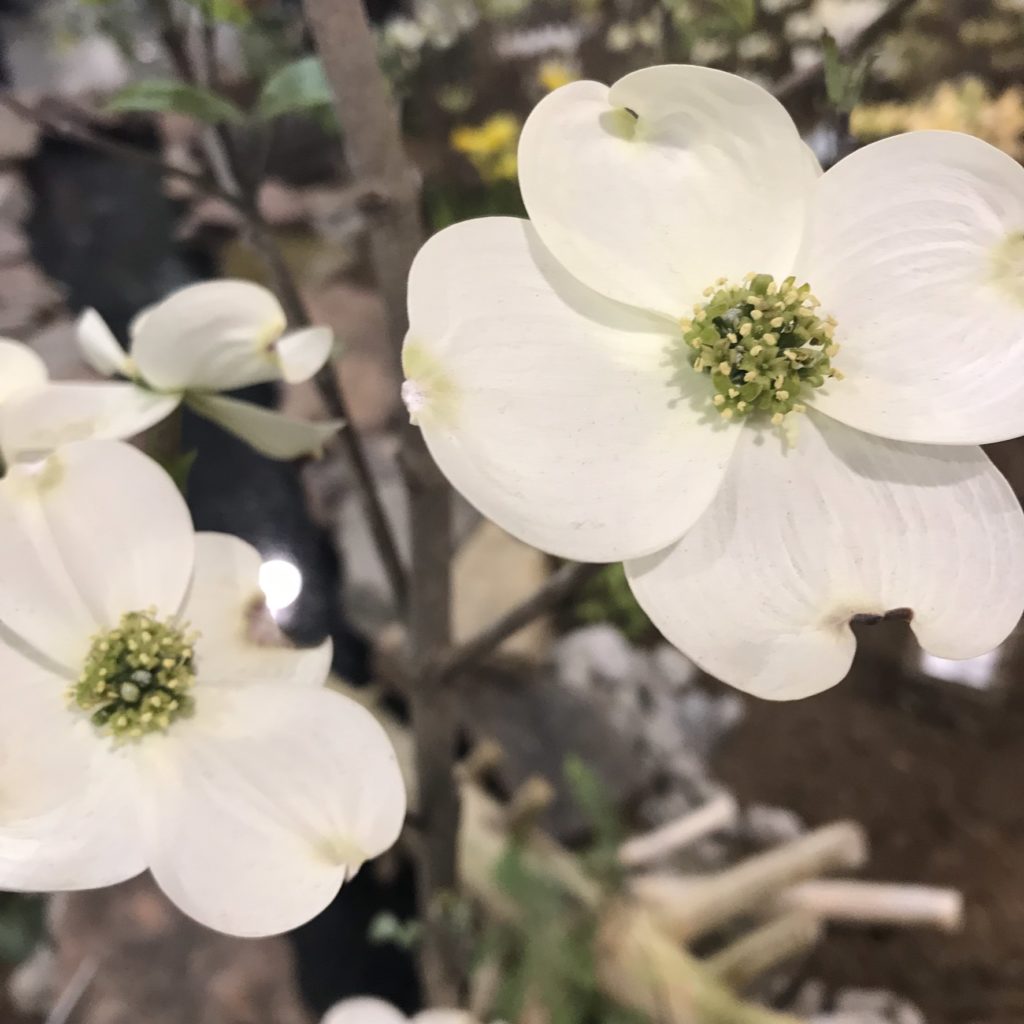
Dogwood blossoms bringing in spring


Page 2 of 2

Powered by WordPress & Theme by Anders Norén